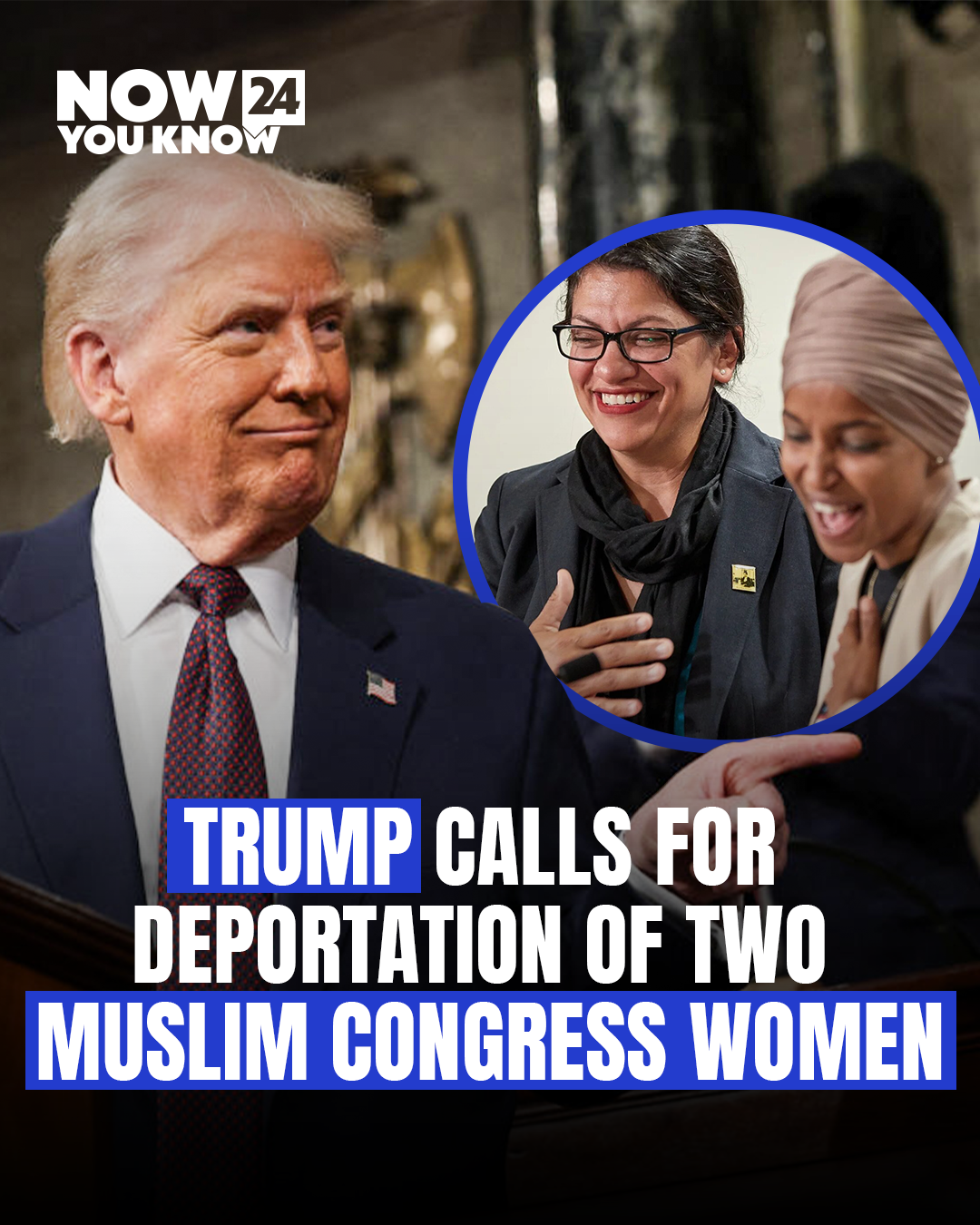

Former President Donald Trump has once again ignited controversy by publicly calling for the deportation of two Muslim congresswomen, echoing his previous divisive rhetoric. The remarks have drawn widespread condemnation from political leaders, civil rights groups, and members of the public.
Trump, speaking at a campaign rally, claimed that the congresswomen, who are U.S. citizens, are “not loyal to our country” and suggested that they should be removed from the United States. Critics immediately labeled the comments as xenophobic and Islamophobic, highlighting the ongoing tension in American politics over race, religion, and free speech.
The congresswomen, both of whom represent districts with significant Muslim populations, responded by reaffirming their commitment to serving their constituents and defending American values and democracy. “We were born here. We will continue to fight for our communities and our country,” one of them said.
Legal experts have noted that Trump’s statements have no legal basis, as the targeted congresswomen are natural-born U.S. citizens and cannot be deported under current law. Nonetheless, the remarks have fueled national debate on political rhetoric, religious tolerance, and the limits of public discourse.
Civil rights organizations condemned the statements, warning that such language increases polarization and could incite harassment or violence against minority groups. “Targeting elected officials based on their religion or ethnicity is dangerous and unacceptable,” said a spokesperson for one major advocacy group.
The incident has once again thrust Trump into the spotlight, reigniting conversations about political accountability, freedom of speech, and the role of public figures in shaping societal attitudes.