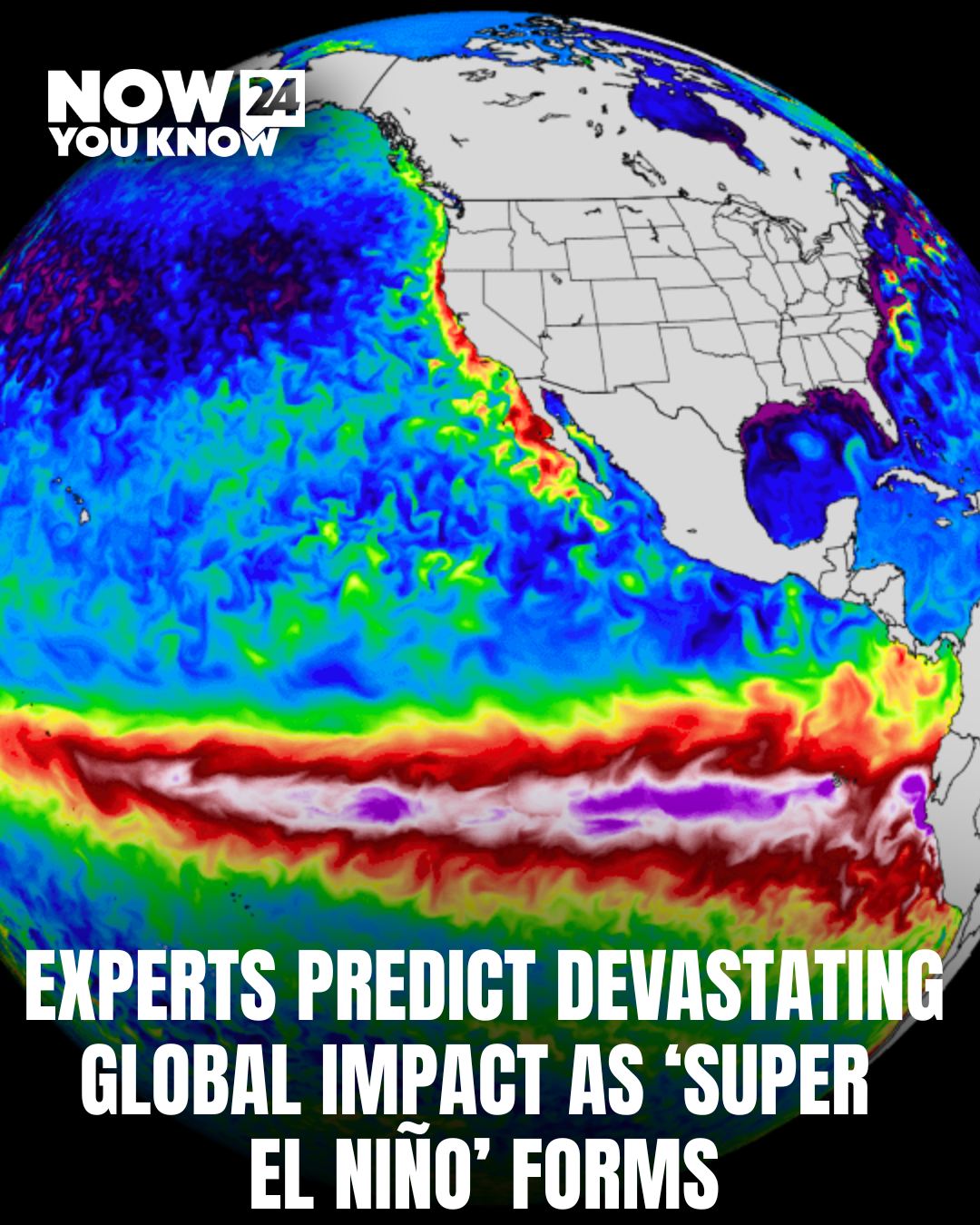

Climate scientists are warning that a powerful El Niño weather event developing in the Pacific Ocean could dramatically impact global temperatures and weather patterns over the next two years.
Forecasters say the developing system has the potential to become one of the strongest El Niño events seen this century, raising fears of severe heatwaves, droughts, flooding, and food supply disruptions worldwide.
What Is El Niño?
El Niño is a naturally occurring climate pattern caused by unusually warm ocean temperatures in the central and eastern Pacific Ocean.
The phenomenon affects weather systems around the globe and can influence rainfall, storms, temperatures, and agricultural conditions across multiple continents.
Scientists say parts of the Pacific Ocean are already measuring significantly warmer than average, signaling that the event may continue strengthening throughout the year.
Why Experts Are Concerned
Weather agencies including NOAA, the European climate centre, and Australia’s Bureau of Meteorology reportedly believe there is a strong chance the current El Niño could intensify into a major global event.
Researchers warn that especially strong El Niño periods are often linked to some of the hottest years ever recorded worldwide.
Some forecasts suggest the added warming effect could temporarily push global temperatures even higher than recent climate records.
Possible Global Consequences
Climate experts say powerful El Niño events can trigger a wide range of extreme weather conditions depending on the region.
Potential impacts include:
- Severe heatwaves
- Flooding and stronger storms
- Droughts and wildfires
- Crop failures and food shortages
- Coral bleaching and marine ecosystem damage
Scientists stress that not every country experiences the same effects, but large-scale disruptions are common during major El Niño years.
Connection to Climate Change
Researchers also note that El Niño is now occurring against a backdrop of long-term human-driven climate warming.
That combination could amplify temperature extremes and increase the likelihood of record-breaking global heat in the coming years.
Climate scientists say recent years have already approached key global warming thresholds compared to pre-industrial temperatures.
Experts Caution Against Panic
Although headlines have focused on the phrase “super El Niño,” some climate organizations avoid using the term officially.
Scientists emphasize that forecasts are still evolving, and the exact strength and timing of the event cannot yet be guaranteed with complete certainty.
However, experts agree the current conditions are being monitored very closely because of their potential worldwide impact.