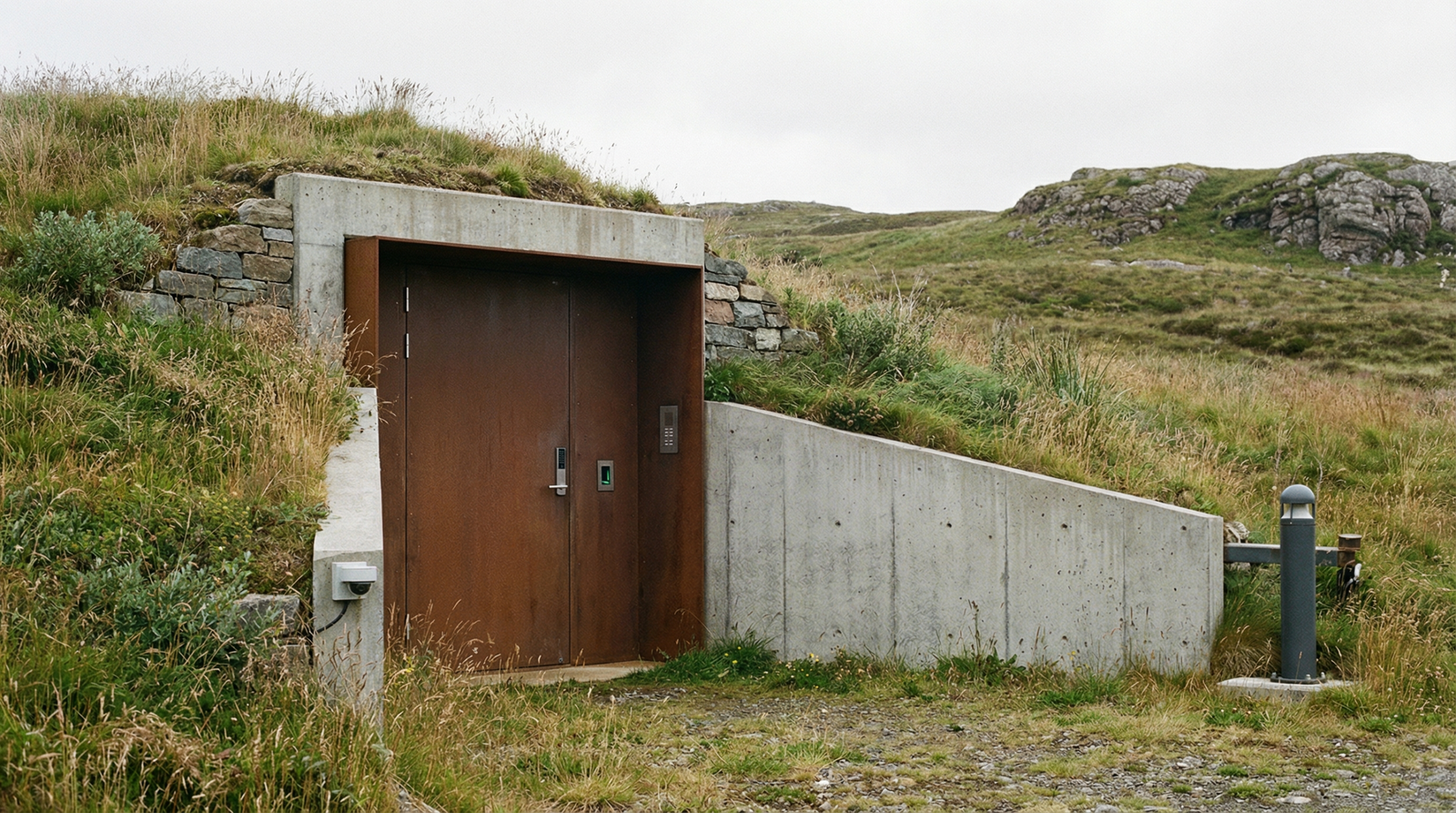

In recent years, some prominent technology figures have taken notable steps toward preparing for potential global crises, investing in luxury underground bunkers and survival supplies. These preparations often intensify in response to geopolitical conflicts.
Ron Hubbard, CEO of Atlas Survival Shelters, noted an increase in demand for bunkers during periods of international tension, including a notable rise following the U.S. and Israeli attacks on Iran in late February. He mentioned a marked uptick in inquiries from middle eastern clients, especially those in the United Arab Emirates, alongside moderate growth in sales among U.S. customers seeking family protection.
Similarly, Larry Hall, owner of Survival Condo, which specializes in luxury bunkers, reported a surge in interest correlating with geopolitical instability. Hall has developed bunker complexes featuring amenities such as swimming pools, shooting ranges, and bowling alleys, with sales ranging from $1 million to $2 million. He described these bunkers as evolving into a “status symbol of the elite,” with comforts including wine cellars and televisions, reflecting a shift in public perception since the pandemic.
High-profile tech personalities are believed to have engaged in these preparedness measures to varying degrees. Reid Hoffman, cofounder of LinkedIn, suggested in 2017 that over half of Silicon Valley’s billionaires possess some form of end-of-world shelter.
Mark Zuckerberg, CEO of Meta, has neither confirmed nor denied rumors of an extensive bunker at his Hawaii ranch. Planning documents indicate the presence of a substantial underground “storm shelter” and possible expansion of the property. Zuckerberg described the underground space as storage and a hurricane shelter, downplaying speculations about it being a doomsday bunker.
Sam Altman, CEO of OpenAI, denied having a bunker but confirmed possessing reinforced basements. He acknowledged concerns about global instability and indicated that while these structures offer some protection, they would not be sufficient in the event of a major artificial intelligence disaster. Altman also owns land in Big Sur, California, which he mentioned as a potential refuge.
Peter Thiel, cofounder of PayPal, attempted to build a large compound in New Zealand that some speculated was intended as a doomsday bunker, but plans were rejected by local authorities due to environmental concerns. Experts have highlighted the risks of building bunkers in geologically active regions such as California and New Zealand.
Other tech leaders have prepared through different means. Altman has acquired firearms, medical supplies, and protective gear. Steve Huffman, CEO of Reddit, has invested in guns, ammunition, motorcycles, and underwent laser eye surgery to enhance his survival prospects.
Palmer Luckey, founder of Oculus and Anduril, owns a collection of military-grade vehicles and underground missile silos where he stores an extensive video game collection. Neither Luckey nor Huffman provided comments on their preparations.
According to industry insiders like Hall, the association of bunkers with well-known tech figures has contributed to growing consumer interest, with many people intrigued by the preparedness strategies of the wealthy.
As geopolitical tensions fluctuate, this niche market of luxury survival preparations continues to attract attention among some of the world’s wealthiest individuals.