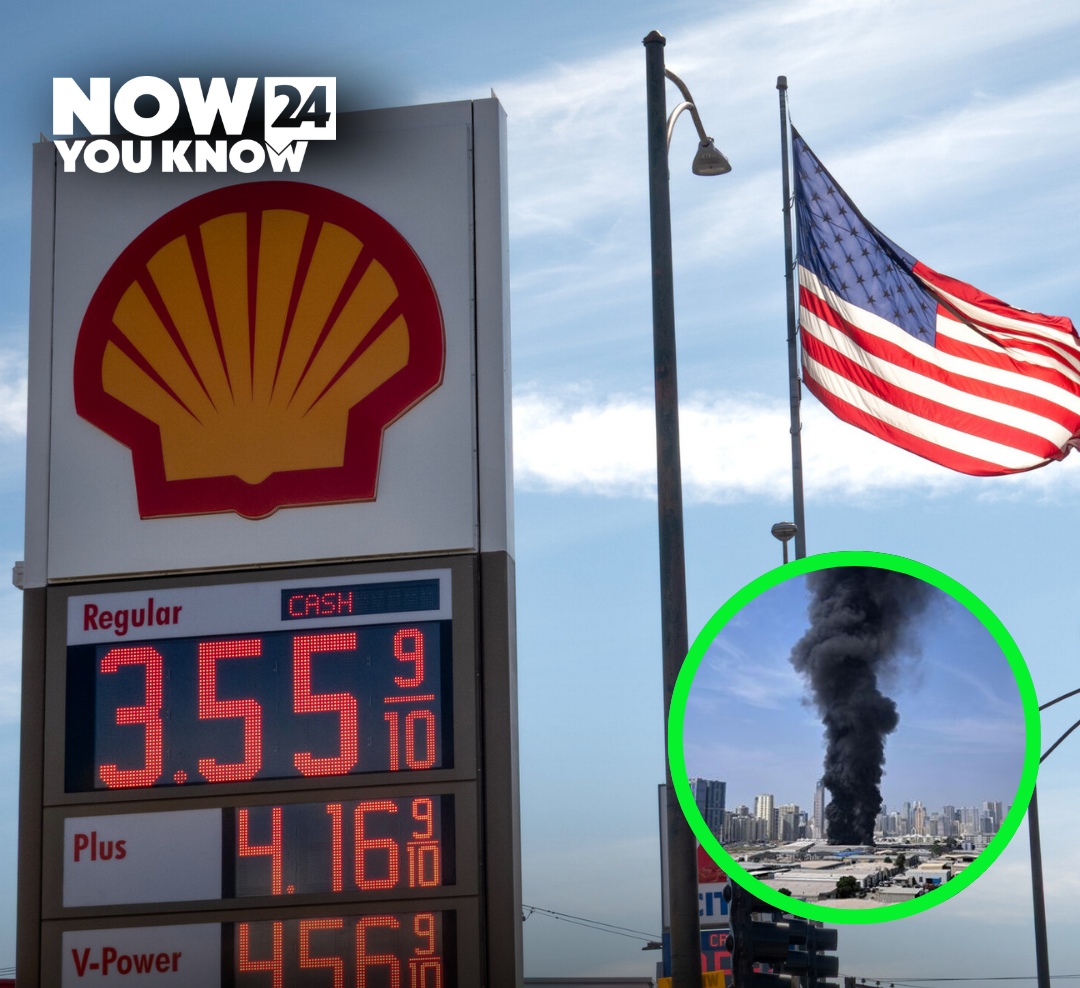

Growing tensions in the Middle East are beginning to raise concerns about global energy markets. Analysts warn that the situation could lead to higher fuel prices in the coming weeks if the conflict continues to escalate.
The region plays a crucial role in global oil production and shipping routes. Any disruption to these supply chains can quickly affect the price of crude oil around the world.
Recent military activity and security concerns near major shipping routes have already made energy traders nervous. When uncertainty increases, oil markets often react by pushing prices upward.
Experts say that even the threat of disruptions can cause fuel costs to climb. This is because companies and investors anticipate possible shortages or delays in supply.
If oil production or transport routes are affected, the impact could be felt at gas stations worldwide. Drivers may start seeing higher prices for gasoline and diesel.
Economists are watching the situation closely as governments and energy companies try to keep supply stable.
For now, the situation remains uncertain, but rising geopolitical tensions often bring pressure on fuel prices and global energy markets.