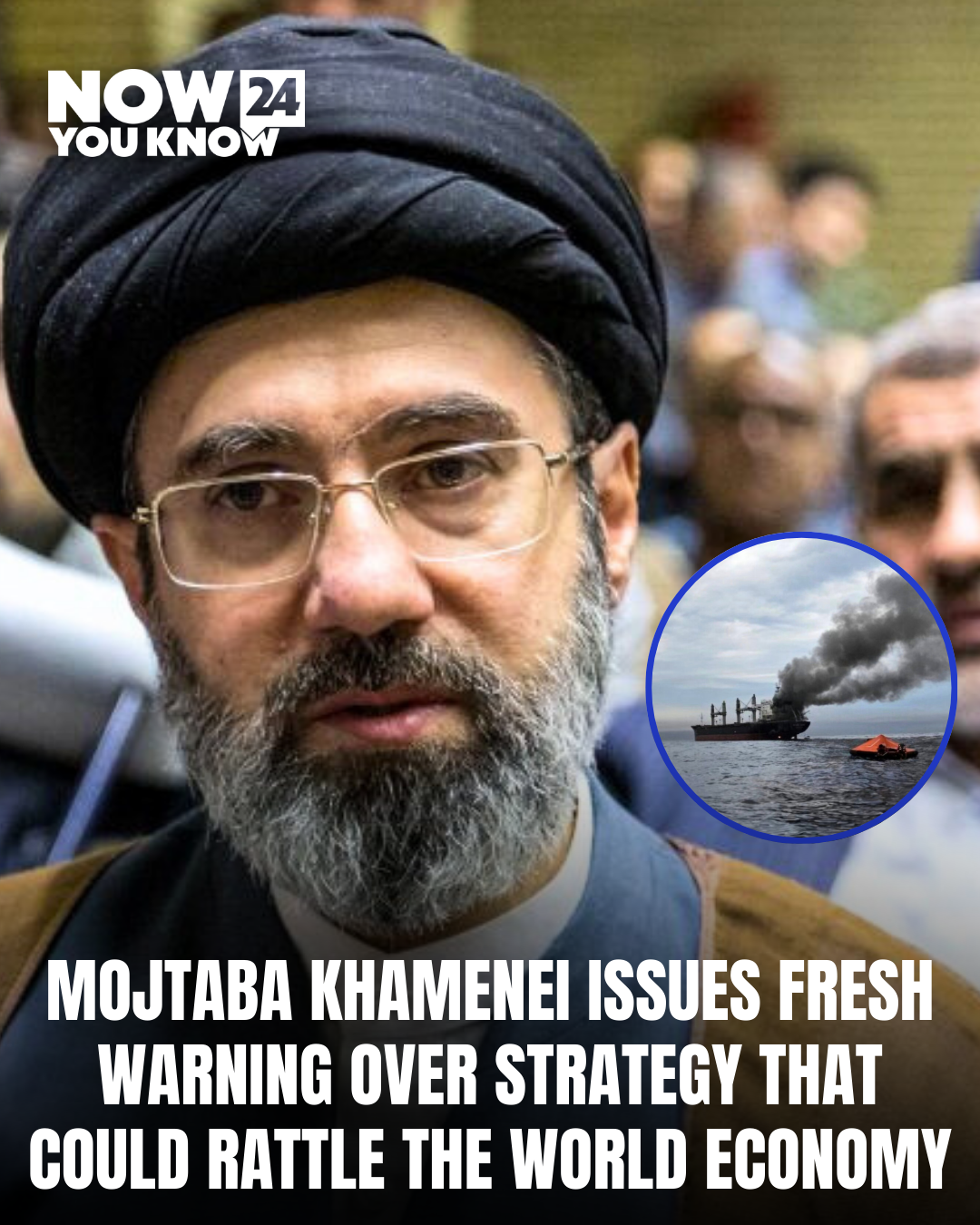

Iran’s newly appointed supreme leader, Mojtaba Khamenei, has delivered his first major wartime message, outlining a strategy that analysts say could have serious consequences for the global economy.
In the statement, Khamenei signaled that Iran intends to continue using pressure on the vital Strait of Hormuz, one of the world’s most important oil shipping routes. The narrow waterway carries roughly 20% of global oil supplies, making any disruption there a major concern for international energy markets.
The new leader suggested that keeping pressure on the shipping route could remain part of Iran’s strategy during the ongoing conflict involving the United States and Israel. Energy analysts say even the threat of disruption can push oil prices higher and create volatility in financial markets.
Khamenei also warned that U.S. military bases in the region could face attacks if tensions continue to escalate, while calling on neighboring countries to reconsider hosting American forces.
His comments come shortly after he was appointed to replace his father, Ali Khamenei, following a deadly strike early in the conflict that dramatically reshaped Iran’s leadership structure.
Markets reacted quickly to the escalating rhetoric. Oil prices surged above $100 per barrel, while stock markets in several regions saw sharp declines as investors worried about energy shortages and supply disruptions.
Economists warn that prolonged instability in the region could ripple through the global economy, affecting everything from fuel prices to transportation and food costs.
For now, governments and energy companies worldwide are closely monitoring the situation, as developments around the Strait of Hormuz could determine how severely global markets are impacted.