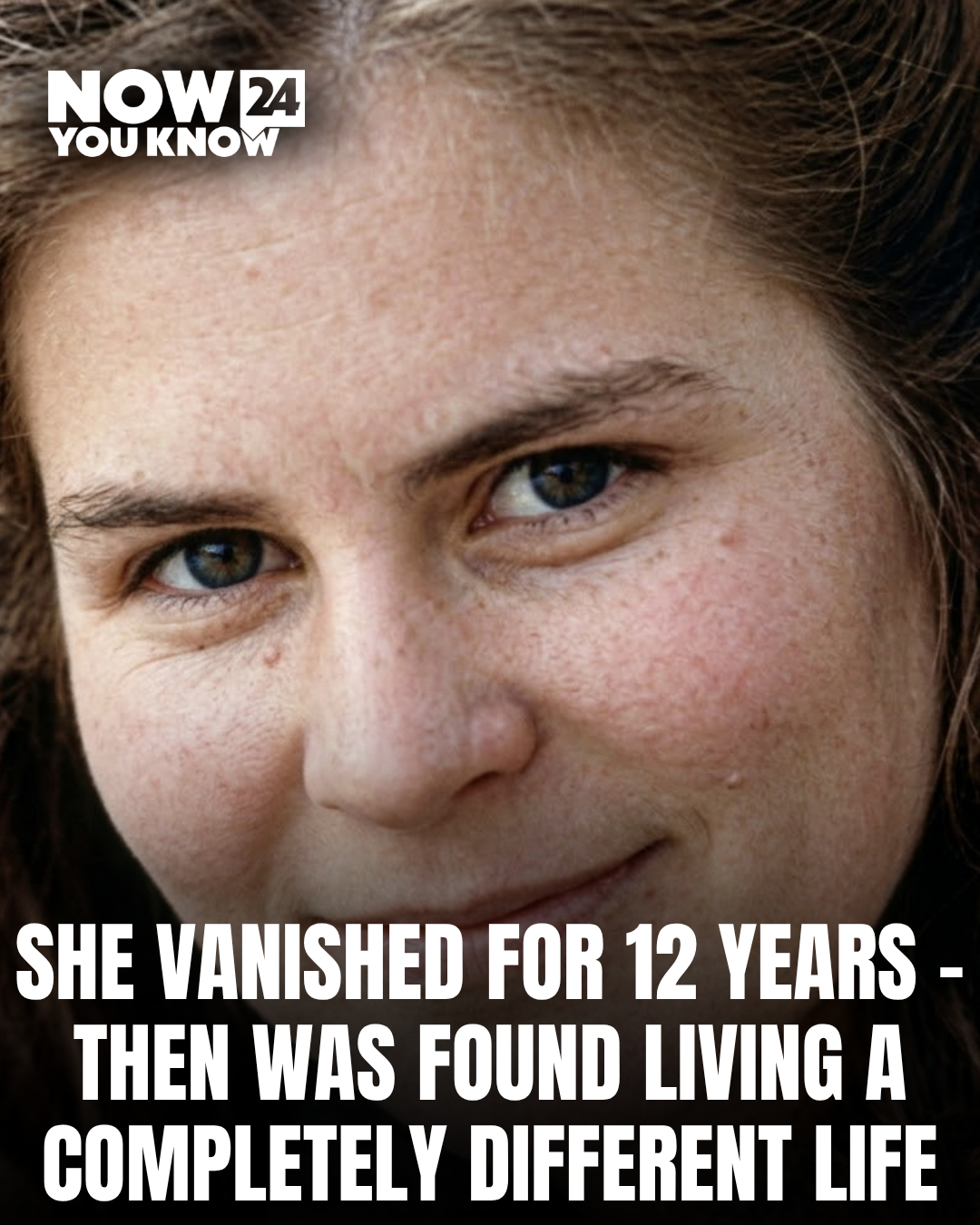

In 1985, a young journalist named Jody Roberts disappeared without a trace after failing to show up for a work assignment.
Her car was found abandoned, and for years, her case remained a mystery — even raising fears that she may have been the victim of a crime.
Then, 12 years later, everything changed.
In 1997, Roberts was found alive in Alaska, living under a different name and with a completely new life.
She had a husband, children — including two sets of twins — and had built a routine that appeared entirely separate from her past.
But what made the case even more unusual was what she told investigators next.
Roberts claimed she had no memory of her previous life, including her family, career, or even basic personal details.
According to reports, she believed she had simply “come to” in a shopping mall years earlier, with no clear sense of who she was or how she got there.
Some experts suggested the possibility of a rare condition known as dissociative fugue — a disorder where a person can lose their identity and begin a new life elsewhere.
However, others questioned whether such long-term memory loss could occur without additional symptoms, leaving parts of the case open to debate.
Decades later, it remains one of the most unusual real-life disappearance stories — raising questions about memory, identity, and how much of ourselves the mind can truly erase.