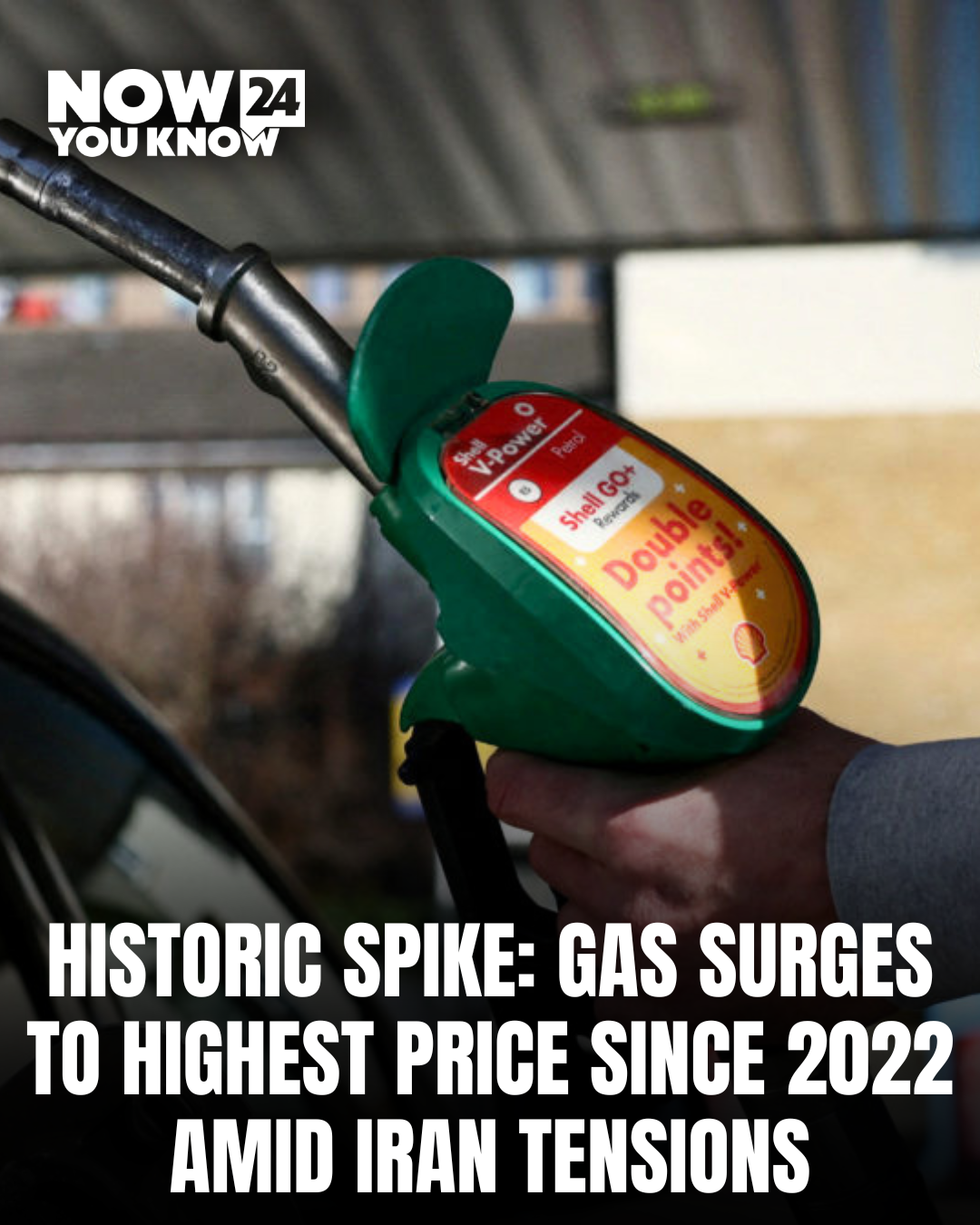

Gas prices across the United States have surged past $4 per gallon, reaching their highest level in years. The spike comes as the ongoing conflict involving Iran continues to disrupt global oil supplies.
The increase began shortly after the war started in late February, with prices rising more than 30% in just a few weeks. Analysts say the situation has quickly affected fuel costs nationwide.
One of the main reasons behind the surge is disruption in the Strait of Hormuz, a key route for global oil shipments. Reduced tanker movement and supply concerns have pushed crude oil prices higher.
As oil prices rise, gas prices follow. Experts say crude oil is the biggest factor in determining what drivers pay at the pump.
The impact is already being felt by households and businesses. Higher fuel costs are expected to increase prices for transportation, groceries, and other everyday goods.
Diesel prices have also climbed significantly, adding pressure on industries that rely on shipping and logistics.
Officials have taken steps to ease the situation, including releasing emergency oil reserves and adjusting shipping rules. However, experts warn that prices could remain high if the conflict continues.
Even though the U.S. produces a large amount of oil, it is still affected by global market changes, meaning international events can quickly impact domestic fuel prices.