




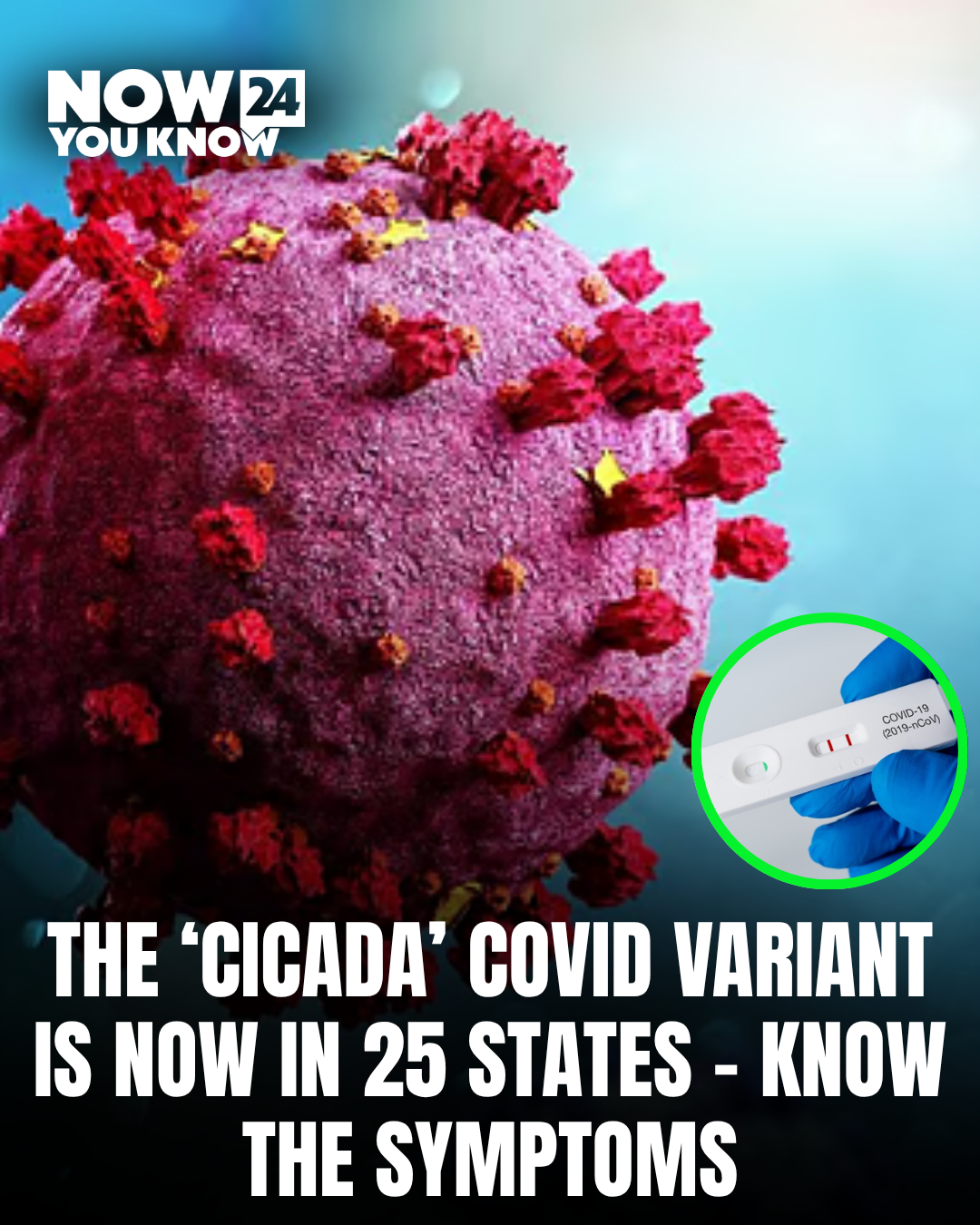

Health officials are monitoring a new COVID-19 variant known as the “Cicada” variant, which has been detected in multiple countries and several U.S. states. The variant is officially known as BA.3.2 and is part of the Omicron family.
The nickname “Cicada” comes from the insect known for emerging after long periods underground, as this variant appeared, disappeared, and then resurfaced again later.
Symptoms of the Cicada Variant
Experts say the symptoms are mostly similar to previous COVID variants, but some symptoms appear more commonly with this strain.
Common symptoms include:
Sore throat
Runny nose or congestion
Cough
Fever
Fatigue
Headache
Muscle aches
Shortness of breath
Brain fog
Nausea or reduced appetite
Some doctors say a very sore throat appears to be one of the more noticeable symptoms reported with this variant.
Loss of taste or smell is now less common than earlier COVID variants but can still happen.
Is the Cicada Variant More Dangerous?
Health experts say there is currently no clear evidence that the Cicada variant causes more severe illness than previous variants. However, the variant has a large number of mutations, which may help it spread more easily or partially evade immunity from vaccines or prior infection.
The variant has been detected in more than 20 countries and in wastewater and clinical samples across the United States, which suggests it may continue spreading.
Experts say vaccines and antiviral treatments are still expected to help protect against severe illness.
For now, health officials recommend the same precautions as before: stay home if sick, wash hands, and consider masks in crowded indoor areas.