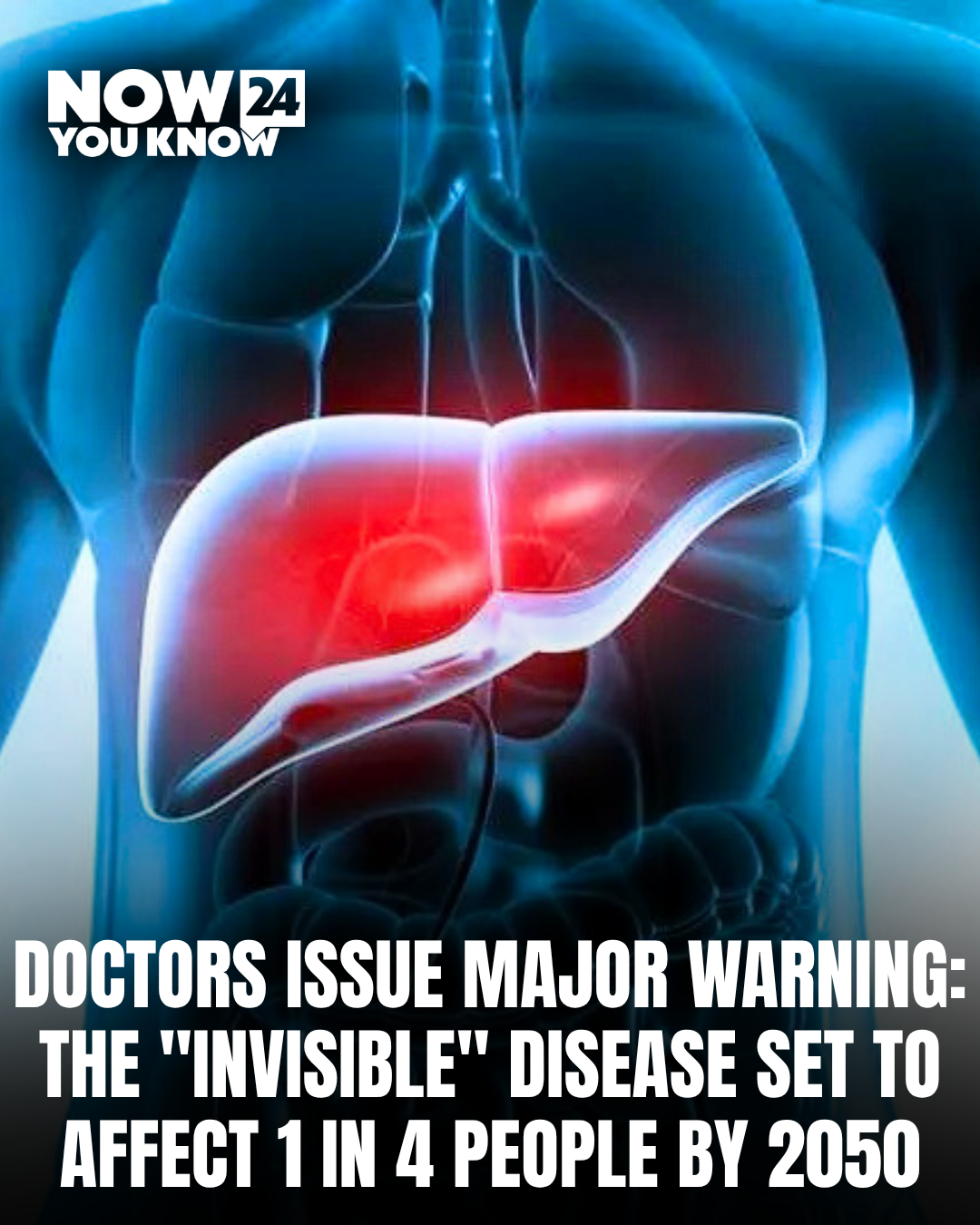

A new health report is highlighting a sharp rise in cases of metabolic dysfunction-associated steatotic liver disease (MASLD), a condition that affects people regardless of alcohol consumption.
Formerly known as non-alcoholic fatty liver disease (NAFLD), MASLD is now one of the fastest-growing liver conditions globally, with experts warning that it could affect nearly 1.8 billion people by 2050 if current trends continue.
A “Silent” Condition Affecting Millions
Health researchers estimate that around 1 in 6 people worldwide already live with MASLD, many without knowing it. The condition often develops quietly, showing little to no symptoms in its early stages, which makes it difficult to detect without medical testing.
It is now strongly linked to obesity, type 2 diabetes, high blood sugar, and sedentary lifestyles, rather than alcohol intake.
Why Doctors Are Concerned
Experts warn that the rapid increase in MASLD cases mirrors global rises in obesity and metabolic disease.
Although many people assume liver disease is mainly caused by alcohol, research shows MASLD can develop in people who rarely or never drink. This shift has led to growing concern among health professionals about undiagnosed cases.
The condition can progress over time from simple fat buildup in the liver to inflammation, scarring, and in severe cases, cirrhosis or liver cancer.
Symptoms Often Go Unnoticed
Most people with MASLD do not experience symptoms in the early stages. When signs do appear, they may include:
- Fatigue
- General feeling of being unwell
- Discomfort in the upper right side of the abdomen
Because these symptoms are vague, many cases are only discovered during routine blood tests or scans for unrelated conditions.
Who Is Most at Risk
Doctors say risk increases significantly for people with:
- Obesity or being overweight
- Type 2 diabetes
- High blood pressure or cholesterol
- Poor diet and low physical activity levels
However, studies show that even people without obvious risk factors can still develop the condition.
A Growing Global Health Challenge
Recent studies suggest MASLD is becoming one of the most common chronic liver diseases worldwide, particularly in developed countries.
In the UK alone, millions are estimated to be affected, with numbers expected to continue rising unless lifestyle and prevention strategies improve.
Despite its seriousness, experts stress that early-stage MASLD is often reversible with lifestyle changes, including improved diet, weight loss, and regular exercise.
Final Takeaway
While liver disease is still often associated with alcohol, MASLD is changing that perception. With rising global obesity rates, doctors are warning that non-drinkers are now increasingly at risk of liver disease once thought to be lifestyle-specific to alcohol use.
Awareness and early detection remain key in preventing long-term complications.