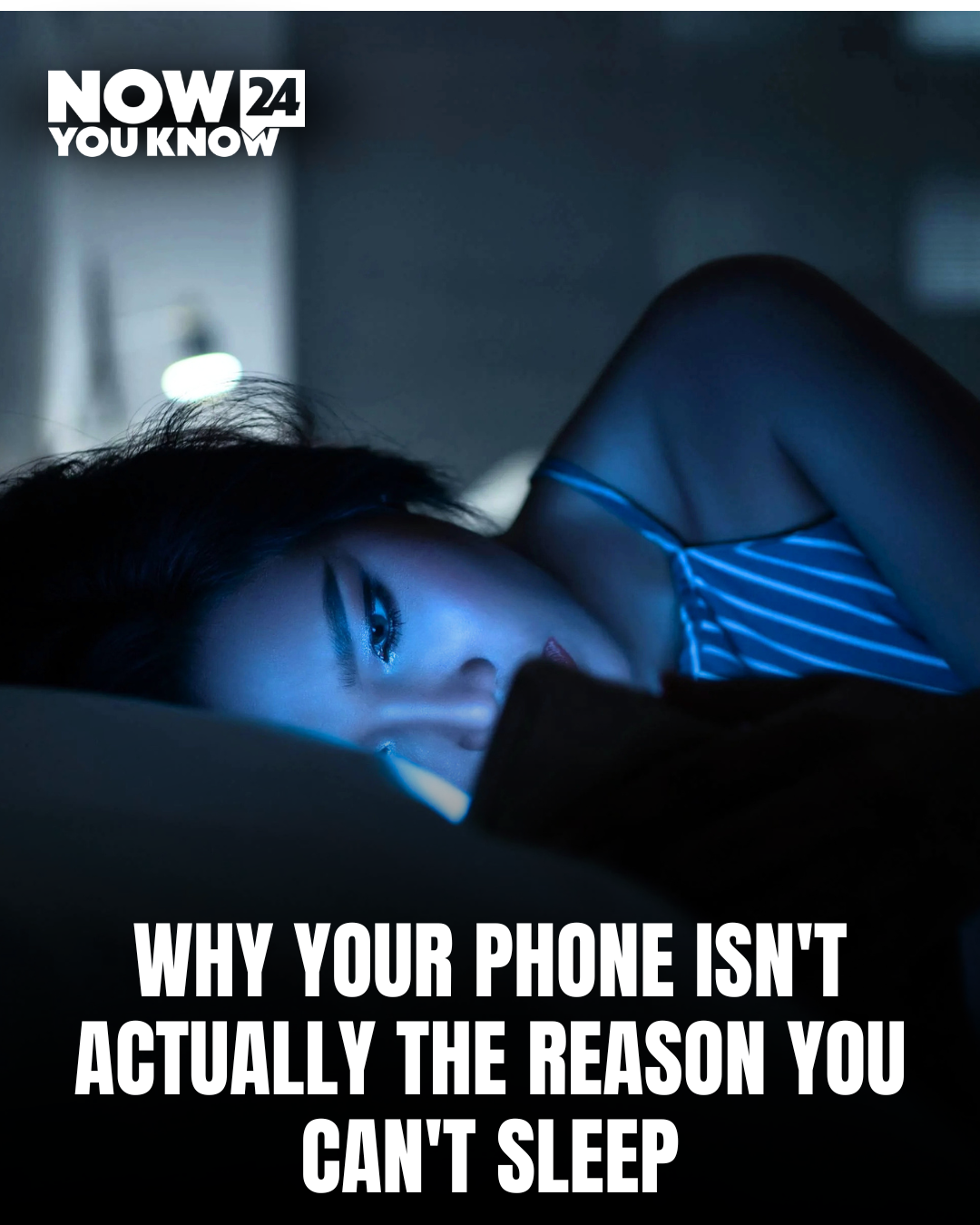

For years, many people have been told that the blue light from phones and screens is a major reason they struggle to fall asleep at night.
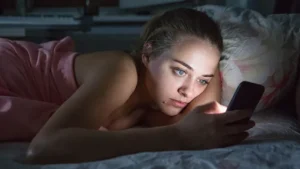
However, recent research and expert analysis suggest the issue may not be as simple as once believed.
The idea behind the concern is that blue light can interfere with melatonin production, the hormone that helps regulate sleep. In controlled lab settings, light exposure can indeed affect sleep timing.
But scientists now say the impact of phone screens in real-world conditions may be much smaller than expected.
Studies have shown that smartphone screens emit relatively low levels of blue light compared to natural daylight or even indoor lighting, making their biological effect less significant than originally thought.
Some reviews of multiple studies have even found no strong evidence that screen use before bed significantly delays sleep, with effects often measured in just a few minutes.
Instead, researchers increasingly point to another factor: how people use their phones at night, rather than the light itself.
Scrolling social media, reading stressful news, or staying mentally engaged can keep the brain active and delay relaxation, even if the light exposure is minimal.
Experts also highlight that late-night habits, stress, and routine disruption play a much bigger role in poor sleep quality than blue light alone.
This means that switching to “night mode” or using blue-light filters may have less impact than simply reducing stimulating phone activity before bed.
The overall takeaway from recent research is that sleep is influenced by a combination of light exposure, behaviour, and mental stimulation, rather than a single cause.