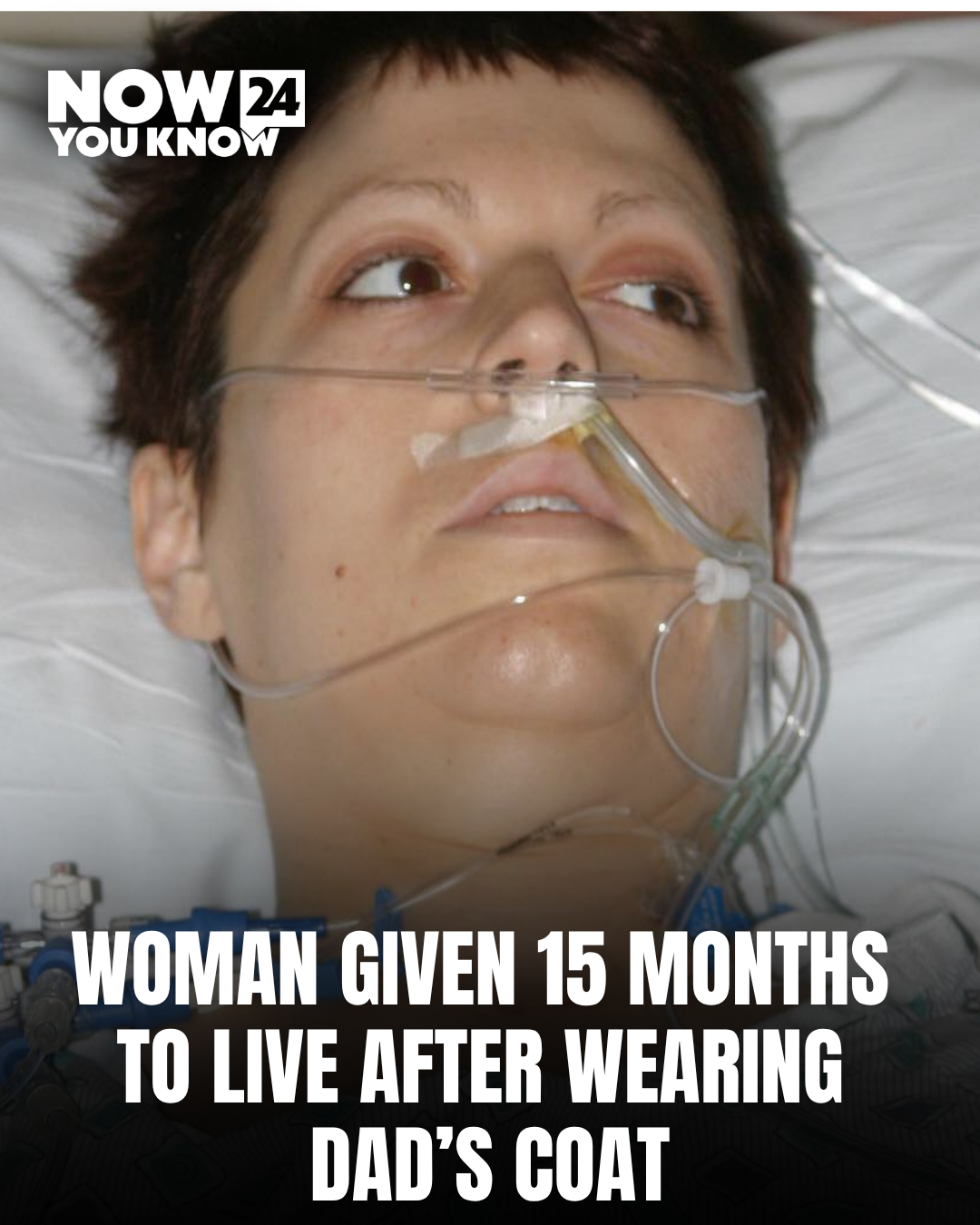

A woman has shared her shocking diagnosis of a rare and aggressive cancer after doctors believe she may have been exposed to asbestos as a child through something as simple as her father’s work clothing.
She was diagnosed with pleural mesothelioma, a rare cancer that affects the lining of the lungs and is most commonly linked to asbestos exposure, often occurring decades before symptoms appear.
According to medical experts, mesothelioma is strongly associated with inhaling asbestos fibres, which can become trapped in the lungs and slowly cause cellular damage over time. In some cases, even secondary exposure, such as dust carried home on clothing, has been linked to later illness.
In this case, the woman recalled regularly wearing her father’s jacket when she was young. Her father worked in environments where asbestos exposure was possible, meaning the fabric could have been contaminated with microscopic fibres without anyone knowing at the time.
Doctors later suggested this kind of indirect exposure is rare but scientifically documented, with research showing that family members of workers can sometimes be affected after repeated contact with contaminated work clothes.
Mesothelioma is known for its long latency period, often developing 20 to 50 years after exposure. Because early symptoms are vague, including breathlessness, chest pain, and fatigue, the disease is frequently diagnosed at an advanced stage.
Treatment options exist, including surgery, chemotherapy, and radiotherapy, but outcomes vary widely depending on how early the disease is detected. Overall survival rates remain low, making early detection extremely challenging.
Health experts continue to stress that asbestos, once widely used in construction and insulation, remains one of the most dangerous occupational hazards in history. While banned in many countries, including the UK in 1999, older buildings can still contain it.
The woman’s story has drawn attention to the hidden risks of secondary asbestos exposure, highlighting how something as ordinary as a parent’s work clothing may have long-term health consequences that only emerge decades later.