
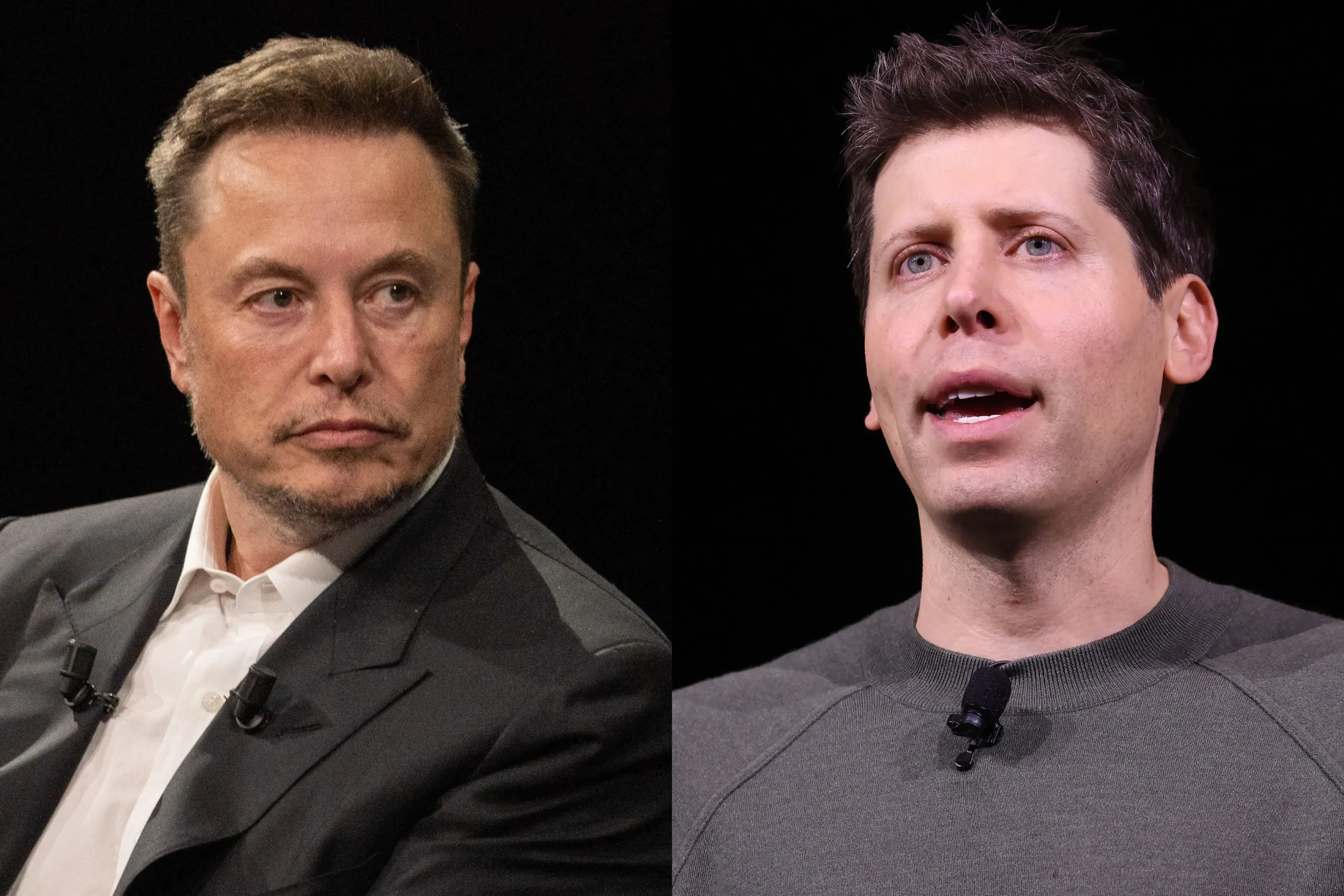

The artificial intelligence industry is bracing for a legal showdown that could fundamentally reshape one of its most prominent companies. Beginning April 27, tech moguls Elon Musk and Sam Altman will face off in an Oakland federal court, where a jury will determine whether OpenAI’s transformation from nonprofit to commercial enterprise involved deception and breach of trust.
At the center of this dispute is a $38 million donation Musk made to OpenAI, which he co-founded alongside Altman and Greg Brockman. Musk alleges that Altman and Brockman deceived him by promising the organization would remain a nonprofit dedicated to benefiting humanity, only to later pivot toward a for-profit structure after his departure from the board in 2018.
**The Evidence That Brought Them to Court**
The case has advanced to trial based on compelling evidence, including private diary entries from OpenAI president Greg Brockman. In these writings, Brockman acknowledged the difficulty of transitioning to a for-profit model, stating they “can’t see us turning this into a for-profit without a very nasty fight.” More damaging still, he wrote that Musk’s “story will correctly be that we weren’t honest with him in the end about still wanting to do the for profit just without him.”
Brockman’s entries also revealed moral qualms about the situation, describing it as potentially “morally bankrupt” to “steal” the company from Musk. These admissions have provided the foundation for Judge Yvonne Gonzalez Rogers to allow the case to proceed to trial.
**What Each Side Wants**
Musk’s demands are sweeping and would essentially dismantle OpenAI’s current structure. He seeks to force the company, now valued at over $800 billion, to revert to its original nonprofit status. Additionally, he wants billions in financial disgorgement returned to the nonprofit entity, the removal of both Altman and Brockman from their leadership positions, and the stripping of their equity stakes in the company.
For its part, OpenAI has mounted an aggressive counter-offensive, filing a counterclaim arguing that Musk’s lawsuit constitutes business interference designed to harm a competitor. The company points to Musk’s 2023 launch of xAI, his own artificial intelligence startup that directly competes with OpenAI for talent, funding, and customers.
**Microsoft’s Complicated Position**
Microsoft, which invested $1 billion in OpenAI in 2019 and has since deepened its partnership, finds itself in a precarious position. Musk claims the tech giant aided and abetted OpenAI’s alleged breach of charitable donation terms. A verdict forcing OpenAI back to nonprofit status could unravel the carefully structured commercial relationship between the two companies, which was most recently renegotiated in 2025.
**Timeline of Tensions**
The conflict between these former collaborators has been brewing for years. After Musk resigned from OpenAI’s board in 2018, the organization began its transition toward a hybrid structure that included for-profit elements. By 2023, Musk had established xAI as a direct competitor. Recently unsealed documents revealed that in 2025, Musk even approached Meta founder Mark Zuckerberg about joining a bid to acquire OpenAI’s assets.
The tensions escalated further this month when OpenAI asked attorneys general in California and Delaware to investigate what it calls “anti-competitive behavior” by Musk. The company has publicly characterized the lawsuit as “a harassment campaign that’s driven by ego, jealousy and a desire to slow down a competitor.”
**Potential Industry Impact**
The trial’s outcome could have far-reaching consequences for the artificial intelligence sector. If Musk prevails, OpenAI could face significant fundraising challenges just as it prepares for a potential initial public offering, which sources suggest could occur as soon as this year. The company’s ability to raise capital for training and launching more advanced large language models would be severely constrained under nonprofit status.
For Altman personally, the trial threatens to reignite questions about his leadership that first surfaced during his brief firing by the board in 2023. Musk’s legal team plans to call former board members who voted for Altman’s removal, including potentially Tasha McCauley, who cited concerns about a “toxic culture of lying.” This testimony comes at a sensitive time, following a recent New Yorker investigation that questioned whether Altman could be trusted.
**The Broader Stakes**
Beyond the immediate participants, this trial represents a critical moment for Silicon Valley’s approach to AI development and governance. The case highlights fundamental questions about how AI companies should be structured, funded, and governed to serve both innovation and public interest.
Musk’s position is complicated by his own commercial interests. His SpaceX rocket company, which acquired xAI in February, is preparing for a public offering. A courtroom victory against OpenAI would certainly strengthen xAI’s competitive position, while a loss could validate claims that he’s merely attempting to disrupt a rival and potentially expose him to damages for business interference.
As jury selection begins on April 27, the technology world will be watching closely. The verdict could determine not just the fate of OpenAI’s corporate structure, but also set precedents for how AI companies balance nonprofit missions with commercial imperatives in an industry where the stakes for humanity’s future have never been higher.