
Apple has announced a major leadership change with John Ternus, the company’s senior vice president of hardware engineering, set to become chief executive officer. The transition marks the end of an era defined by the company’s deep integration with China’s manufacturing capabilities and consumer markets.
Ternus inherits a company whose operational success has been fundamentally shaped by strategic decisions to center production and growth around China. The current leadership structure will see the outgoing CEO remain as executive chairman, ensuring continuity during the transition period.
The transformation of Apple’s relationship with China began in 1998 when operational reforms were initiated to address the company’s financial struggles. At that time, the technology firm was reportedly within 90 days of bankruptcy according to cofounder Steve Jobs in 1997. The decision to shift production to China represented a fundamental reimagining of the company’s manufacturing strategy.
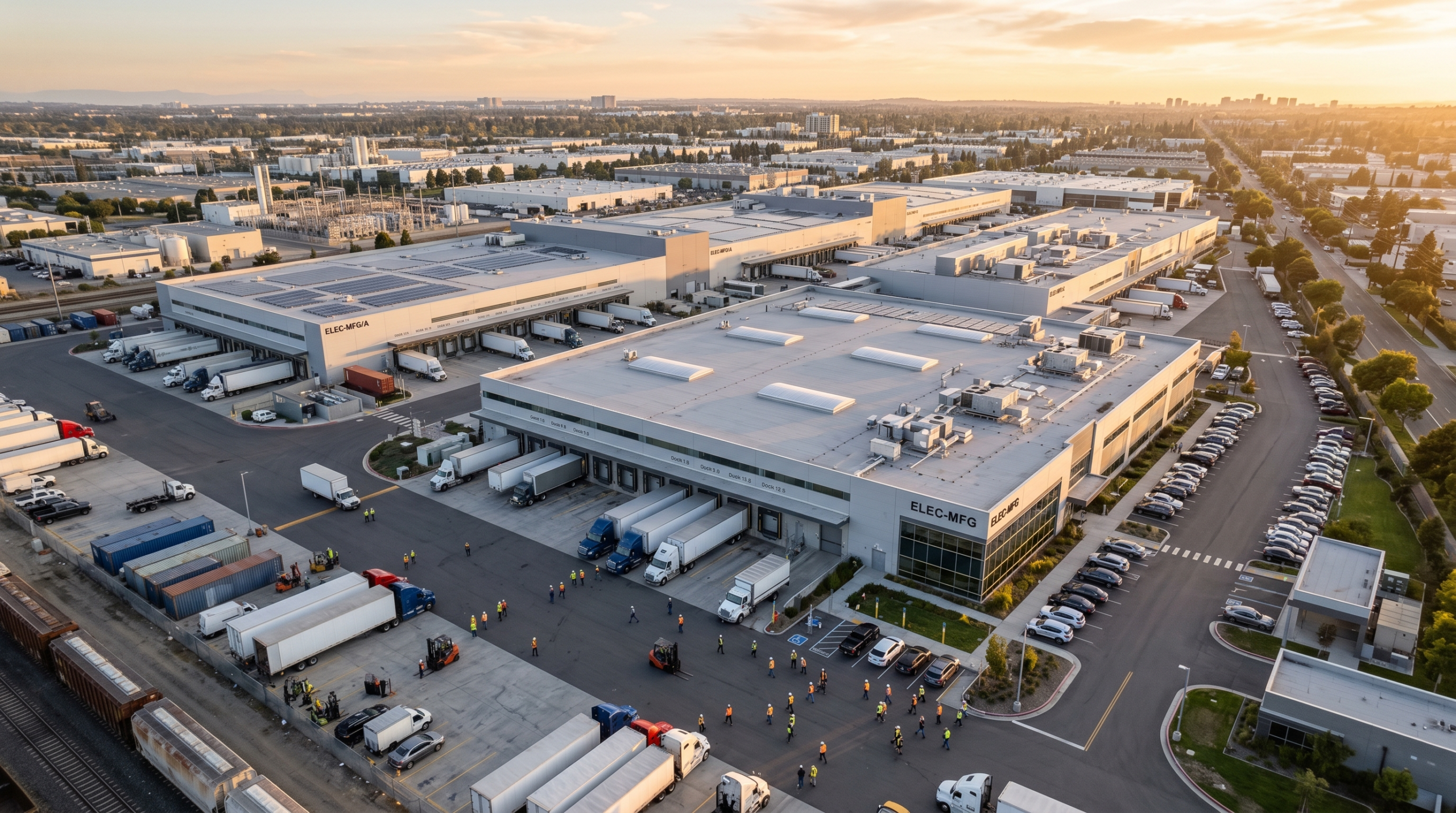
A pivotal partnership was formed around 2000 with Foxconn, led by Terry Gou. This relationship would become central to Apple’s ability to produce devices at unprecedented scale. Foxconn initially assembled iPods following their 2001 launch and later became instrumental in iPhone production starting in 2007. The timing aligned with China’s strategic push to advance beyond low-cost manufacturing into sophisticated electronics production.
The company’s expansion into China as a consumer market accelerated dramatically in the early 2010s. After establishing an official presence through a Shanghai-based trading company in 2001, Apple began opening retail locations across major Chinese cities. A breakthrough moment arrived in 2013 with a partnership agreement with China Mobile, which provided access to hundreds of millions of potential customers through what was then the world’s largest carrier by subscriber count.
Financial data illustrates the importance of this market to Apple’s overall business. Revenue from China grew from approximately $59 billion in 2015, representing about 25% of total revenue, to $64 billion in 2025. The company achieved the top position in China’s smartphone market last year with approximately 22% market share.
Navigating the complex political landscape between Washington and Beijing has required careful diplomacy. During the 2018 trade tensions, Apple successfully lobbied for exemptions from certain tariffs, with U.S. trade regulators approving 10 out of 15 exemption requests in 2019. The company’s smartphones and electronics were also exempted from tariffs in 2025.
Simultaneously, Apple has maintained strong relationships with Chinese officials through regular meetings and participation in forums such as the China Development Forum. These efforts have been complemented by substantial investments in the Chinese ecosystem.
Notable investments include a $1 billion stake in ride-hailing platform Didi Chuxing in 2016, which represented the largest single investment in that company’s history. In 2021, Apple reportedly signed an agreement with Chinese officials valued at approximately $275 billion, encompassing commitments to retail expansion, research and development centers, and renewable energy projects.
More recently, in March 2025, plans were announced for a $101 million new energy fund in China, with leadership reaffirming continued investment commitments to Chinese industry officials.
The incoming CEO faces the challenge of maintaining these crucial relationships while managing the inherent risks of such deep integration with a single market. The company’s operational efficiency and market access in China remain fundamental to its global competitiveness, making the management of these relationships a critical priority for the new leadership team.