
A leaked message has reportedly sparked serious concern among allies
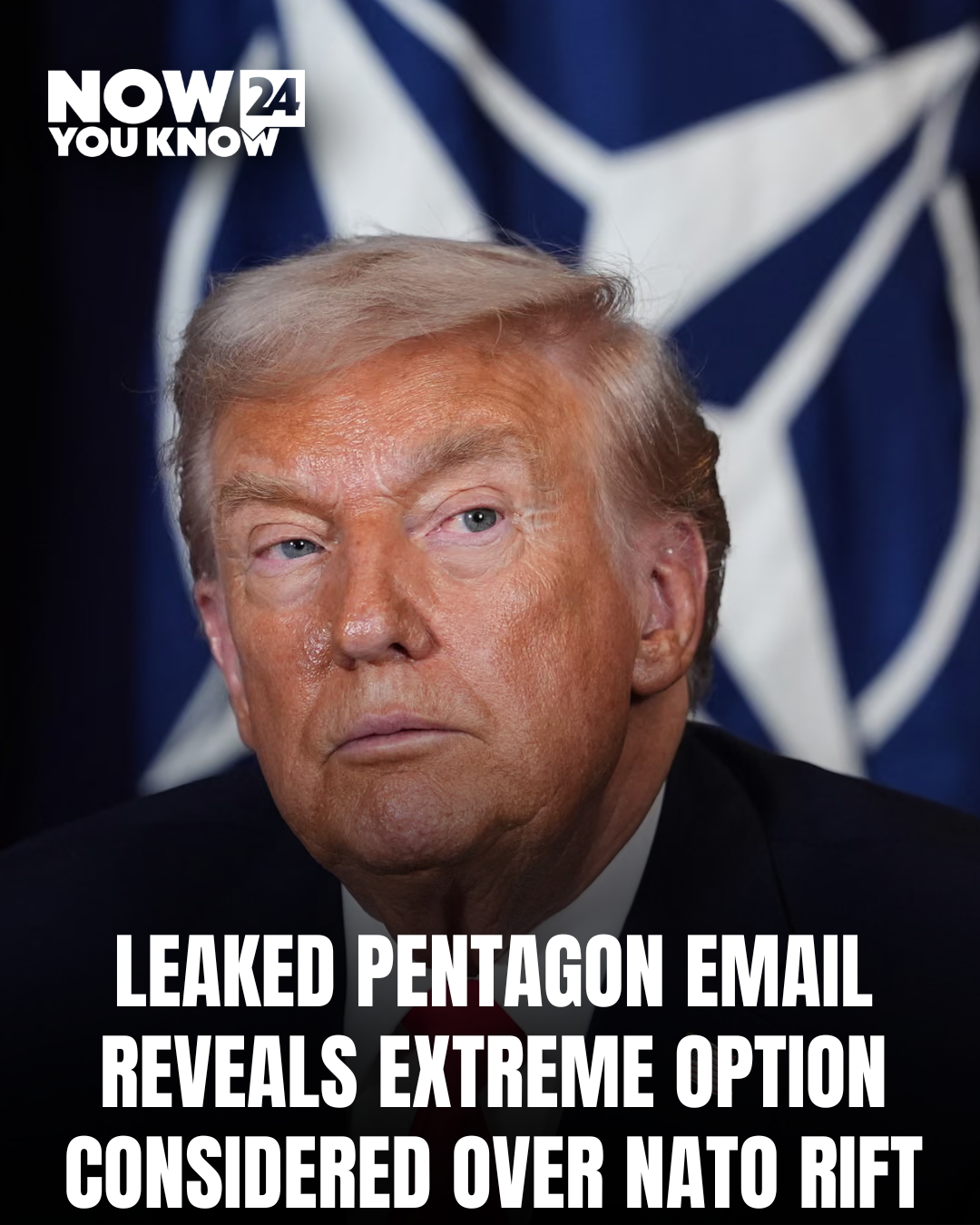
A newly revealed internal communication from the U.S. Department of Defense is raising eyebrows across Europe — and it’s not a small issue.
According to reports, the email outlines potential actions the United States could take against NATO allies it believes are not doing enough to support its stance in the Iran conflict.
And one of those options?
Suspending a key European country from NATO.
Spain unexpectedly caught in the crosshairs
The country mentioned is Spain, a long-standing member of the alliance.
The internal message reportedly criticizes what it describes as a “sense of entitlement” among European allies, pointing to frustration in Washington over limited cooperation — particularly when it comes to military access and support.
Spain has notably refused to allow the U.S. to use its airspace or bases for operations related to Iran.
While the move to suspend Spain is said to be largely symbolic, the political message behind it is anything but subtle.
The UK also pulled into the controversy
The fallout doesn’t stop there.
The email also suggests the U.S. could revisit its stance on the Falkland Islands — a sensitive issue tied to the United Kingdom.
That immediately triggered a response from Keir Starmer, whose office reaffirmed that British sovereignty over the islands is “unchanged.”
The islands have long been a flashpoint, most notably during the Falklands War between the UK and Argentina.
Leaders push back — and tensions rise
Spain’s Prime Minister Pedro Sánchez dismissed the report, insisting his country remains a “reliable” NATO partner.
Meanwhile, European leaders are urging unity rather than escalation.
Italy’s Giorgia Meloni stressed that the alliance must remain strong, while German officials made it clear they see no scenario where Spain’s membership is at risk.
Still, the message has clearly landed.
What’s really driving the conflict?
At the center of the dispute is the ongoing crisis around the Strait of Hormuz, a critical global chokepoint for oil and gas.
The U.S. has been pushing NATO allies to:
- Allow military base access
- Support naval operations
- Take a more active role in confronting Iran
But several European countries have hesitated — or outright refused.
That hesitation appears to be fueling growing frustration in Washington.
“The time for free-riding is over”
U.S. Defense Secretary Pete Hegseth didn’t hold back, suggesting allies need to step up or risk consequences.
The message is clear:
The U.S. expects more — and patience may be running out.
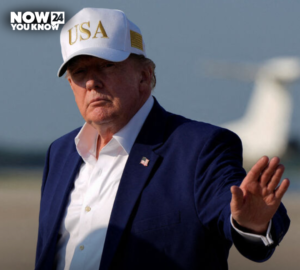
Even Donald Trump has previously criticized NATO partners, calling the alliance ineffective without stronger participation.
What happens next?
For now, officials say:
- No formal action has been taken
- The email reflects internal discussions, not official policy
- NATO membership changes remain highly unlikely
But the bigger issue isn’t whether Spain will actually be suspended.
It’s what this reveals about the current state of the alliance.
The bigger picture
Behind the headlines, this is about more than one email.
It’s about:
- Growing cracks between the U.S. and Europe
- Disagreements over military involvement
- And a shifting balance of power inside NATO
Whether this turns into real policy — or remains a warning shot — could shape the future of the alliance itself.