





A Law Named After a Tragic Case
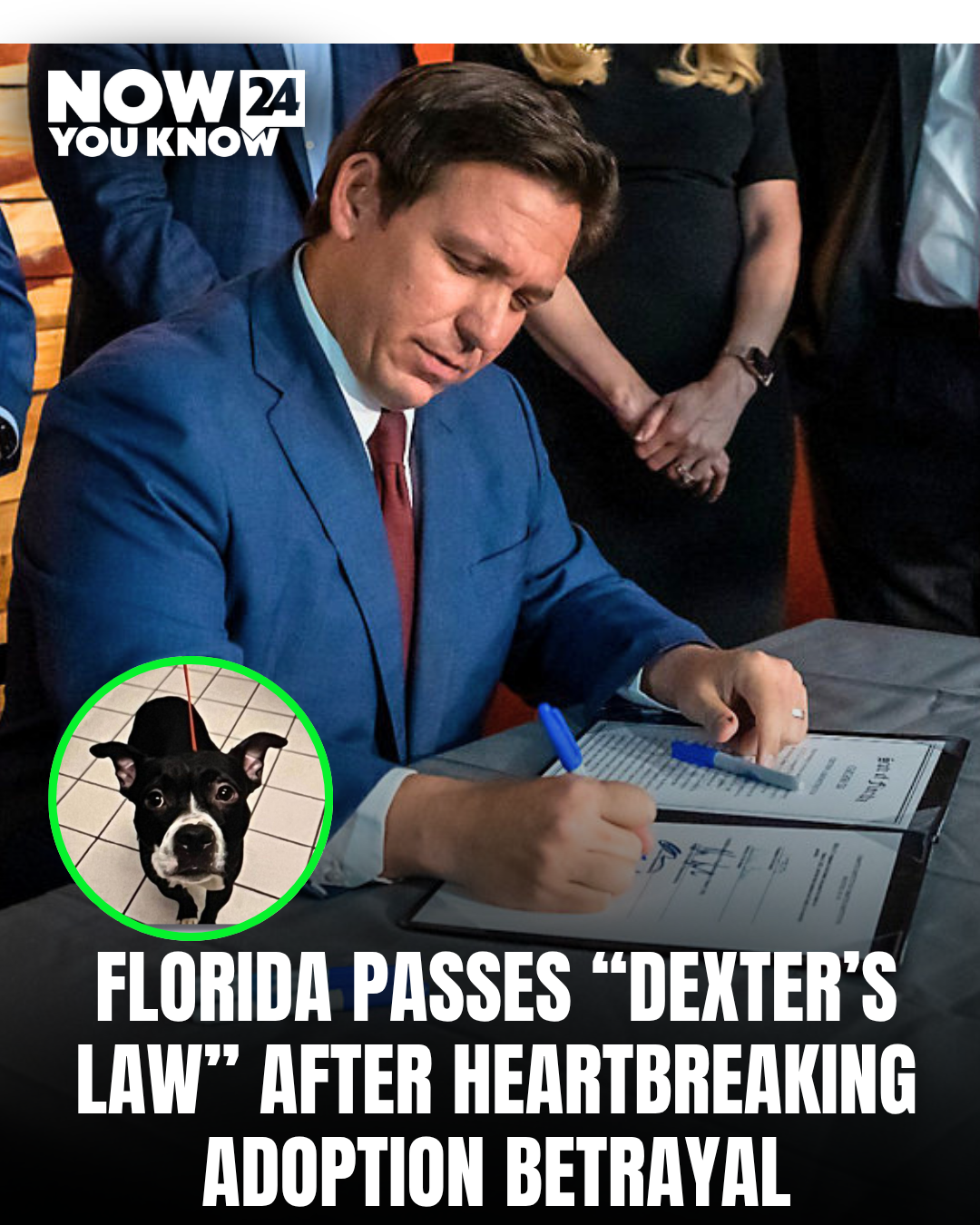
Florida has introduced a new law designed to strengthen protections for animals, creating a public registry of convicted animal abusers. The law, signed in May 2025 by Governor Ron DeSantis, is named “Dexter’s Law” after a dog whose case shocked the state.
The Story Behind Dexter’s Law
Dexter, a four-year-old bulldog mix, was adopted from Pinellas County Animal Services in May 2024. Just four days later, he was found dead at Fort De Soto Park. The case quickly gained attention due to the short time between his adoption and death.
His adopter, Domingo Rodriguez, was later convicted of aggravated animal cruelty in February 2025. He has since appealed the conviction.
A New Public Registry
Under Dexter’s Law, Florida has created its first-ever public database of convicted animal abusers. The registry is managed by the Florida Department of Law Enforcement and went live on January 1, 2026.
Shelters, rescues, and pet sellers can now check the system before approving any adoption or sale of an animal.
Restrictions on Listed Offenders
Individuals placed on the registry face strict limitations. They are prohibited from adopting, purchasing, or living with certain animals while listed. The law is designed to reduce the risk of repeat abuse.
Tougher Penalties for Cruelty
In addition to the registry, the law increases sentencing penalties for aggravated animal cruelty cases. Lawmakers say the goal is to ensure stronger consequences for severe violations.
Part of a Growing Trend
Florida now joins other jurisdictions, including Tennessee and New York City, that have introduced similar public registries. Supporters argue these systems help prevent known offenders from gaining access to animals again.
Advocacy and National Debate
Animal welfare advocates have praised the move and are pushing for similar laws nationwide. They argue that public transparency is a necessary step in preventing repeat abuse cases.
A Law Born From Loss
While Dexter’s Law represents a policy shift, it is rooted in a tragic case that continues to resonate. Advocates say the goal is simple: to prevent similar outcomes in the future.