




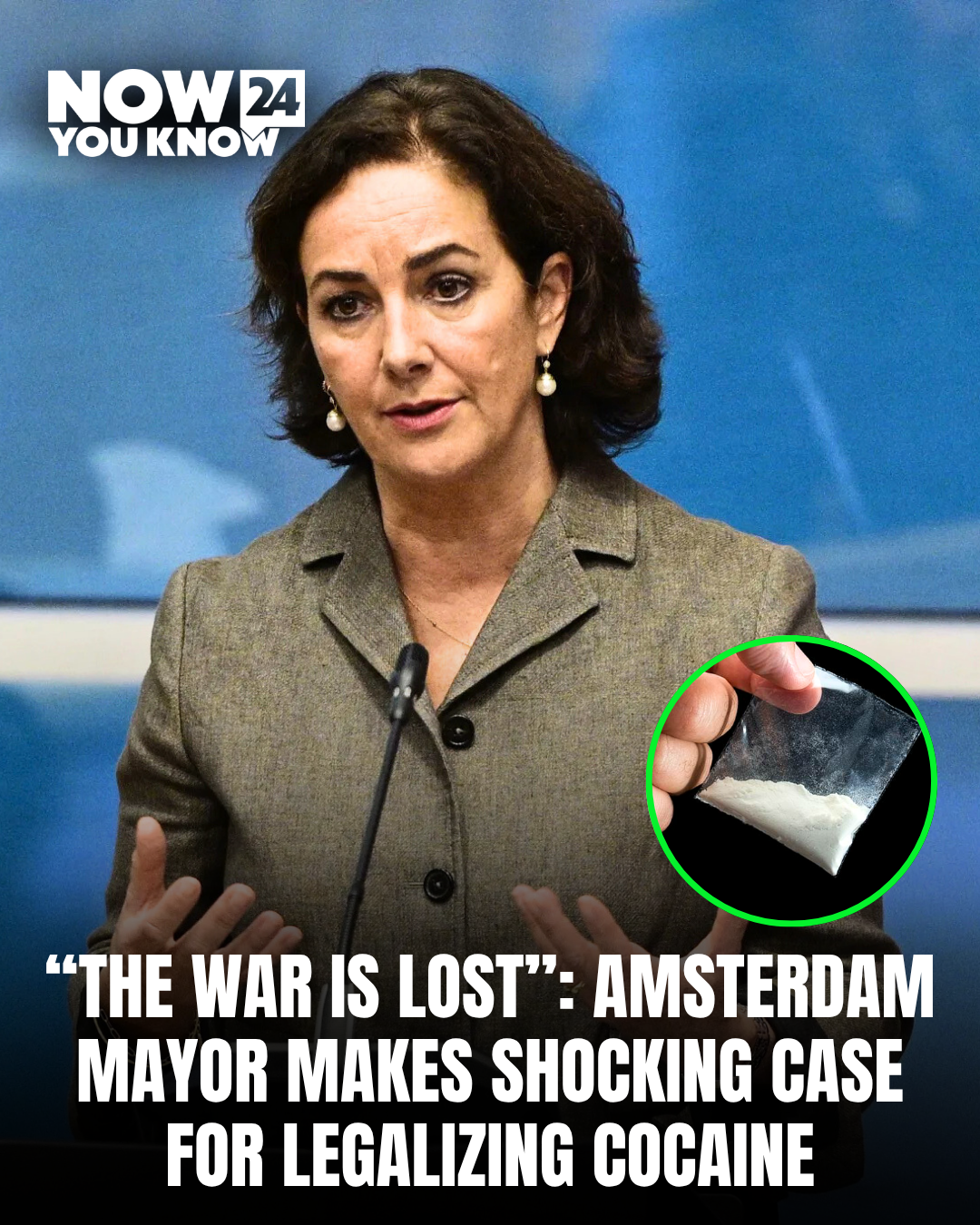

The long-running debate over global drug policy has resurfaced after remarks from Femke Halsema, who has renewed calls to rethink how cocaine is regulated in Europe.
A Radical Shift in Drug Policy Debate
Halsema has argued that decades of enforcement-driven drug policy have failed to significantly reduce cocaine trafficking. Instead, she says, the illegal trade has grown stronger and more profitable for organized crime networks.
Her comments were first outlined at the international “Dealing with Drugs” conference in Amsterdam in January 2024, where she made her position clear: current strategies are not achieving their intended results.
“The War on Drugs Isn’t Working”
At the center of her argument is a direct challenge to traditional drug policy. Halsema stated that enforcement-heavy approaches have not reduced supply or demand in any meaningful way.
She has also pointed out that a significant portion of police resources in the Netherlands is tied to drug-related crime, raising concerns about strain on public services and law enforcement capacity.
Proposal for Regulation, Not Prohibition
Rather than continued prohibition, Halsema has suggested exploring regulated markets for substances such as cocaine, drawing comparisons to existing cannabis pilot programs in parts of Europe.
Supporters of the idea argue that regulation could weaken criminal networks by removing illegal profit margins, while improving oversight and public health controls.
Strong Political Opposition
The proposal has faced sharp criticism from political figures, including former Dutch Justice Minister Dilan Yeşilgöz-Zegerius, who argues that regulation would be ineffective unless coordinated internationally.
Opponents say unilateral action by a single country could fail to address the global nature of drug trafficking networks.
Divided Public Health Debate
Public health experts remain split on the issue. Some suggest regulation could reduce harm by improving safety standards and reducing criminal violence, while others warn it could normalize cocaine use and increase consumption rates.
The debate reflects a broader global tension between harm reduction strategies and strict prohibition policies.
A Debate That Keeps Returning
Although Halsema has acknowledged limited political support for full legalization, her comments continue to resurface in European discussions on drug reform, especially as cities face ongoing challenges linked to trafficking and drug-related violence.
For now, the idea remains controversial, but it has reopened a difficult question for policymakers: whether existing drug laws are solving the problem or sustaining it.