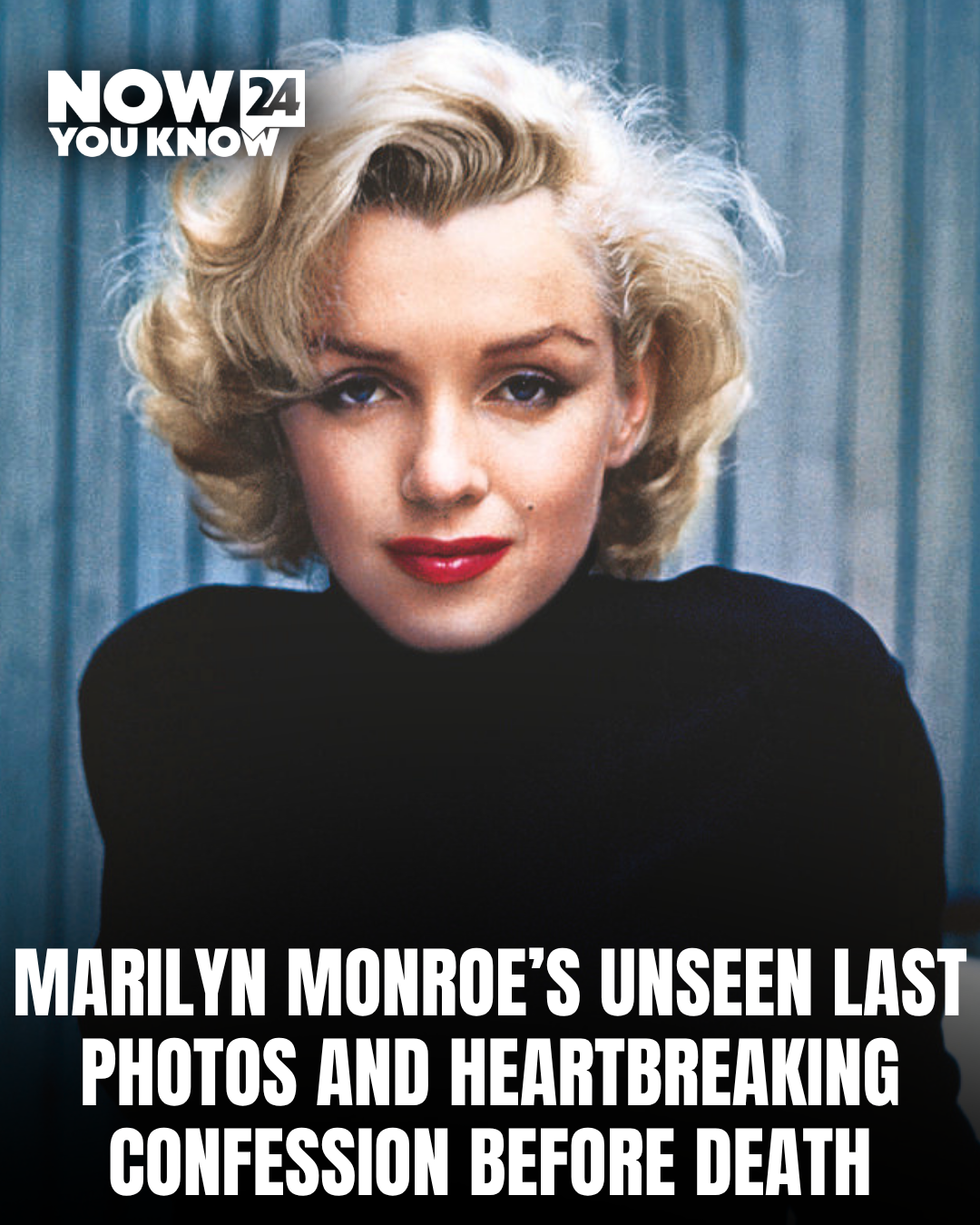

Just weeks before her death, Marilyn Monroe opened up in a deeply personal interview—revealing a side of herself the world rarely saw.
“You know, most people really don’t know me,” she said.
At the time, the Hollywood icon was just 36 years old.
A Different Side of a Global Icon
In the summer of 1962, Monroe sat down with journalist Richard Meryman for what would become one of her final interviews.
What was meant to be a discussion about fame quickly turned into something much more intimate.
“The trouble is — a sex symbol becomes a thing,” she admitted. “I just hate to be a thing.”
Behind the glamour, Monroe—born Norma Jeane Baker—was still grappling with identity, loneliness, and the pressures of being one of the most famous women in the world.
Fame Wasn’t What It Seemed
While millions adored her, Monroe described fame in surprisingly blunt terms:
“It’s like caviar. It’s good to have… but if you had it every day?”
She recalled moments when the attention became overwhelming—even dangerous—like when fans crowded her after surgery, causing her wound to reopen.
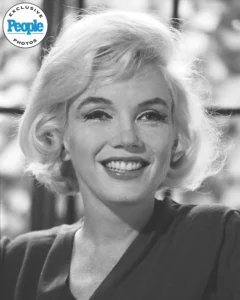
Despite the adoration, she confessed something striking:
“The public scares me. Mobs scare me.”
Her Most Iconic Moment—In Her Own Words
Reflecting on her legendary performance of “Happy Birthday” for John F. Kennedy, Monroe revealed just how nervous she really was.
“There was like a hush… I didn’t think anything was going to come out,” she said.
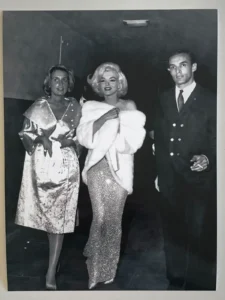
But in that moment, she pushed through:
“I thought, I’ll sing this song if it’s the last thing I ever do.”
A Life Marked by Struggle
Long before she became a global star, Monroe endured a difficult childhood in foster homes and orphanages.
“I’d sit in the movies all day… a little kid all alone,” she recalled.
Even later in life, she admitted that happiness was never something she took for granted.
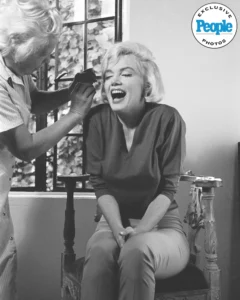
The Loneliness Behind the Spotlight
Perhaps the most heartbreaking moment came when Monroe spoke about her personal life.
She described being invited to events not for who she was—but for what she represented.
“You’re not really invited for yourself sometimes.”
And when asked if people had reached out to support her during a difficult time, her answer was simple:
“No.”
Her Final Days
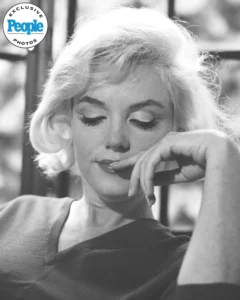
Just days after the interview, Meryman visited Monroe again.
He described her as barefoot, wearing a robe, with her hair tousled and makeup still smudged from the night before.
As he left, she called out to him:
“Hey, thanks.”
It was a small moment—but one that carried a quiet sense of sadness.
A Lasting Legacy
Now, as her 100th birthday approaches, new insights into Monroe’s final months are being revealed in Marilyn: The Lost Photographs, The Last Interview—including rare and previously unseen images.
They show not just the icon the world adored—but the woman behind it all.