
Getting pulled over by the police is stressful enough—but there’s one strange detail many drivers notice that makes the situation even more confusing.
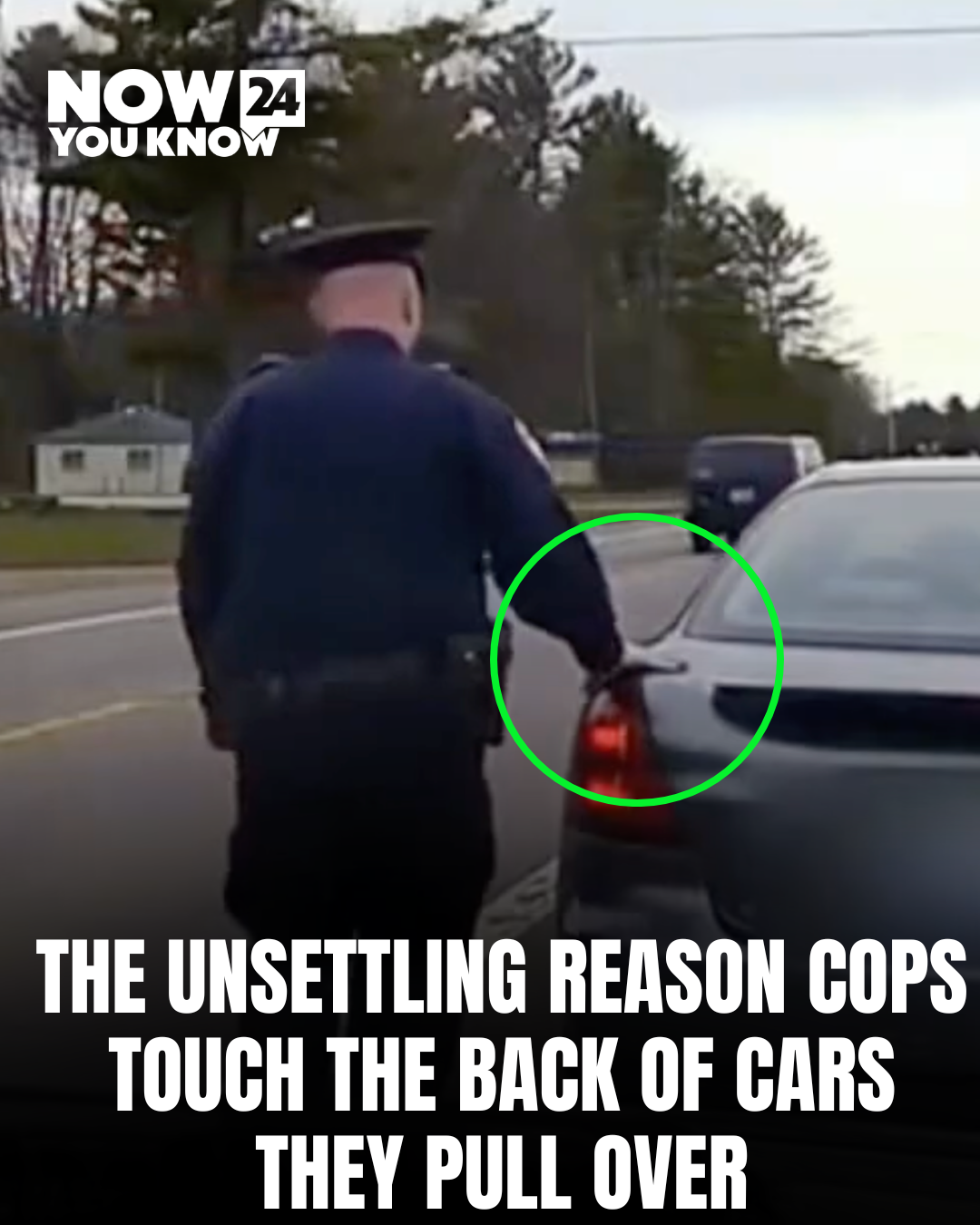
Right before approaching your window, officers often reach out and touch the back of your car.
At first glance, it seems random. But according to law enforcement experts, it’s actually a deliberate move with multiple important purposes.
Why Do Police Touch Your Car?
The action might look subtle, but it’s rooted in safety and procedure.
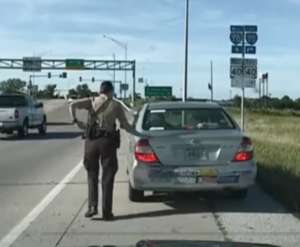
Former Florida Highway Patrol trooper Steven Montiero, also known as “Trooper Steve,” explained that officers are trained to do this for two main reasons.
First, it’s a quick safety check.
By touching the trunk, officers can confirm it’s fully closed—ensuring no one is hiding inside who could pose a threat. During traffic stops, officers are at their most vulnerable, so even small precautions matter.
The More Surprising Reason
The second reason is far more unsettling—and not widely known.
By touching your vehicle, the officer leaves behind fingerprints (and potentially DNA). This creates a physical record linking them to that specific stop.
If something were to go wrong—like a driver fleeing or a dangerous situation unfolding—this evidence could help investigators piece together what happened.
In other words, it’s a built-in forensic trail.
Is This Still Necessary Today?
Some people online have questioned whether this practice still matters in the age of dashcams and body cameras.
While modern technology does document traffic stops, physical evidence can still play a role in investigations—especially if footage is unclear or unavailable.
Others, including former officers, say this method has been taught for decades and remains part of standard training in many places.
What Drivers Should Know
Police typically pull drivers over for common reasons like speeding, broken lights, or erratic driving.
If it happens to you, the best course of action is simple:
- Pull over safely
- Stay inside your vehicle
- Follow instructions calmly
And now, if you notice the officer touch your car—you’ll know exactly why.