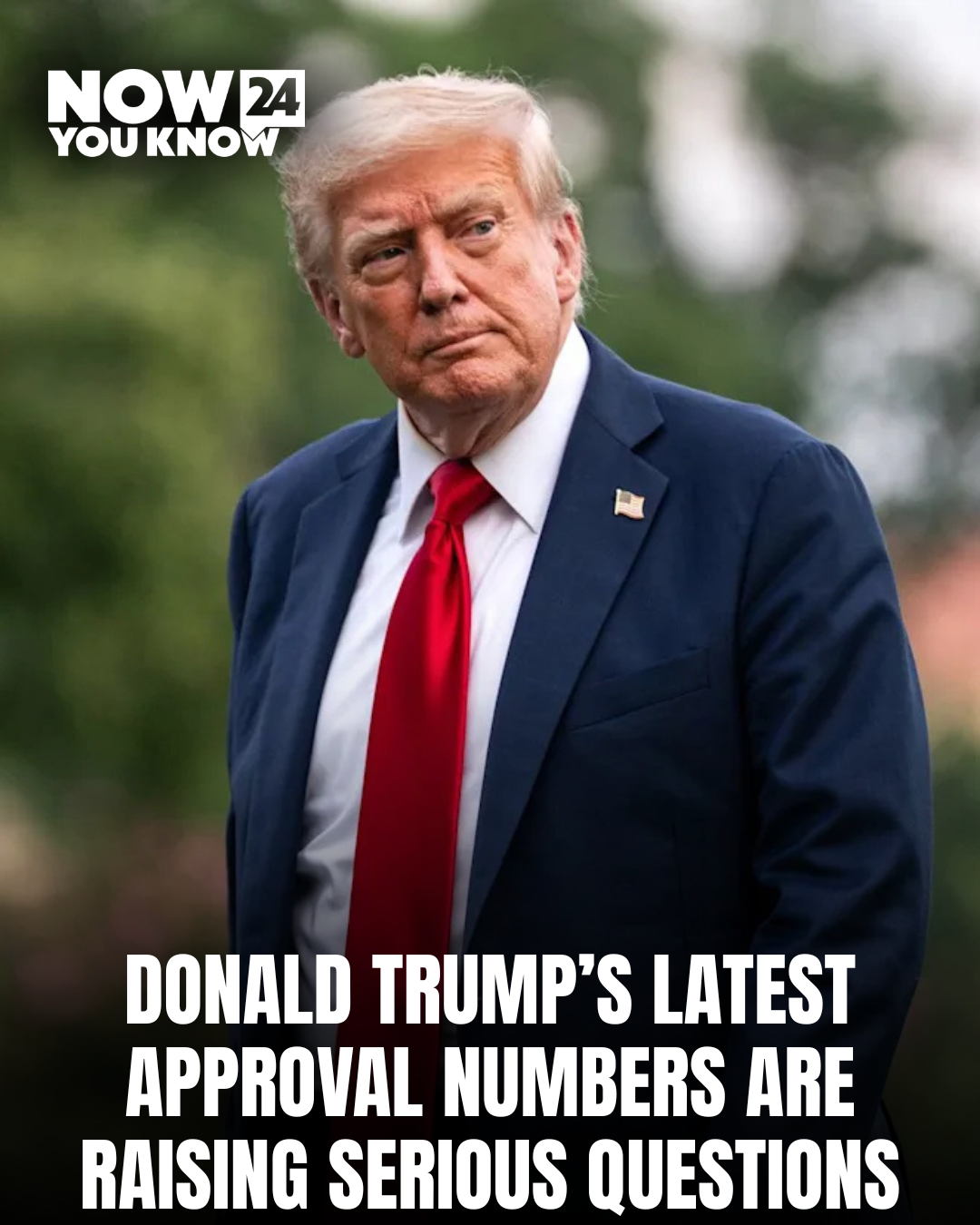

A new national poll suggests public frustration over the ongoing Iran conflict is continuing to grow, with a majority of Americans now disapproving of President Donald Trump’s handling of the war and its economic impact.
The latest PBS News/NPR/Marist survey found that six in ten Americans disapprove of how the administration is managing the conflict, which began earlier this year following joint military action involving the United States and Israel.
Support for the War Continues to Decline
According to the poll, only 33 percent of Americans currently approve of the war effort and Trump’s handling of the situation, while roughly 60 percent disapprove.
The numbers reflect a noticeable decline in support compared to earlier months, including among Republicans, where approval reportedly dropped seven percentage points since March.
Political analysts say the findings suggest growing fatigue among voters as the conflict drags on longer than many initially expected.
Comparisons Already Being Made to Iraq War Era
The poll’s results have already drawn comparisons to public opinion during the Iraq War under former President George W. Bush.
PBS analysts noted that Bush’s disapproval ratings in 2007 were not far from Trump’s current numbers, despite the Iraq conflict involving years of combat and American casualties overseas.
The comparison highlights how quickly public sentiment can shift when wars begin affecting daily life at home.
Gas Prices Becoming a Major Political Problem
One of the biggest issues influencing public opinion appears to be rising fuel costs.
The survey found that 81 percent of Americans say higher gas prices are putting financial strain on their households, with one-third describing the impact as a “major strain.”
At the same time, nearly two-thirds of respondents said they blame President Trump for the increase in fuel prices.
Economic Concerns Growing Ahead of Midterms
The poll also revealed weakening confidence in Trump’s handling of the broader economy, traditionally considered one of his strongest political issues.
Around 61 percent of Americans now reportedly disapprove of his economic leadership, a sharp contrast to polling near the end of his previous presidency when economic approval numbers were considerably stronger.
Political strategists say rising living costs combined with war concerns could become a difficult combination for Republicans heading into the 2026 midterm elections.
Democrats Seeing Signs of Momentum
The survey showed Democrats currently holding a notable advantage in generic congressional ballot polling, particularly among independent voters.
Democratic organizers also point to increasing voter enthusiasm, which they believe could help them compete in districts recently redrawn to favor Republicans.
Recent election results in states like Michigan are already being viewed by some analysts as an early warning sign for GOP candidates in competitive races.
Trump’s Influence Inside the Republican Party Remains Strong
Despite slipping national approval numbers, Trump still appears to maintain significant influence within Republican primaries.
In Indiana, several Republican lawmakers who opposed redistricting efforts backed by Trump were defeated in primary challenges supported by the former president.
The results reinforced the continuing importance of loyalty to Trump within many parts of the Republican Party, even as broader national polling becomes more difficult for the GOP.
Political Stakes Continue to Rise
With months still remaining before the midterm elections, both parties are closely watching whether economic frustration and war fatigue continue intensifying.
If fuel prices remain elevated and the Iran conflict stretches further into the year, strategists believe the issue could become one of the defining political battles of the 2026 election cycle.