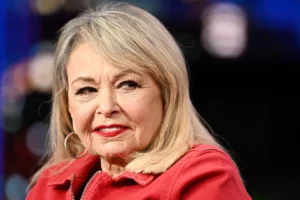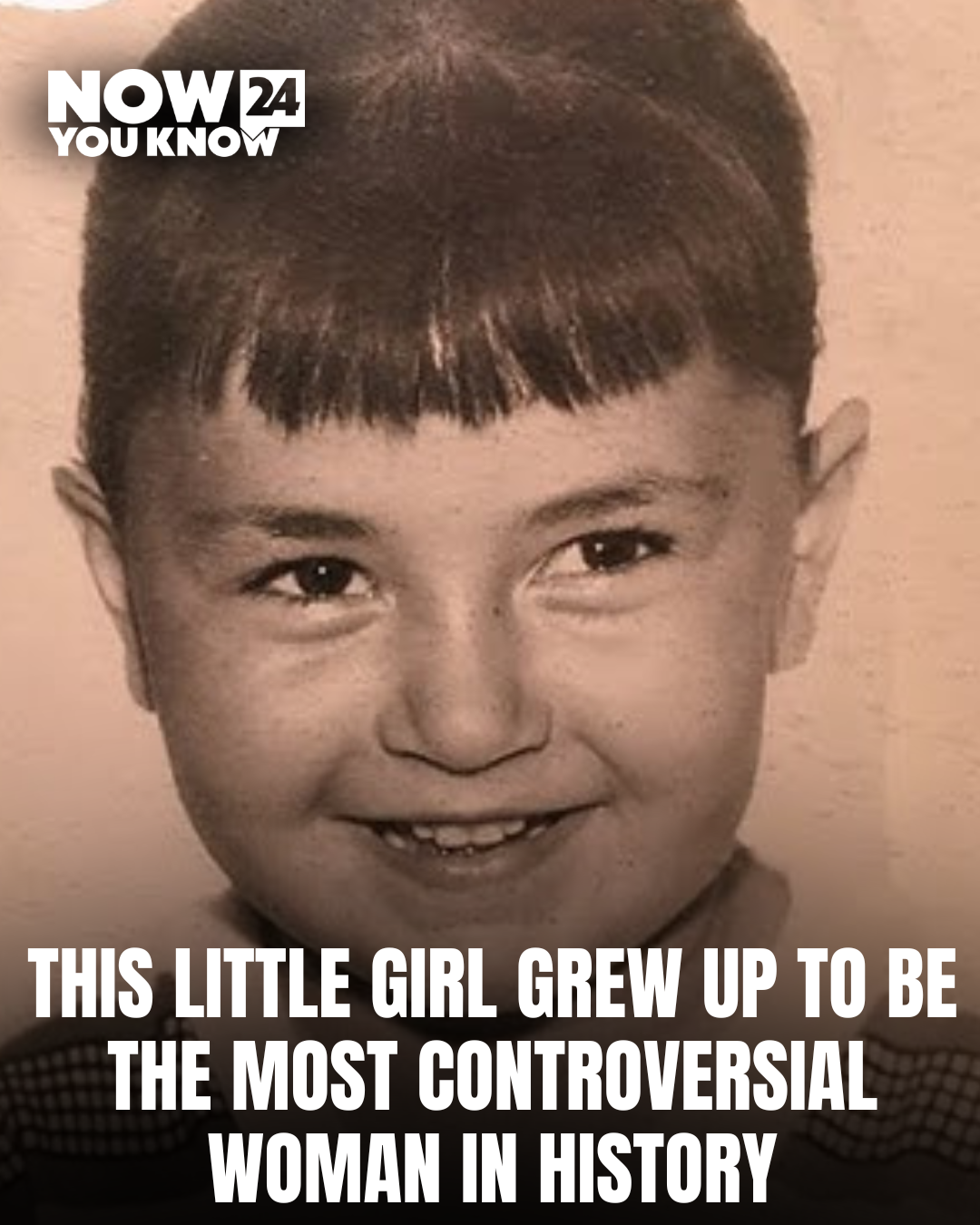

Long before she became one of the most divisive names in American entertainment, she was a young girl growing up in Salt Lake City, Utah. Raised in a Jewish family that often kept its identity quiet from neighbors, her childhood was shaped by a complex mix of religion and family tensions. A defining moment occurred at age 16 when she was hit by a car, a traumatic accident that led to an eight-month stay at a state hospital and reportedly left her with lasting neurological effects.
From Domestic Life to Stand-Up Stardom
By age 18, she left home for Colorado, embarking on a life defined by reinvention. Her path to fame began in small comedy clubs, where she developed a sharp, working-class persona built around the frustrations of motherhood. This “domestic goddess” character eventually caught the attention of national scouts, leading to iconic appearances on late-night television and HBO specials that challenged the polished image of the American housewife.
A Sitcom That Changed Television
In 1988, her stand-up act was transformed into one of the most successful sitcoms in television history. The show broke ground by portraying a working-class family with raw honesty, focusing on financial struggles and marital exhaustion. Its star won both an Emmy and a Golden Globe, becoming one of the highest-paid women in the industry and a hero to millions of viewers who finally saw their own lives reflected on screen.
The Anthem Scandal and Public Outrage
Even at the peak of her success, controversy followed her every move. In 1990, she performed a rendition of “The Star-Spangled Banner” that remains one of the most hated moments in sports history. The performance was intentionally off-key and ended with her spitting on the field, prompting even the President of the United States to label the act “disgraceful.” It was the first of many times she would face national condemnation.
A Career Defined by Shock Tactics
Over the decades, she leaned further into her role as a provocateur. From accusing her family of abuse to posing in satirical photo shoots as Adolf Hitler, she often claimed her actions were intended as social commentary or mocking of authority. However, to much of the public, these acts were seen as deeply insensitive or outright offensive, setting a pattern of behavior that would eventually catch up with her during the social media era.
The Tweet That Ended a Massive Comeback
By 2018, she achieved a rare feat: a massive television comeback. Her revived sitcom drew over 18 million viewers, proving her brand still had immense power. Yet, the success lasted only months. After she posted a racist tweet targeting a former presidential adviser, the network made the unprecedented move of canceling their top-rated show. Despite her apologies and explanations involving medication, the professional fallout was permanent and immediate.
Reinvention as a Political Provocateur
In recent years, she has fully embraced her reputation as an outsider and a political firebrand. She has promoted various conspiracy theories, made inflammatory claims about global figures, and even launched her own run for the presidency. Describing herself as a “troll,” she continues to use her platform to challenge mainstream narratives, remaining a hero to those who value uncensored speech and a villain to those who see her as a symbol of recklessness.
The Woman Behind the Legacy
The little girl from Salt Lake City who survived a traumatic injury grew up to be a trailblazing comedian and an Emmy-winning star who ultimately became her own greatest obstacle. Her legacy is a complicated tapestry of working-class advocacy and self-destructive outbursts. The woman behind the iconic laugh and the most dramatic cancellation in modern TV history is none other than Roseanne Barr.