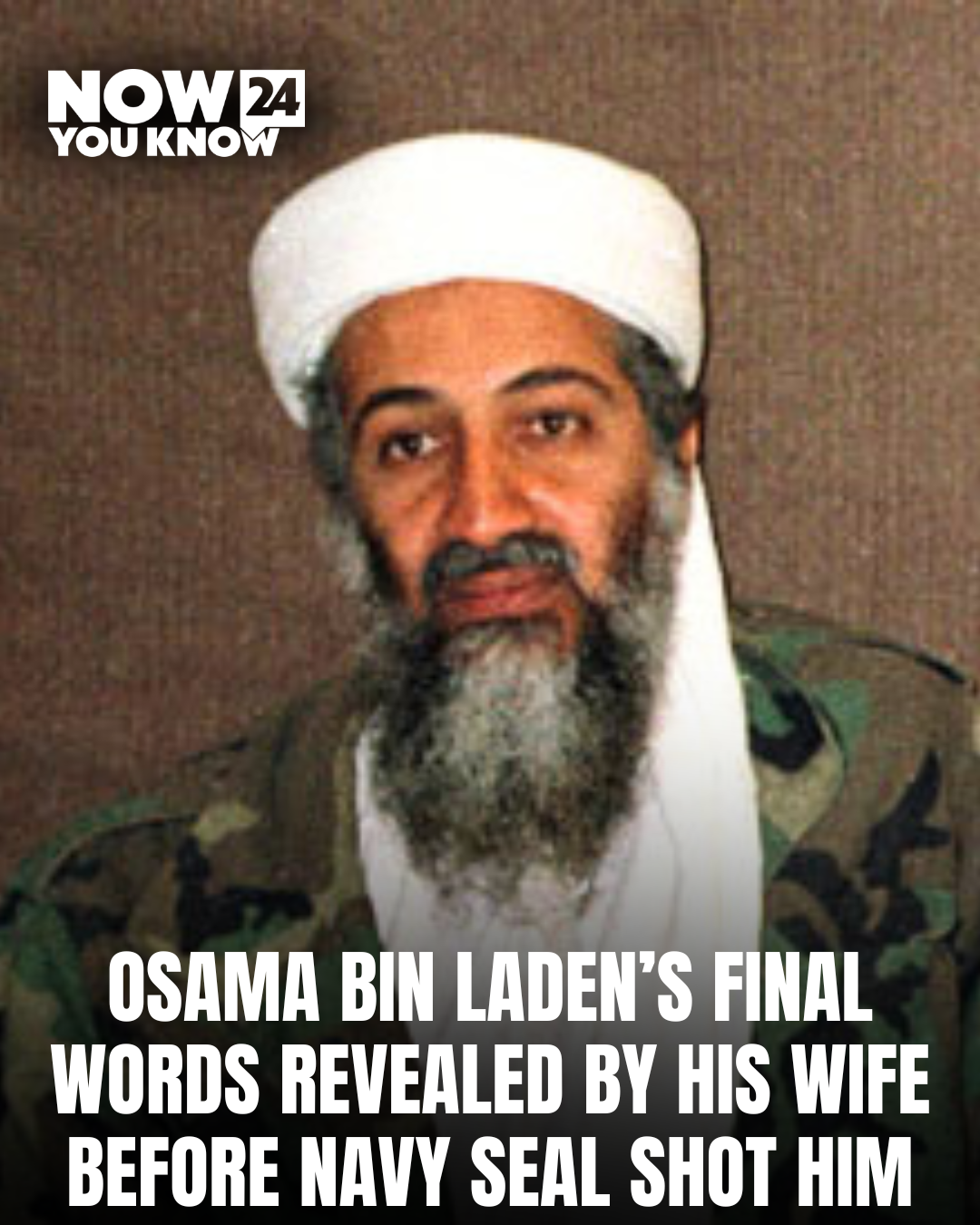

On May 2, 2011, a covert US military operation brought an end to one of the most wanted men in the world. Osama bin Laden was killed when US Navy SEALs stormed his compound in Abbottabad, Pakistan, marking a major moment in the aftermath of the September 11 attacks.
Inside the Compound
According to later accounts from his youngest wife, Amal al-Sadah, the family was awakened by the sound of helicopters and the vibrations of the approaching assault. Bin Laden reportedly instructed one of his sons to bring a weapon and told his wives to go downstairs, saying the attackers were coming specifically for him.
His Final Words
Amal recalled that she remained in the room with their young son as the situation escalated. She said bin Laden’s final words to her were a quiet instruction not to turn on the light. Moments later, US forces entered the room after cutting power to the compound.
The Moment of Confrontation
Amal attempted to intervene and was shot in the leg during the raid. Shortly after, bin Laden was killed by the SEAL team inside the compound. Reports suggest he had limited means to escape, despite efforts to remain hidden at the heavily secured location.
A SEAL’s Account
Robert J. O’Neill, who has publicly claimed responsibility for the fatal shots, later described the encounter in interviews. He recalled recognizing bin Laden instantly and assessing him as a threat, stating that the situation left no room for hesitation.
Aftermath of the Operation
Following the raid, bin Laden’s death was confirmed by US officials, and his body was later buried at sea. The operation was widely seen as a significant development in the fight against global terrorism, though debates about its broader impact continue.
A Defining Historical Moment
The killing of bin Laden remains one of the most significant military operations of the 21st century. It not only marked the end of a years-long manhunt but also reshaped discussions around security, intelligence, and international conflict in the years that followed.