
Stories from people who came close to death continue to spark curiosity, especially when they describe what felt like glimpses of “the other side.” While science remains cautious, personal accounts still fuel debate.
What Science Says About Near-Death Experiences
In medical research, these events are known as Near-death experience (NDEs). They can include sensations such as out-of-body awareness, vivid dreams, or a sense of detachment.
Scientists generally link these experiences to brain activity under extreme stress, rather than evidence of an afterlife.
Some Report Complete Nothingness
A number of people say they experienced absolutely nothing. Several accounts describe a sudden blackout followed by waking up in a hospital, with no memory in between.
These reports are often cited as consistent with how the brain shuts down during trauma or oxygen deprivation.
Others Describe Vivid and Emotional Moments
Not all experiences are blank. Some individuals recall intense and emotional scenarios, including hearing voices or feeling guided.
In certain cases, people describe being asked whether they wanted to continue living, followed by a strong sense of returning to their bodies.
Unusual and Surreal Visions
Some accounts go further, describing dream-like or symbolic imagery. These include encounters with figures, animals, or environments that feel deeply real at the time.
While these experiences can feel meaningful, researchers often attribute them to the brain processing fear, memory, and imagination under extreme conditions.
The “Light” and Return Sensation
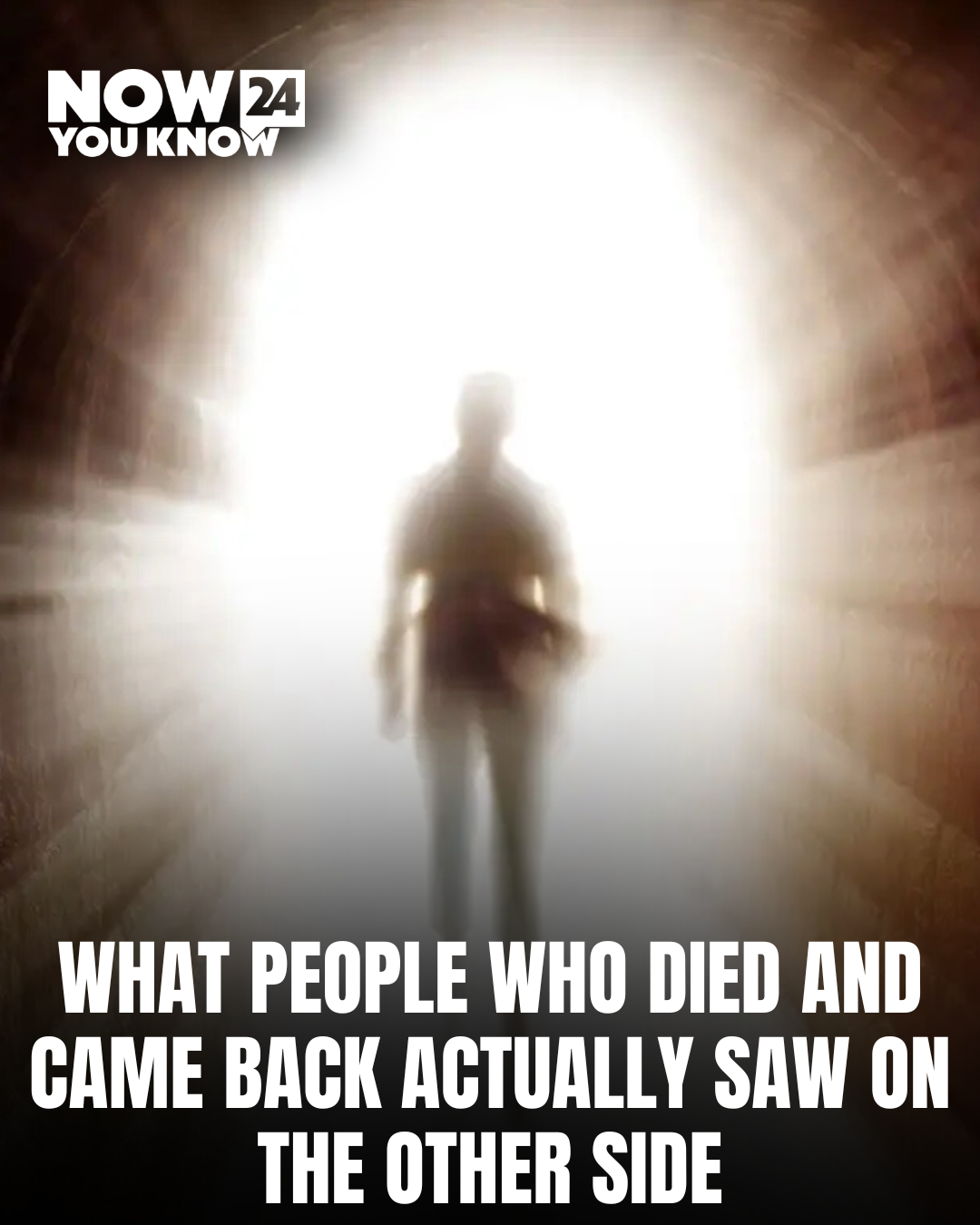
One of the most commonly reported elements is seeing a bright light or moving from darkness into brightness. Others describe a sudden “pull” back into their body, often accompanied by pain or awareness.
These sensations are frequently linked to neurological responses during recovery.
Why These Stories Matter
Even though science does not confirm the existence of an afterlife, these experiences can have a lasting impact. Many people report changes in perspective, including a greater appreciation for life.
Psychologists note that the emotional intensity of these moments can reshape how individuals view mortality and purpose.
A Question Still Without a Clear Answer
Beliefs about life after death vary widely across cultures and religions, while science continues to approach the topic through measurable evidence.
For now, near-death experiences remain a complex mix of biology, perception, and personal interpretation — leaving the bigger question open.