




A 23-year-old paramedic is warning others after a seemingly harmless habit left her partially paralyzed and fighting for recovery.
Natalie Kunicki, who worked for the London Ambulance Service, had been relaxing at home with a friend when she stretched her neck and heard a loud crack.
At the time, she didn’t think anything of it.
But within minutes, everything changed.
A Sudden and Shocking Turn
After falling asleep shortly afterward, Natalie woke up unable to move her left leg. When she tried to stand, she collapsed.
Initially, she thought something minor was wrong — or even that she had been drugged — but deep down, she knew it was more serious.
She was rushed to hospital, where doctors delivered a devastating diagnosis: she had suffered a Stroke.
What Actually Happened
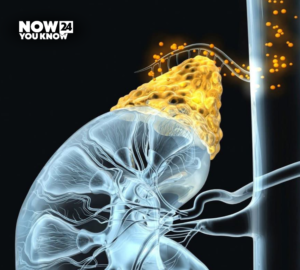
Doctors later discovered that when Natalie cracked her neck, she had ruptured her Vertebral Artery — a major artery that supplies blood to the brain.
The rupture caused a blood clot to form, which then triggered the stroke.
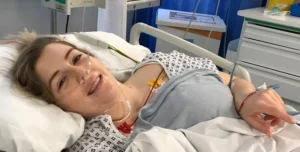
Despite being young, healthy, and with no known risk factors, she suddenly found herself in intensive care.
“I Thought I’d Wake Up Fixed”
Natalie underwent a three-hour surgery at the National Hospital for Neurology and Neurosurgery, where doctors inserted a stent to repair the damaged artery.
However, the clot in her brain could not be removed.
“I expected to wake up and everything would be fixed,” she said. “But my mobility was worse.”
At one point, she couldn’t move her fingers, lift her arm, or control parts of her leg. Even basic sensations on one side of her body were gone.
The Emotional Toll
Beyond the physical impact, the psychological toll was immense.
“I was completely shut off,” she recalled. “Trying to compute what had happened.”
Stroke recovery can be especially difficult for young patients, who suddenly lose independence and basic abilities.
Natalie described needing help to shower — something she never imagined at 23.
A Warning for Others
Now recovering, Natalie is using her story to raise awareness.
“People think strokes only happen to older people,” she said. “But it can happen at any age.”
According to health experts, while rare, injuries to the vertebral artery are a known cause of strokes in younger individuals — often linked to sudden neck movements, intense physical activity, or trauma.
She also emphasized the importance of taking symptoms seriously and acting quickly.
Every minute during a stroke can mean irreversible brain damage.
The Bigger Picture
While cases like Natalie’s are uncommon, they highlight how even everyday habits can carry risks under certain circumstances.
Health professionals stress that most people can safely move and stretch their necks — but forceful or sudden movements should always be approached with caution.
For Natalie, the experience has changed everything.
Now, her mission is simple: make sure others don’t ignore warning signs — or assume they’re too young for something serious to happen.