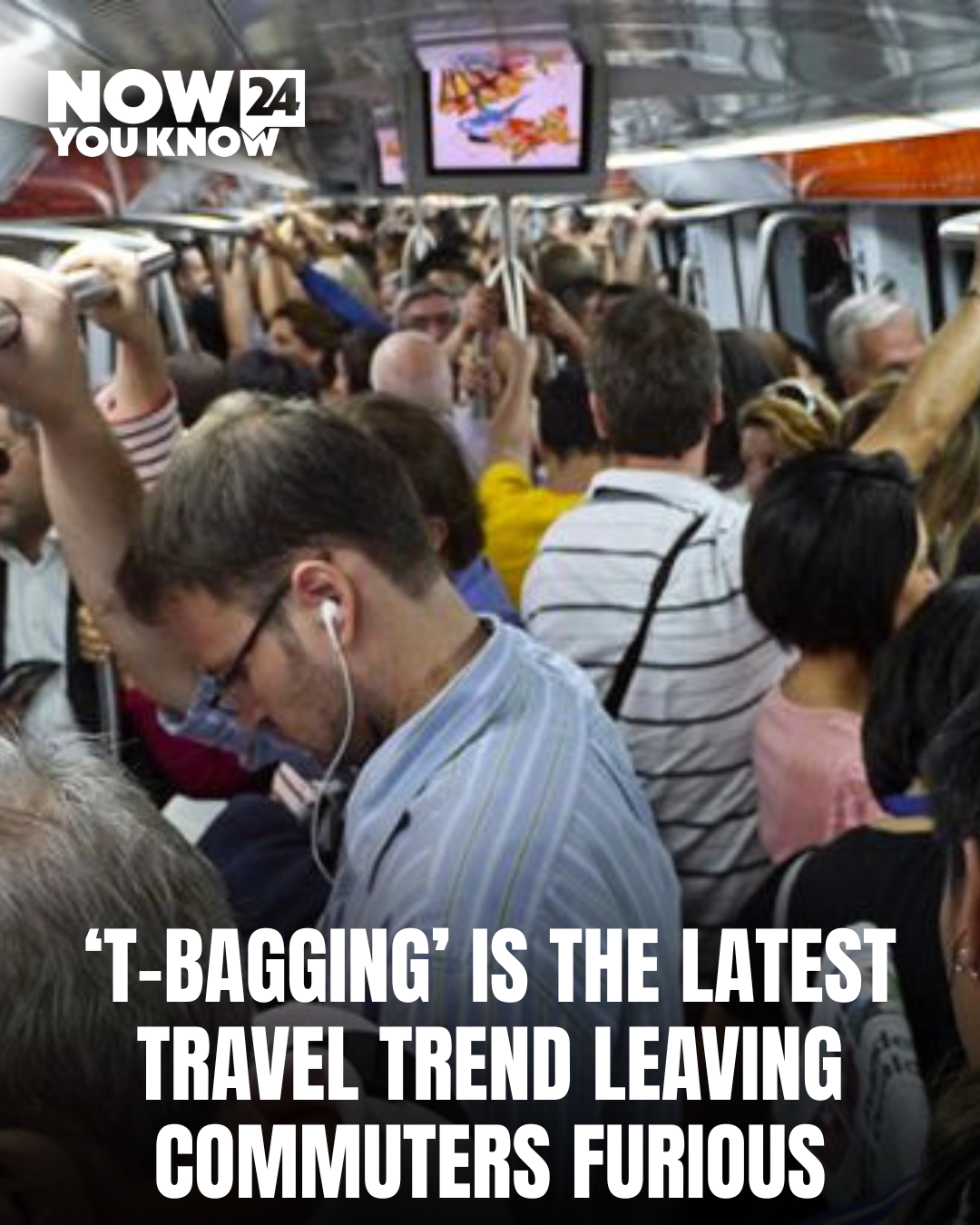

A travel habit nicknamed “T-bagging” is drawing backlash from frustrated commuters across the UK, with many passengers calling the behavior rude, entitled, and increasingly common on crowded trains.
Despite the misleading name, the term has nothing to do with internet slang. Instead, it refers to passengers sitting in reserved train seats that belong to someone else and then reacting negatively when asked to move.
As rail delays and overcrowding continue affecting services across Britain, more travelers say they are encountering so-called “ticket baggers” on a regular basis.
Reserved Seats Becoming a Flashpoint
Many train operators allow passengers to reserve seats for free when booking tickets in advance. However, commuters say some travelers ignore reservation signs entirely and act annoyed when the rightful seat holder arrives.
The issue recently gained traction online after TikTok user Lydia Wilson shared a viral video criticizing the behavior.
In the clip, she explained that passengers should not become irritated when asked to leave a seat they never reserved in the first place, especially since reservations are typically free and easy to arrange.
Social Media Users Side With Reserved Ticket Holders
The discussion quickly spread online, with many regular rail users saying they fully supported asking people to move from reserved seats.
@ktmc89 Honestly its so rude and not acceptable #train #reserved #annoying #rude #british
Some argued that respecting reservations is simply part of basic travel etiquette, especially during busy commuting hours or long-distance journeys.
Others pointed out that exceptions can exist in situations involving elderly, disabled, or pregnant passengers, but said ordinary travelers should not expect special treatment after ignoring reservation systems.
Why the Problem Feels Worse Recently
Commuters say the issue has become more noticeable due to overcrowded services, cancellations, and reduced seating availability on many rail routes.
When trains are packed, passengers sometimes occupy any empty seat available, even if it is clearly marked as reserved. Tensions then rise when the actual passenger arrives and requests the seat they booked.
Travel experts note that public transport etiquette often becomes more strained during periods of disruption and heavy demand.
What Rail Operators Recommend
According to guidance shared by Great Western Railway, passengers dealing with seat disputes are encouraged to contact onboard staff rather than escalate confrontations themselves.
Rail staff can ask passengers to move, although enforcement powers are limited unless authorities become involved.
Most train companies continue encouraging passengers to check seat reservation indicators before sitting down, especially on long-distance routes.
The Debate Over Travel Etiquette
The controversy has also sparked a broader conversation about etiquette on public transport. Some people argue that reserved seats should always be respected, while others believe empty seats become “fair game” if trains are overcrowded.
Still, many commuters say the real frustration comes not from honest mistakes, but from passengers reacting aggressively or defensively after being politely asked to move.
Conclusion
As discussions around “T-bagging” continue spreading online, the debate highlights growing tensions around overcrowded public transport and basic travel courtesy.
For many regular commuters, the issue is simple: if someone reserved the seat, it should probably be theirs when they arrive.