




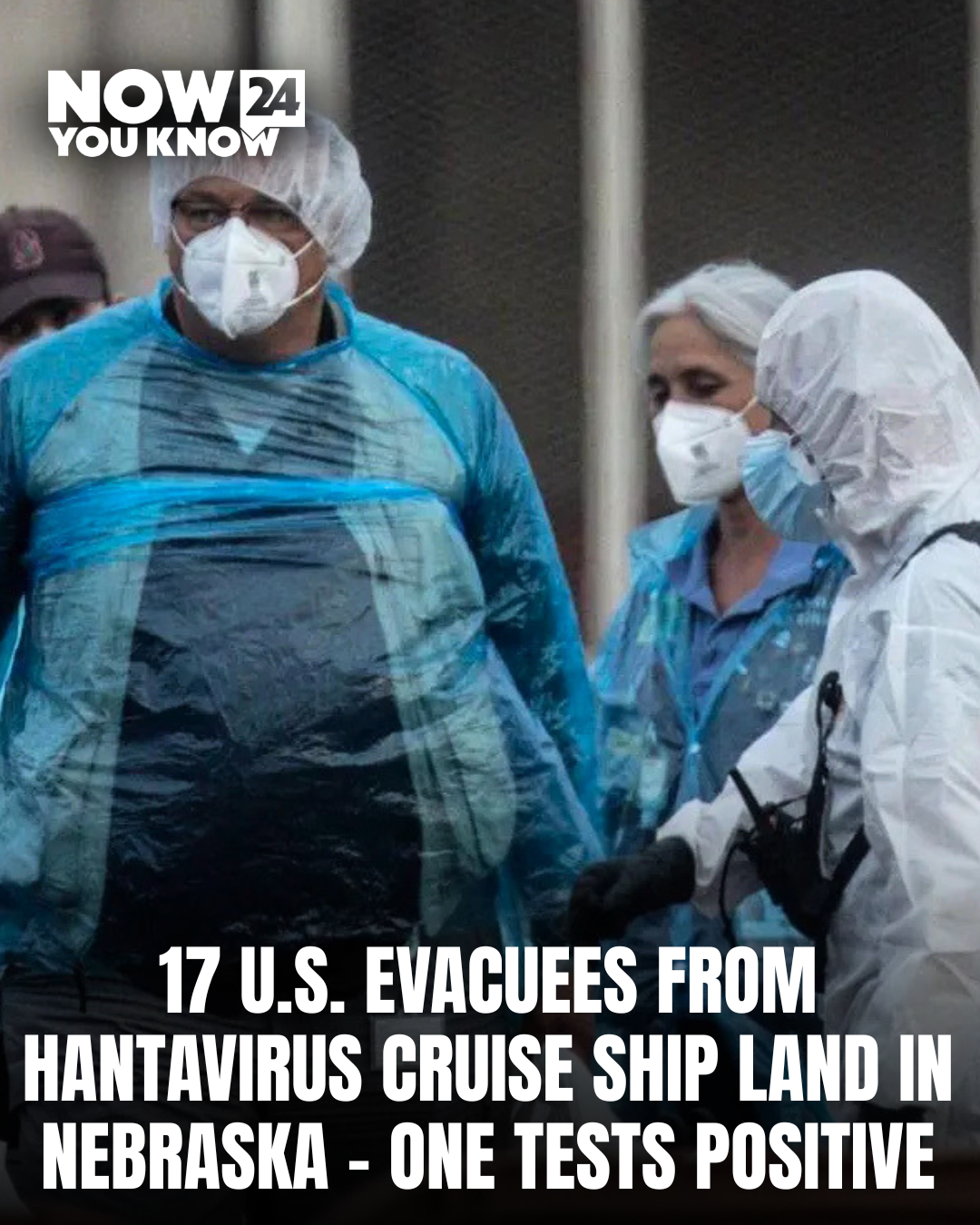

The domestic response to the international Hantavirus outbreak intensified early Monday, May 11, 2026, as 17 American passengers arrived at Eppley Airfield in Omaha, Nebraska. The group was evacuated from a cruise ship currently docked in Tenerife, Spain, following a deadly outbreak of the Andes virus, a specific and highly dangerous strain of Hantavirus.
Of the 17 arrivals, health officials have confirmed that one passenger has tested positive via PCR testing, while another is exhibiting mild symptoms. Both were isolated in specialized biocontainment units during the flight.
The Nebraska Biocontainment Unit: Why Omaha?
The evacuees were immediately transported to the University of Nebraska Medical Center (UNMC). This facility was chosen because it houses the National Quarantine Center and one of the nation’s most advanced Regional Emerging Special Pathogen Treatment Centers.
-
The Positive Patient: The passenger who tested positive for the Andes virus is being treated in a high-level biocontainment unit, physically isolated from the rest of the hospital to prevent any risk of transmission.
-
The Symptomatic Patient: The individual showing mild symptoms is under strict observation and “clinical assessment.”
-
The Group: The remaining 15 passengers will be monitored at the UNMC’s quarantine wing. While the CDC initially stated that asymptomatic passengers would not be tested, the presence of a positive case and a symptomatic individual in the group has led to a re-evaluation of those protocols.
Understanding the Threat: The Andes Virus
The specific strain identified in this outbreak, the Andes virus, is particularly concerning to health officials. While most Hantaviruses in North America (like the Sin Nombre virus) are spread strictly through contact with rodent droppings or urine, the Andes virus—native to South America—is the only strain known to be capable of person-to-person transmission.
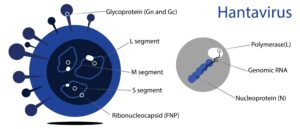
The virus typically leads to Hantavirus Pulmonary Syndrome (HPS), a severe respiratory disease. Early symptoms include fever, fatigue, and muscle aches, but it can rapidly progress to severe shortness of breath as lungs fill with fluid.
The Evacuation Timeline
-
Sunday, May 10: Passengers disembarked in Tenerife, wearing full Personal Protective Equipment (PPE), including gowns and face masks.
-
Monday, May 11 (2:30 AM): The State Department-operated flight landed in Omaha.
-
Current Status: All 17 individuals are under the jurisdiction of the Department of Health and Human Services (HHS) and the CDC for a mandatory observation period, likely to last at least 14 to 21 days based on the virus’s incubation period.
| Feature | Standard U.S. Hantavirus | Andes Virus (The Current Outbreak) |
| Primary Vector | Deer Mouse / Rodents | Rodents + Human-to-Human |
| Fatality Rate | ~38% | ~25%–35% |
| Primary Symptom | Pulmonary distress | Pulmonary & Hemorrhagic features |
| Treatment | Supportive care / Ventilators | Supportive care / Biocontainment |