




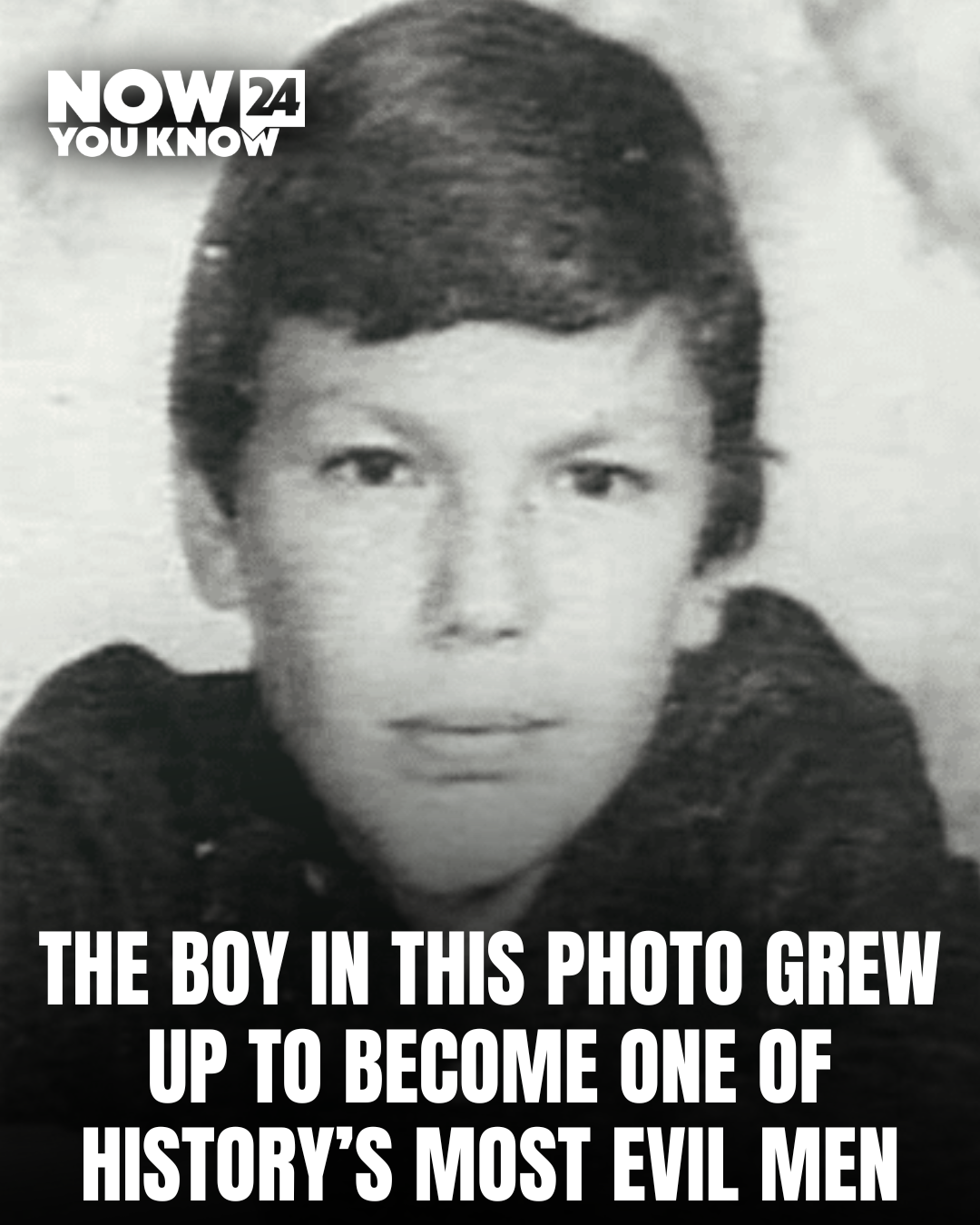

A Childhood That Looked Ordinary From the Outside
He was born on February 29, 1960, in El Paso, Texas, into a large working-class Mexican-American family.
From the outside, his early life looked typical for the region and time. His father worked long hours on the railways, and the family practiced Catholicism.
But behind closed doors, his childhood was defined by instability and violence that would shape everything that followed.
A Violent Home and Early Trauma
His father struggled with severe alcoholism and was often physically abusive. The boy reportedly suffered repeated head injuries before the age of six.
Some accounts describe extreme punishments that left him isolated and afraid, while others note early signs of neurological damage that would later be diagnosed as epilepsy.
By the age of 10, he was already exposed to drugs and alcohol, using them as an escape from his home environment.
Exposure to Violence at a Young Age
At 15, he witnessed a shocking family tragedy when a relative shot and killed his wife during a domestic argument.
Instead of stability, his environment continued to deteriorate. He later dropped out of school and moved between relatives’ homes.
His surroundings became increasingly unstable, exposing him to further criminal influence and disturbing behavior.
Descent Into Crime and Addiction
By his early 20s, he had moved to California. He began using hard drugs heavily and drifted between cities without stable employment or housing.
To support his addiction, he turned to theft and burglary. His lifestyle became increasingly erratic and detached from mainstream society.
At this stage, his criminal activity was escalating, but nothing yet revealed the full scale of what would follow.
The Beginning of a Terror Campaign
In 1984, a series of violent attacks began in California that would later be linked to a single individual.
The crimes escalated quickly, moving from isolated incidents to a sustained pattern of home invasions and extreme violence.
Victims were attacked in their homes during the night, often without warning, across multiple neighborhoods and cities.
A Pattern of Fear and Symbolism
What made the case especially disturbing was the presence of ritualistic and symbolic elements at several crime scenes.
Investigators reported signs that suggested a fascination with dark imagery, which added to the public fear surrounding the attacks.
The violence continued for over a year, with law enforcement struggling to identify a single suspect responsible for the pattern.
The Break in the Investigation
The case shifted when a teenager provided key details about a suspicious vehicle seen near one of the crime scenes.
That information led police to a stolen car, where a fingerprint was recovered.
When matched with existing records, it gave investigators their first solid lead on the suspect’s identity.
Capture and Public Identification
Once authorities released his image, the manhunt quickly came to an end. Members of the public recognized him, leading to his capture in Los Angeles.
He was arrested after being confronted and restrained by local residents before police arrived.
Shortly after, his identity was confirmed as Richard Ramirez.
Trial, Conviction, and Death
Ramirez was later convicted on multiple counts of murder, attempted murder, and assault. He was sentenced to death in 1989.
During his trial, he displayed disruptive behavior and showed no remorse for his actions.
He spent more than two decades on death row before dying in prison in 2013 from cancer-related complications.
The Real Person Behind the Story
From a troubled childhood in Texas to becoming one of California’s most feared criminals, the case of Richard Ramirez remains one of the most studied in modern criminal history.
His life continues to be examined as an example of how early trauma, environment, and personal choices can intersect in devastating ways.