




A Gifted Child Who Seemed Destined for Greatness
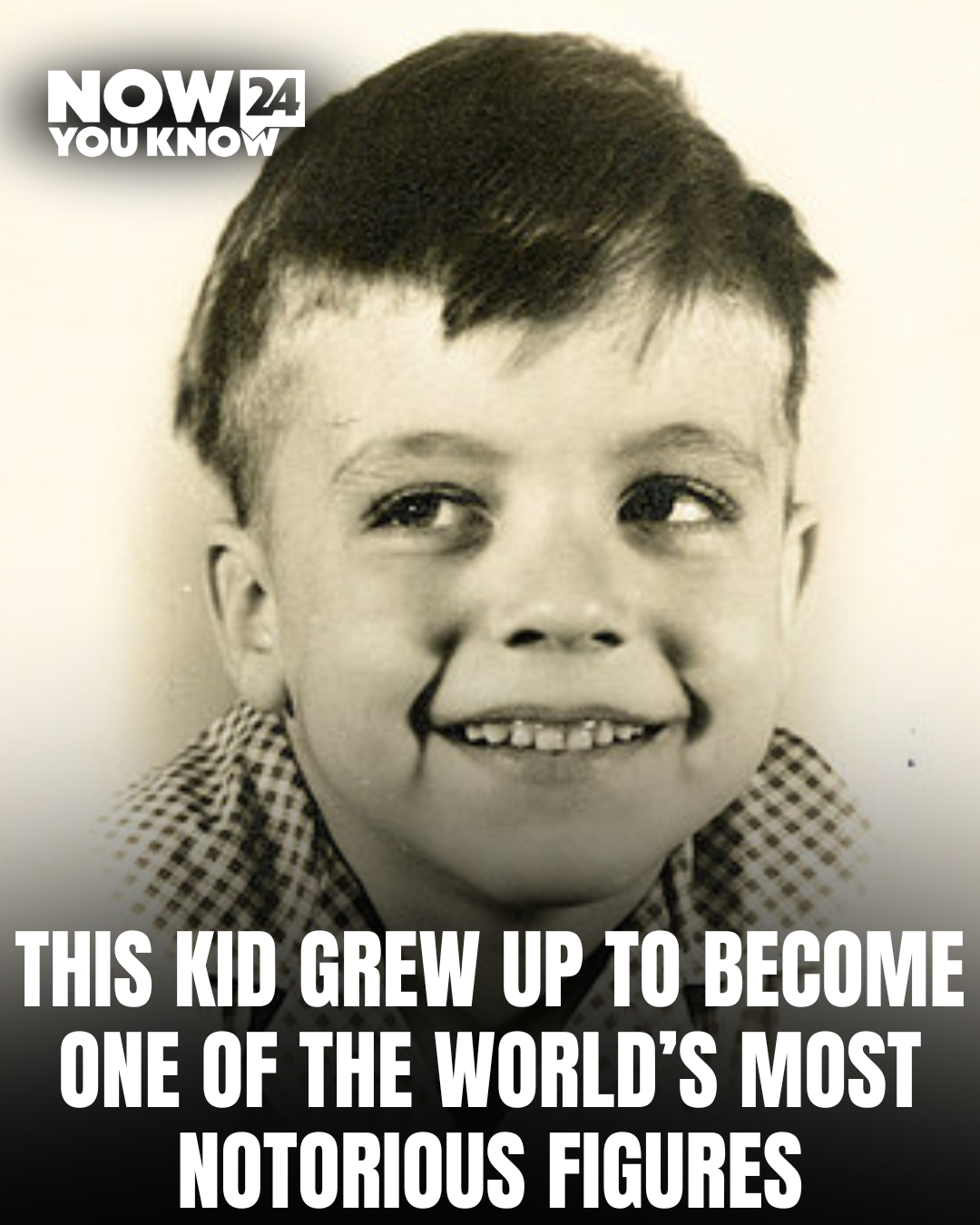
He was born in Chicago in 1942 into a working-class family. From an early age, his intelligence stood out far above his peers.
By elementary school, teachers already noticed he was exceptional. He tested with an IQ reportedly around 167 and quickly began skipping grades.
He was academically advanced enough to be placed far ahead of his age group, which changed his early school experience dramatically.
A Rapid Rise Through Education
By his teenage years, he had already skipped multiple grades and graduated high school at just 15.
He was accepted into Harvard University on scholarship, an achievement that placed him among the most promising young students in the country.
At Harvard, he studied mathematics and continued to perform at a very high academic level, later earning his bachelor’s degree in 1962.
Isolation Begins to Take Shape
Despite academic success, reports from classmates described him as socially withdrawn and isolated.
Some suggested that being placed with older students after skipping grades may have contributed to his difficulty connecting with peers.
He later participated in a controversial psychological study at Harvard that involved intense questioning and emotional pressure, something that would later be heavily scrutinized.
A Brilliant Academic Career That Unraveled
He went on to the University of Michigan, where he earned both his master’s and doctorate in mathematics.
His work was highly praised, and his dissertation was awarded as one of the best of the year. Professors described his abilities as extraordinary.
By 25, he had already become one of the youngest assistant professors at the University of California, Berkeley, and appeared to be on a fast track to tenure.
Sudden Withdrawal From Society
In 1969, he unexpectedly resigned from his academic position. Colleagues described the decision as sudden and unexplained.
After leaving academia, he withdrew further from society and eventually moved toward a life of isolation in rural Montana.
There, he built a remote cabin and began living off-grid, rejecting modern technology and mainstream society.
Over time, his views on industrial development became increasingly extreme, leading to a growing fixation on modern systems and their impact on nature.
A Hidden Life That Spanned Decades
By the late 1970s, a series of violent incidents began to emerge across the United States.
Explosive devices were sent to universities, airlines, and private individuals associated with technology and industry.
Over nearly two decades, these attacks killed three people and injured many others, sparking one of the largest and most expensive investigations in FBI history.
Authorities struggled for years to identify the person responsible, as the devices were carefully constructed and left little trace evidence.
The Break That Ended the Manhunt
In 1995, a long written manifesto was sent to major media outlets, demanding publication.
The text eventually led to a breakthrough when a family member recognized the writing style and alerted authorities.
Linguistic analysis and geographic profiling helped confirm suspicions, narrowing the investigation significantly.
Arrest and Final Years
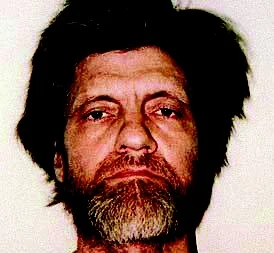
In 1996, federal agents arrested him at his remote cabin in Montana. Inside, they found bomb components, journals, and detailed records of his actions.
He later pleaded guilty in 1998 and was sentenced to life in prison without parole. He spent the rest of his life in federal custody.
In 2023, he died in prison at the age of 81.
Identity Reveal
The man behind this extraordinary and disturbing life story was Ted Kaczynski, the Unabomber.