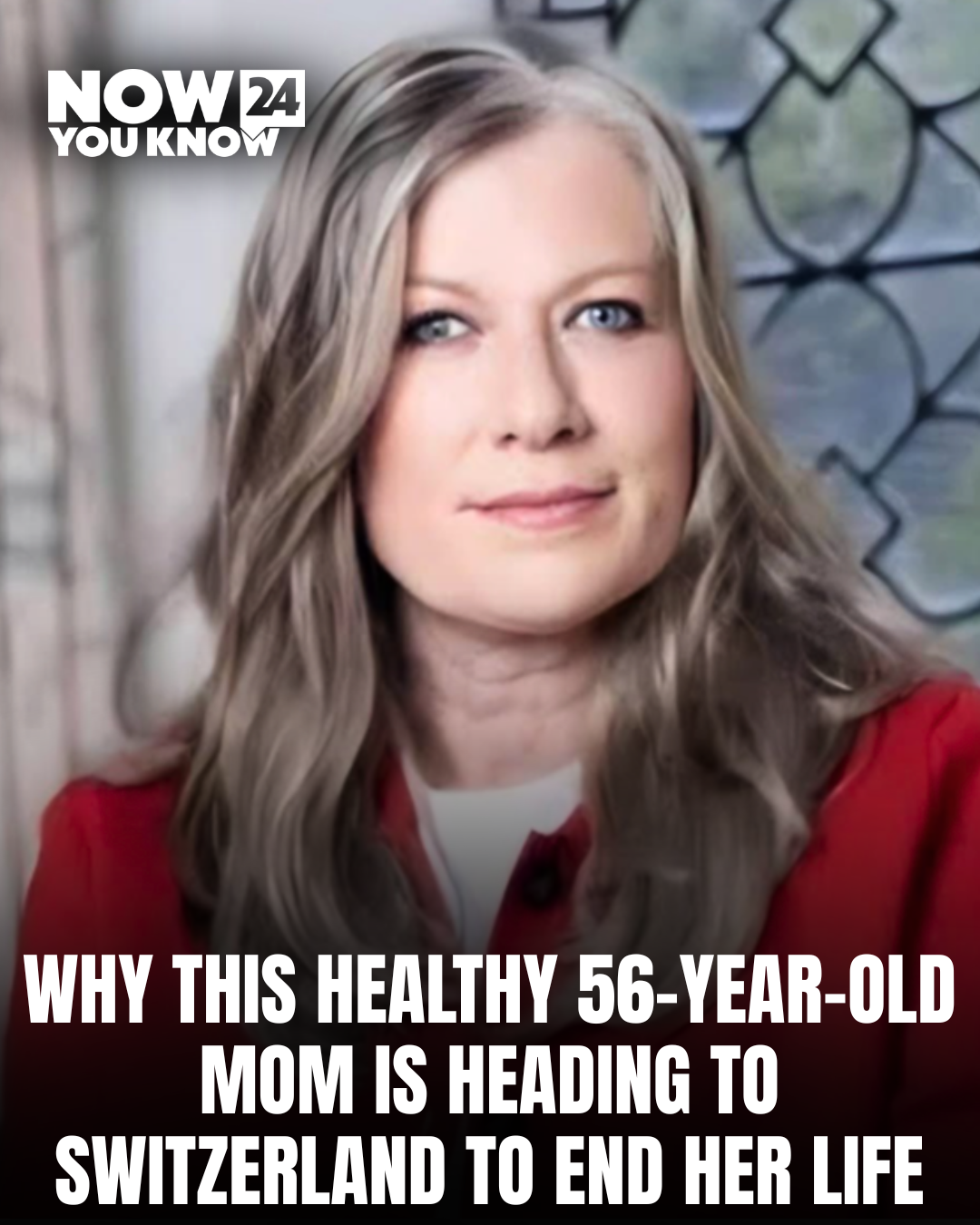

A 56-year-old mother has opened up about her decision to travel to Switzerland for assisted dying — despite being physically healthy — after describing her life as “agony” following the loss of her only son.
Her story is now sparking difficult conversations about grief, autonomy, and the limits of medical intervention.
A Life Changed by Unimaginable Loss
The woman, identified as Wendy, said her life has never been the same since she witnessed her son Marcus choke to death in their living room.
Despite seeking help through medication and counseling, she says nothing has been able to ease the pain.
“You can take all the pills, you can go to all the counselling in the world – and I did,” she explained. “Ultimately, they can’t help you… my life is agony.”
Wendy added that while she is surrounded by loved ones, the emotional weight of her loss has made it impossible for her to move forward.
“I Don’t Want to Be in This World Without Him”
In deeply emotional comments, she described how she still speaks to her son every night.
“I sit and talk to Marcus… I kiss the box I had made for his ashes and say ‘goodnight, sunshine,’” she said. “I don’t want to be in this world without you.”

Her words paint a picture of grief that, for her, has not softened with time — only deepened.
How the Assisted Dying Process Works
Wendy has been approved to undergo assisted dying at a clinic in Switzerland, one of the few countries where the practice is legally permitted under strict conditions.
She explained that the process requires the individual to take the final step themselves.
“I have to administer the medication myself — that’s what the law says,” she said.
“Within a minute, you are in a coma, and a minute after that, you are gone.”
Swiss law allows assisted dying as long as the person has decision-making capacity and the assistance is not driven by selfish motives.
A Controversial and Emotional Debate
Cases like Wendy’s continue to raise complex ethical questions, especially in countries like the UK where assisted dying remains heavily debated.
While some argue that individuals should have the right to choose how and when they die, others believe more support should be provided for those dealing with extreme grief and mental suffering.
Her case is particularly striking because she is not physically ill — highlighting the growing discussion around whether psychological pain alone should qualify.
A Decision Years in the Making
Wendy’s approval came after a lengthy application process, with her grief ultimately deemed severe enough to meet the criteria.
She has already traveled to Switzerland to move forward with her decision.
As her story spreads, it continues to divide opinion — with some expressing deep sympathy, while others question whether enough has been done to help her find another path forward.