
Why Some Names Stick Instantly
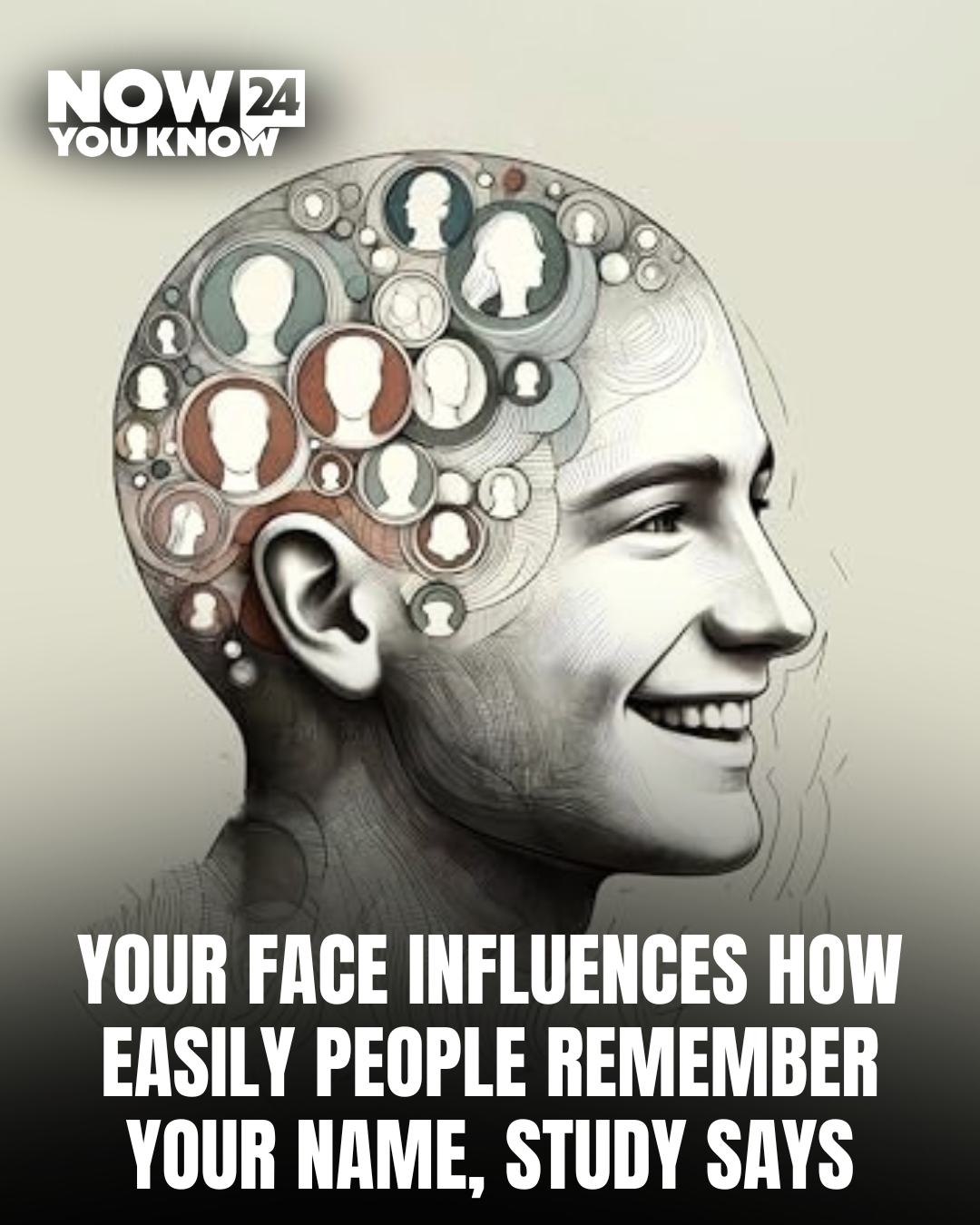
A new study in Journal of Experimental Psychology: Learning, Memory, and Cognition suggests that remembering someone’s name may depend less on effort and more on how memorable their face is.
Researchers found that certain faces naturally make it easier for people to recall associated names.
The Science Behind “Memorable” Faces
The study focused on the concept of intrinsic memorability, which refers to how likely something is to be remembered regardless of effort. According to lead researcher Andrew Cook, some images are consistently easier for people to remember than others.
This led scientists to test whether that “stickiness” could extend to names.
How the Experiments Worked
Participants were shown images of faces paired with first names and later asked to recall them. The results showed a clear pattern.
Names linked to highly memorable faces were recalled far more often than those paired with less distinctive faces.
A Surprising Limitation
Interestingly, the same effect did not apply when names were paired with memorable images of places or scenes. Even when participants easily remembered the images themselves, it did not improve their ability to recall the associated names.
This suggests the brain may treat faces differently from other visual information.
A Special Link Between Faces and Names
Further experiments confirmed that faces have a unique connection to memory. When researchers paired memorable faces with different types of information, including city names, recall still improved.
This pattern did not repeat when non-face images were used.
Real-World Implications
While the study was conducted in controlled conditions, the findings could have practical uses. Experts say it may help explain why some people are easier to remember in social or professional settings.
It could also have applications in education, marketing, and communication strategies.
Not Just About Memory Skills
Researchers emphasize that forgetting a name is not always a personal failure. External factors, like how distinctive a face appears, play a major role in memory.
This shifts the way scientists think about how memory works in everyday life.
What Comes Next
Future research will explore how this effect applies in real-world interactions, where movement, conversation, and emotion all come into play.
For now, the findings highlight a simple idea: remembering a name may depend just as much on who you’re looking at as how hard you try.