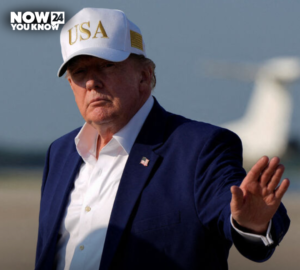

President Donald Trump reportedly stunned several Middle Eastern leaders during a recent conference call after introducing an unexpected condition tied to efforts to end the conflict with Iran.
According to reports, the discussion involved leaders from Saudi Arabia, the United Arab Emirates, Qatar, Pakistan, Turkey, Egypt, Jordan, and Bahrain as negotiations continued over a potential long-term agreement with Iran.
A Region Still Facing Tensions
The call took place amid ongoing diplomatic efforts to stabilize the region following months of conflict involving Iran, Israel, and the United States.
One major issue remains the future of the Strait of Hormuz, a critical shipping route for global energy supplies that has faced disruptions during the crisis.
The Demand That Changed the Conversation
According to Axios, Trump told the assembled leaders that once a peace agreement with Iran is reached, he would like countries that do not currently recognize Israel to move toward normalizing relations through agreements similar to the Abraham Accords.
The Abraham Accords, first signed in 2020, established diplomatic relations between Israel and several Arab nations, including Bahrain and the UAE.
An Unexpected Silence
Reports citing U.S. officials familiar with the call claim Trump’s proposal was met with a lengthy silence from some participants.
According to those accounts, the pause lasted long enough that Trump reportedly joked by asking whether everyone was still on the line before continuing the discussion.
Why the Proposal Is Sensitive
Several countries involved in the call, including Saudi Arabia, Qatar, and Pakistan, do not currently have diplomatic relations with Israel.
For years, many governments in the region have maintained that progress toward Palestinian statehood would be necessary before any normalization agreement could be considered.
Trump’s Longstanding Goal
Expanding the Abraham Accords has remained one of Trump’s key foreign policy objectives. Following the reported call, he publicly thanked Middle Eastern leaders for their cooperation and again expressed hope that more countries would eventually join the agreements.
Analysts note that while broader normalization remains a major U.S. objective, significant political and diplomatic obstacles still stand in the way.
What Happens Next?
Officials reportedly said further discussions on the issue will continue in the coming weeks as negotiators work toward a broader regional settlement.
Whether Trump’s proposal gains traction remains uncertain, but the reported silence on the call highlights just how complicated the issue remains across the Middle East.