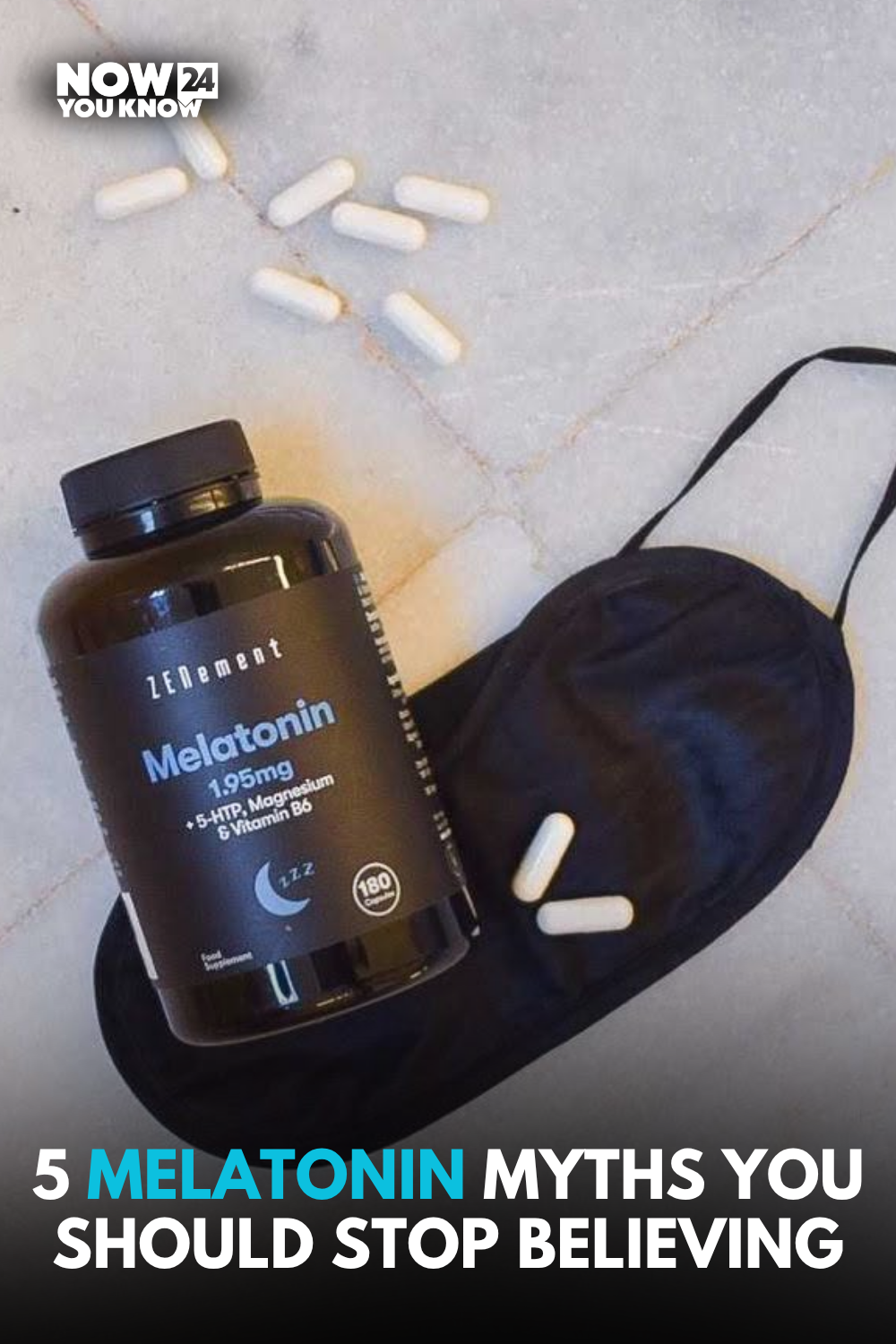

Millions of people turn to melatonin supplements when they have trouble sleeping, but there’s also plenty of confusion about how they actually work. From claims that they can become addictive to rumors that they stop your body from producing its own melatonin, it’s easy to separate fact from fiction. Here’s what current evidence says about some of the most common melatonin myths.
Myth #1: Melatonin Works Like a Sleeping Pill
Unlike prescription sleeping medications, melatonin doesn’t force your body to fall asleep. Instead, it’s a hormone naturally produced by your brain that helps regulate your internal body clock. As evening approaches, melatonin levels naturally rise, signaling that it’s time to prepare for sleep. Supplements simply support this natural process rather than acting as a sedative.
Myth #2: Taking Melatonin Stops Your Body From Making Its Own
A popular claim online suggests that regular melatonin use causes your brain to stop producing the hormone naturally. However, there’s currently no strong scientific evidence showing that typical melatonin supplementation permanently shuts down your body’s own production. Most experts agree that short-term use does not appear to create this kind of dependence.
Myth #3: Melatonin Is a Proven Pain Reliever
Some people take melatonin hoping it will ease chronic pain, but the research is mixed. While improving sleep may help some people feel better overall, there isn’t enough evidence to recommend melatonin as a pain treatment. If you’re dealing with ongoing pain, it’s important to discuss proven treatment options with your healthcare provider.
Myth #4: It’s Safe to Take Every Night Forever
Melatonin is generally considered safe for short-term use, especially when used to help with jet lag or temporary sleep problems. However, scientists still know relatively little about its long-term effects. Some people experience side effects such as headaches, dizziness, nausea, or daytime sleepiness. If sleep problems continue for weeks or months, it’s worth talking to a healthcare professional rather than relying on supplements alone.
Myth #5: Because It’s Natural, You Don’t Need to Tell Your Doctor
Many people assume that because melatonin is available without a prescription, it’s completely harmless. In reality, melatonin can interact with certain medications, including blood thinners, diabetes medications, some seizure medications, and birth control pills. It may also not be suitable during pregnancy or while breastfeeding. That’s why it’s always a good idea to let your healthcare provider know about any supplements you’re taking.
When Melatonin May Help
Melatonin supplements are most commonly used to support people dealing with jet lag, shift work, or temporary disruptions to their sleep schedule. They may also help some individuals with certain sleep disorders, but they aren’t a cure-all for chronic insomnia or poor sleep habits.
The Bottom Line
Melatonin can be a helpful tool for improving sleep in the right situations, but it’s not a magic solution. Understanding what it can and can’t do allows you to use it more safely and effectively. If you’re experiencing ongoing sleep problems, persistent fatigue, or frequent insomnia, it’s best to seek medical advice to identify the underlying cause.