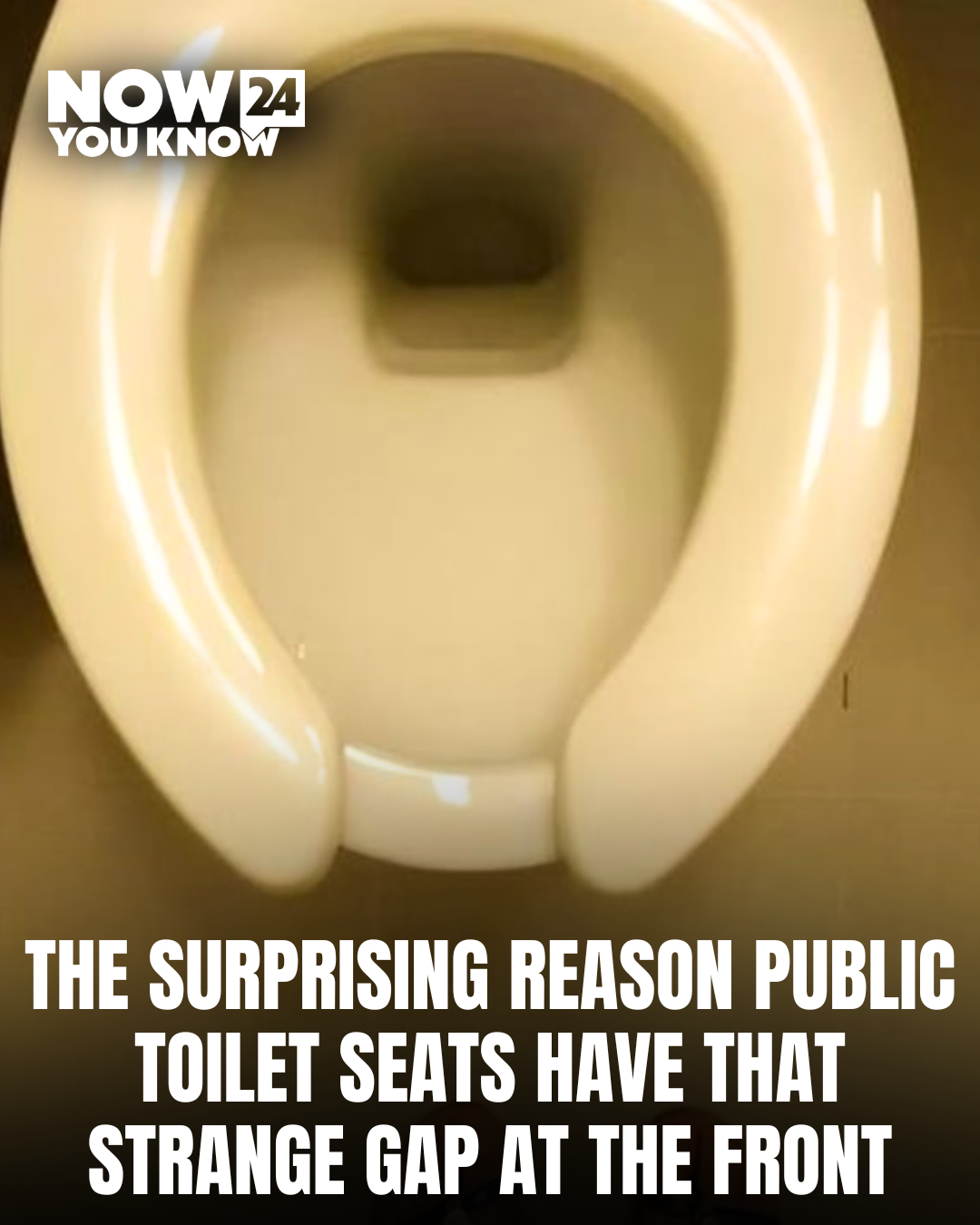

Most people have used a public restroom thousands of times without ever questioning one of its most recognizable features: the gap at the front of the toilet seat.
The unusual U-shaped design is common in public bathrooms across the United States, from airports and shopping malls to restaurants and office buildings. While many assume it’s simply a design choice, the opening actually serves several practical purposes.
A Design Required by Plumbing Codes
The open-front toilet seat isn’t an accident. In fact, U.S. plumbing codes have required this style in many public restrooms for decades.
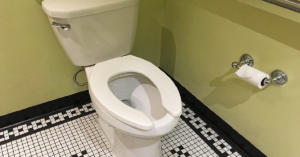
The American Standard National Plumbing Code first introduced guidelines for open-front seats in the 1950s, and similar requirements remain part of many building codes today. The goal was to improve hygiene and make public restrooms easier to maintain.
The Hygiene Advantage
One of the main benefits is reducing direct contact between users and the toilet seat. By removing the front section, there is less shared surface area, which can help limit the spread of germs in high-traffic public facilities.
The design also helps reduce the likelihood of urine collecting around the front edge of the seat, making the fixture easier for cleaning staff to sanitize throughout the day.
Why It Helps Users Too
According to plumbing and sanitation experts, the opening was also designed to provide more room for personal hygiene without requiring users to make contact with the front of the seat.
The extra space can make it easier for people to clean themselves comfortably while seated and may help reduce accidental contact with potentially contaminated surfaces.
Not Just About Cleaning
While easier maintenance is often cited as the reason behind the design, experts say accessibility and user comfort also played important roles in the decision.
The opening can provide additional clearance for users and makes it easier for those who place toilet paper on the seat before sitting down, a habit many people still follow in public restrooms.
A Mystery Finally Explained
The debate over public toilet seats regularly resurfaces online, with theories ranging from cost-cutting measures to attempts at improving aim. But the real explanation is far less mysterious.
The next time you notice the gap in a public restroom, you’ll know it’s there for a reason. What many people assumed was an odd design flaw is actually a decades-old feature intended to improve hygiene, accessibility and ease of cleaning in busy public spaces.