
Oil prices climbed sharply on Monday, with Brent crude exceeding $115 per barrel, amid escalating tensions between the United States and Iran. The increased volatility follows fresh military strikes and ongoing geopolitical conflicts in the Middle East, marking the fifth week of intense clashes involving Iran and its regional allies.
As of early Monday trading, Brent crude May contracts rose approximately 1.9%, reaching around $115 per barrel after earlier approaching $117. Meanwhile, West Texas Intermediate (WTI) contracts gained about 1.6%, trading near $101 per barrel, having briefly surpassed $103 earlier in the session.
Tensions were further heightened when former US President Donald Trump issued new threats on social media, warning that the US might destroy Iran’s energy infrastructure, including electric generating plants, oil wells, and the key export hub of Kharg Island, should negotiations to end the conflict fail. Trump cited retribution for what he claimed were decades of Iranian attacks on American and allied forces.
Trump also expressed interest in seizing Iranian oil assets, indicating that occupying Kharg Island was among potential options. He acknowledged that such a move would require a prolonged US presence in the region. These statements came shortly after Trump suggested that a deal to resolve the conflict was close to being reached.
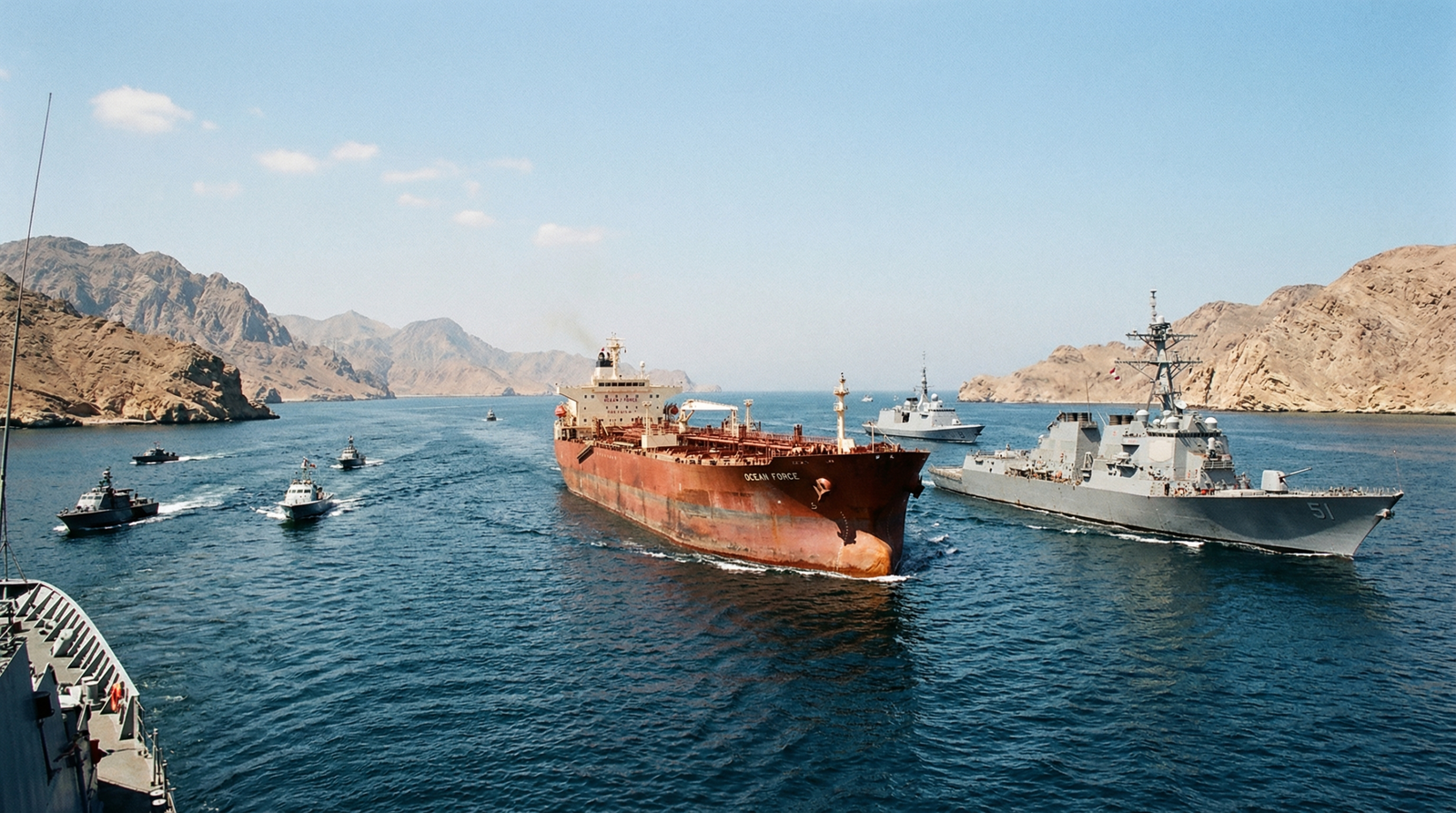
This escalation follows the closure of the Strait of Hormuz by Iran in retaliation for earlier US and Israeli airstrikes on Iranian targets at the end of February. The strait is a crucial chokepoint through which roughly 20% of the world’s oil and liquefied natural gas supplies transit. Further complicating the situation, several key Middle Eastern oil facilities have sustained damage during the ongoing clashes, intensifying concerns about global supply disruptions.
The conflict has also expanded to include Iran-backed Houthi forces in Yemen, who launched missile and drone attacks on Israel over the weekend. The Yemeni Armed Forces confirmed these strikes, highlighting the widening scope of the conflict.
In the United States, fuel prices have climbed noticeably, with the national average price for gasoline reaching approximately $3.99 per gallon on Monday, up from $2.98 in February. To counteract market fears, the International Energy Agency recently released 400 million barrels of oil from strategic reserves.
US Energy Secretary Chris Wright stated earlier in March that the war was unlikely to be prolonged, but no formal resolution has been announced. Meanwhile, reports indicate that the Pentagon is preparing for potential ground operations in Iran, reflecting growing military involvement.
These developments have affected global financial markets, with Asian stock indices such as Japan’s Nikkei 225 and South Korea’s Kospi falling around 3%, and Hong Kong’s Hang Seng Index declining nearly 1%. Conversely, European stock markets showed modest gains, with Germany’s DAX, Britain’s FTSE 100, and France’s CAC 40 all rising slightly. Futures for major US stock indices also increased by approximately 0.5%.
Commodity prices responded to the heightened uncertainty, with gold rising 1.5% to about $4,590 per troy ounce and silver increasing by 2.3% reaching $71.40. Market analysts note that the involvement of Iran-backed groups and the buildup of US troops are indicators of an intensifying conflict rather than a resolution. The situation’s unpredictability continues to influence global economic conditions and energy markets.