
H-1B visa applications submitted by major technology companies experienced a notable decline in the final months of 2025 compared to the same period in 2024. This drop coincides with newly implemented visa restrictions and a series of workforce reductions within the tech industry.
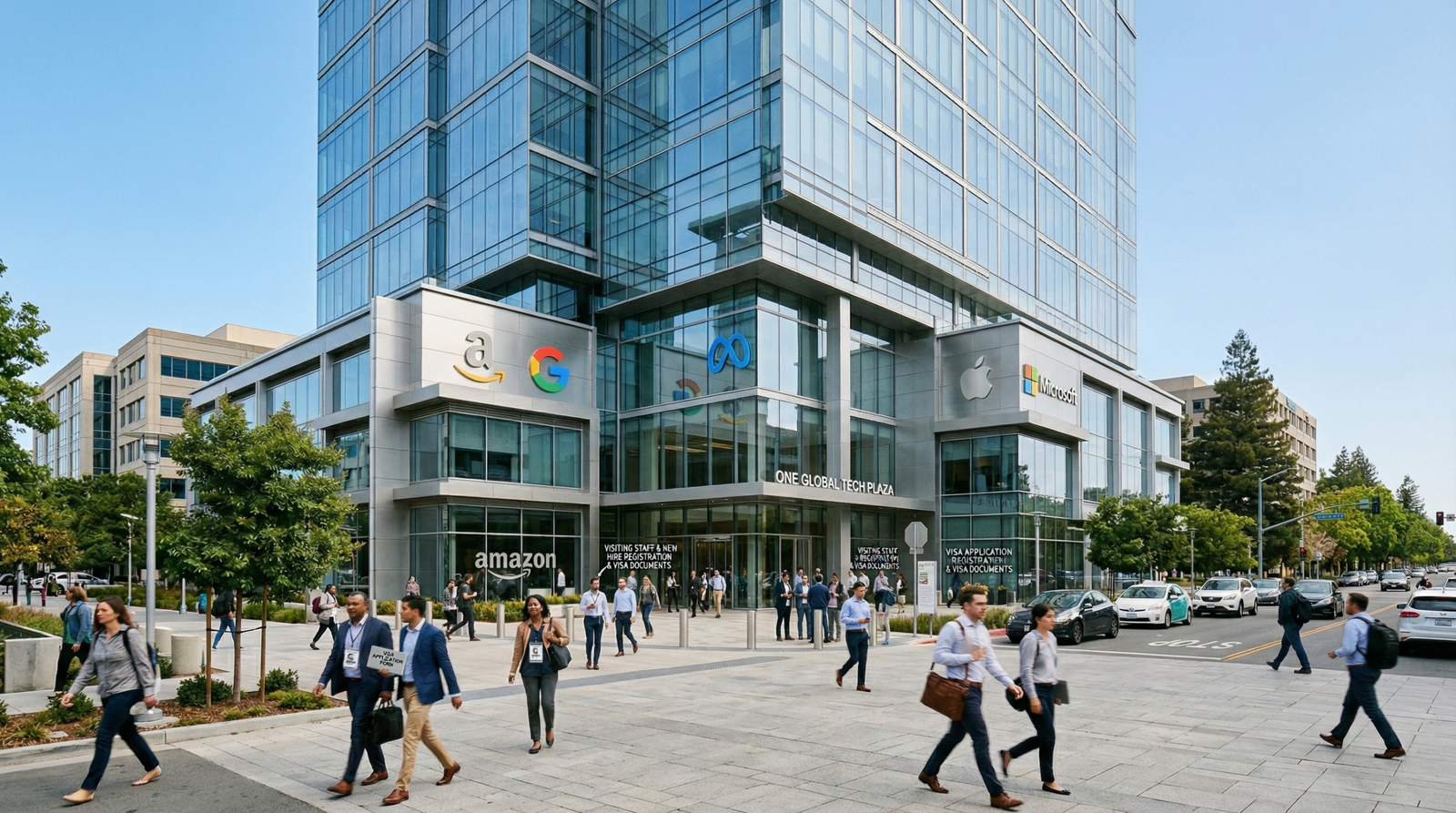
Department of Labor data indicates that prominent firms such as Amazon, Google, Meta, Apple, and Microsoft certified fewer H-1B visa petitions in the first quarter of fiscal year 2026, which runs from October through December. Among these, Amazon’s certified applications fell sharply from 4,647 in Q1 2025 to 3,057 in Q1 2026. Google and Meta saw their certified filings reduced by close to 50%. Several other companies, including IBM, Salesforce, and Tesla, also reported decreases in their visa petition filings for this period.
The observed decline results from two main factors. Firstly, new regulations enacted under the Trump administration increased the cost and scrutiny of the H-1B program. These changes include a $100,000 fee on petitions for workers residing abroad and a lottery modification favoring applicants with higher salaries. The government indicated these measures aim to minimize fraud and encourage the hiring of U.S. workers. However, the stricter requirements have made the program more complex and expensive for employers.
Secondly, the reduction reflects broader staffing shifts in the technology sector. In recent years, companies that expanded their workforces substantially are now scaling back, implementing hiring freezes and conducting multiple rounds of layoffs. For example, Amazon eliminated approximately 30,000 corporate roles over late 2024 and early 2025, Meta reduced hundreds of positions in early 2026, Microsoft cut 15,000 employees between May and July 2025, and Google underwent smaller layoffs across that period.
These job cuts contribute to decreased demand for foreign workers, leading firms to be more selective when sponsoring H-1B visas, focusing on specialized roles or existing visa holders already in the country. Legal experts note that H-1B filings typically increase in the spring quarters during the lottery period, suggesting that recent figures might not represent the full annual trend.
One notable exception is Nvidia, which increased its H-1B filings from 369 in the first quarter of 2025 to 434 in the same quarter of 2026. Nvidia’s CEO Jensen Huang has committed to continuing hiring foreign talent despite the new visa fees.
The data presented refers solely to applications certified by the Department of Labor and does not reflect final visa approvals or lottery outcomes. Additionally, one individual may be associated with multiple filings, and hiring patterns can vary throughout the fiscal year.
Overall, the combined effect of more restrictive visa policies and a leaner tech workforce has contributed to the reduction in H-1B visa filings among the largest U.S. technology companies.