


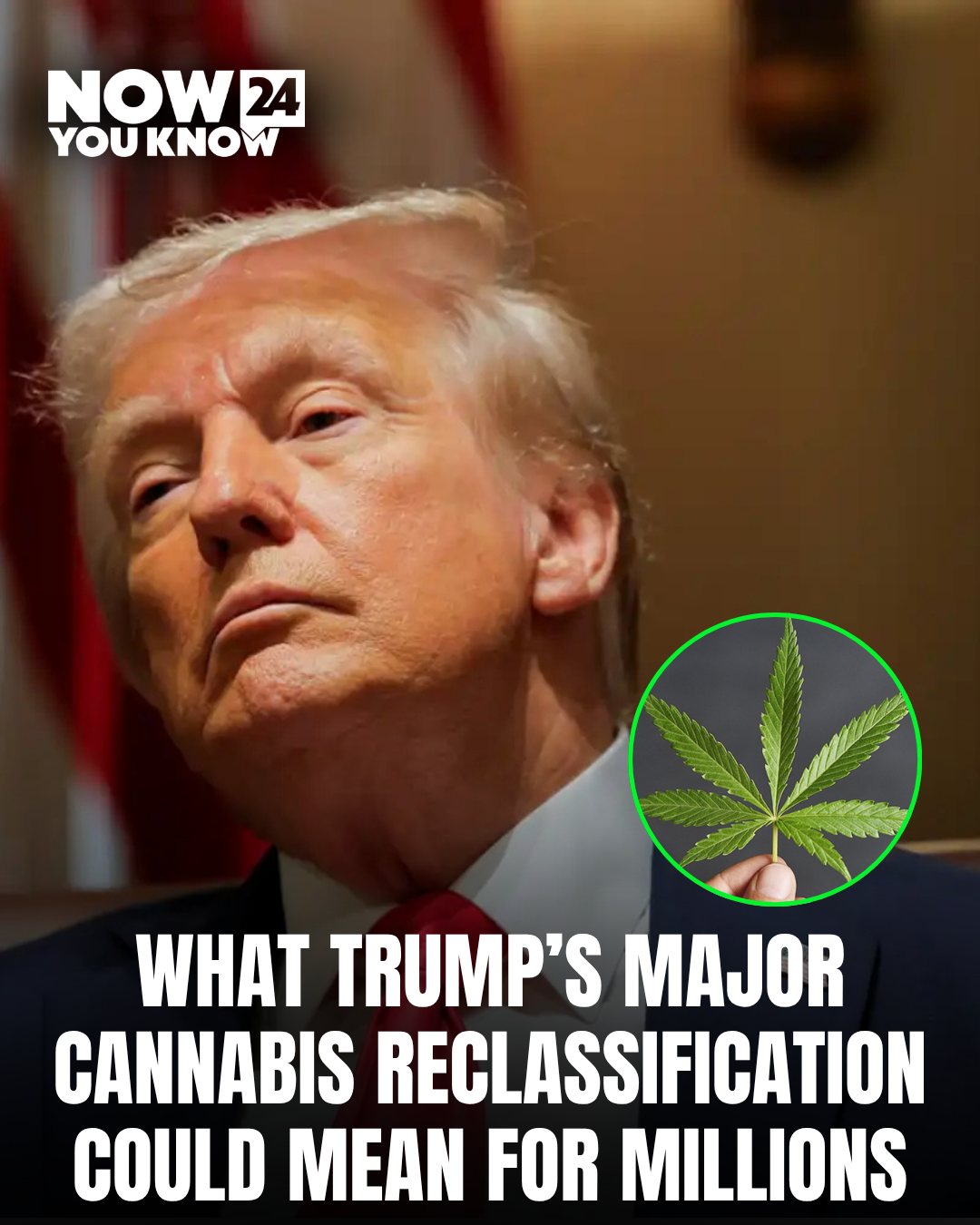

The Trump administration has reclassified medical cannabis under federal drug law, shifting it from Schedule I to Schedule III. It is one of the most significant federal policy changes on marijuana in decades, but it does not legalize cannabis nationwide.
What the Reclassification Means
Under the Controlled Substances Act, drugs are grouped by risk and medical use:
Schedule I: no accepted medical use, high abuse potential\text{Schedule I: no accepted medical use, high abuse potential}
Schedule III: accepted medical use, moderate to low dependence risk\text{Schedule III: accepted medical use, moderate to low dependence risk}
Cannabis has now moved into Schedule III for state-licensed medical programs.
That means the federal government now officially recognizes medical cannabis as having legitimate medical use, even though it remains tightly regulated.
What Still Stays Illegal
Despite the change, federal law has not fully changed.
- Recreational marijuana remains illegal federally
- Non-licensed cannabis products are still treated as Schedule I
- States still control whether cannabis is legal locally
- Federal enforcement rules still apply in many contexts
So, the shift is regulatory, not full legalization.
Who Benefits Most From the Change
Researchers
Medical cannabis was previously in the most restricted category.
That made studies difficult and heavily controlled. Researchers needed special federal approval, which slowed clinical trials.
Now, studies become easier to conduct, especially on:
- pain management
- epilepsy
- anxiety-related conditions
- long-term safety
This could lead to stronger scientific evidence for medical use.
Cannabis Businesses
Companies operating in legal medical states gain major financial relief.
Previously, federal tax law prevented them from deducting normal business expenses.
Now, under Schedule III:
- standard business deductions become available
- tax burdens are expected to drop significantly
- operating costs become more manageable
This could reshape profitability in the medical cannabis industry.
Why the Policy Changed
Officials say the shift is intended to:
- expand medical research
- improve treatment options
- give doctors more reliable clinical data
- modernize outdated federal classifications
Acting Attorney General Todd Blanche said the move supports broader access to medical treatment and research development.
What Happens Next
The change is not the final step.
Federal agencies will begin hearings in June to evaluate whether cannabis should be further rescheduled or possibly removed from the Controlled Substances Act entirely.
That process could take time and face political resistance, especially from lawmakers who argue stronger regulation is still needed due to more potent cannabis products.
The Bigger Picture
Cannabis policy in the U.S. is still split:
- 40 states allow medical marijuana
- 24 states plus D.C. allow recreational use
- 8 states allow limited low-THC products
- Only Idaho and Kansas still ban it entirely
Bottom Line
The rescheduling is a major federal shift, but not full legalization.
It mainly changes:
- how cannabis is studied
- how medical programs are taxed and regulated
- how federal agencies classify medical use
But it does not change the fact that marijuana remains federally illegal in most forms.