
Major Change to Cannabis Laws
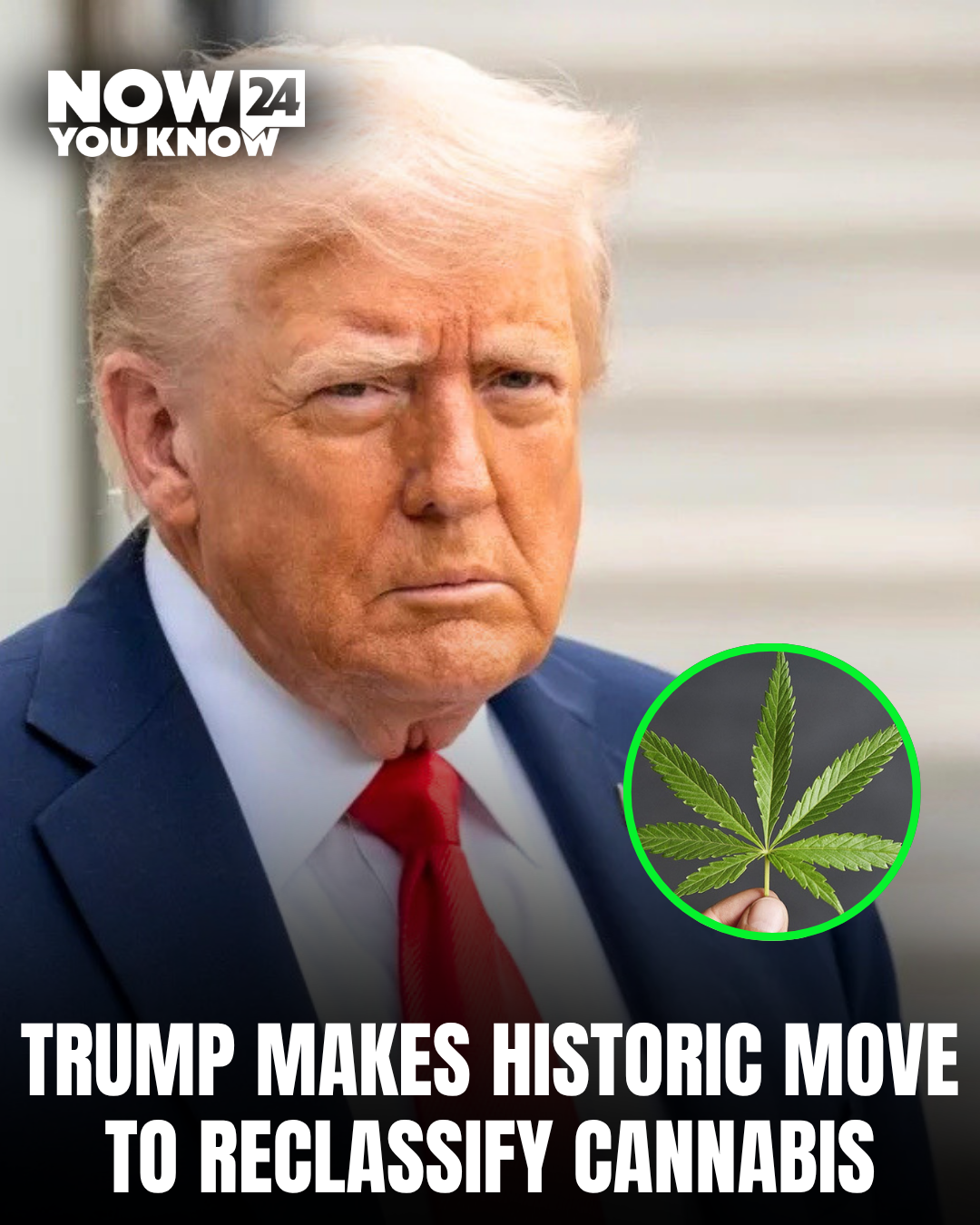
The Trump administration has moved to reclassify cannabis in a significant shift in federal drug policy.
Officials confirmed that certain marijuana products will move from Schedule I to Schedule III under U.S. law. This marks the biggest change in how the federal government treats cannabis in decades.
What the Reclassification Means
Schedule I drugs are considered the most dangerous, with no accepted medical use. Cannabis had long been grouped with substances like heroin under this category.
Under the new classification, cannabis will be treated as a lower-risk substance. This allows more medical research and reduces some regulatory barriers.
However, the move does not legalize marijuana for recreational use at the federal level.
Why the Decision Was Made
The change follows earlier efforts to review cannabis laws and expand research into its medical benefits.
Officials said the goal is to improve access for patients and allow scientists to study the drug more easily.
The decision also reflects growing pressure to modernize outdated policies as more U.S. states allow medical or recreational use.

Impact on Businesses and Research
The reclassification could have a major impact on the cannabis industry. Companies may gain better access to banking and tax relief under federal law.
Researchers are also expected to face fewer restrictions when studying cannabis and its potential medical uses.
Mixed Reactions Across the U.S.
The move has sparked mixed reactions. Some experts see it as a long-overdue step toward reform.
Others argue it does not go far enough, since cannabis remains illegal at the federal level for non-medical use.
What Happens Next
Officials are expected to continue reviewing broader cannabis policies in the coming months.
Further hearings could determine whether additional changes are made to federal law.
For now, the reclassification represents a significant shift, but not a complete overhaul of U.S. cannabis laws.