



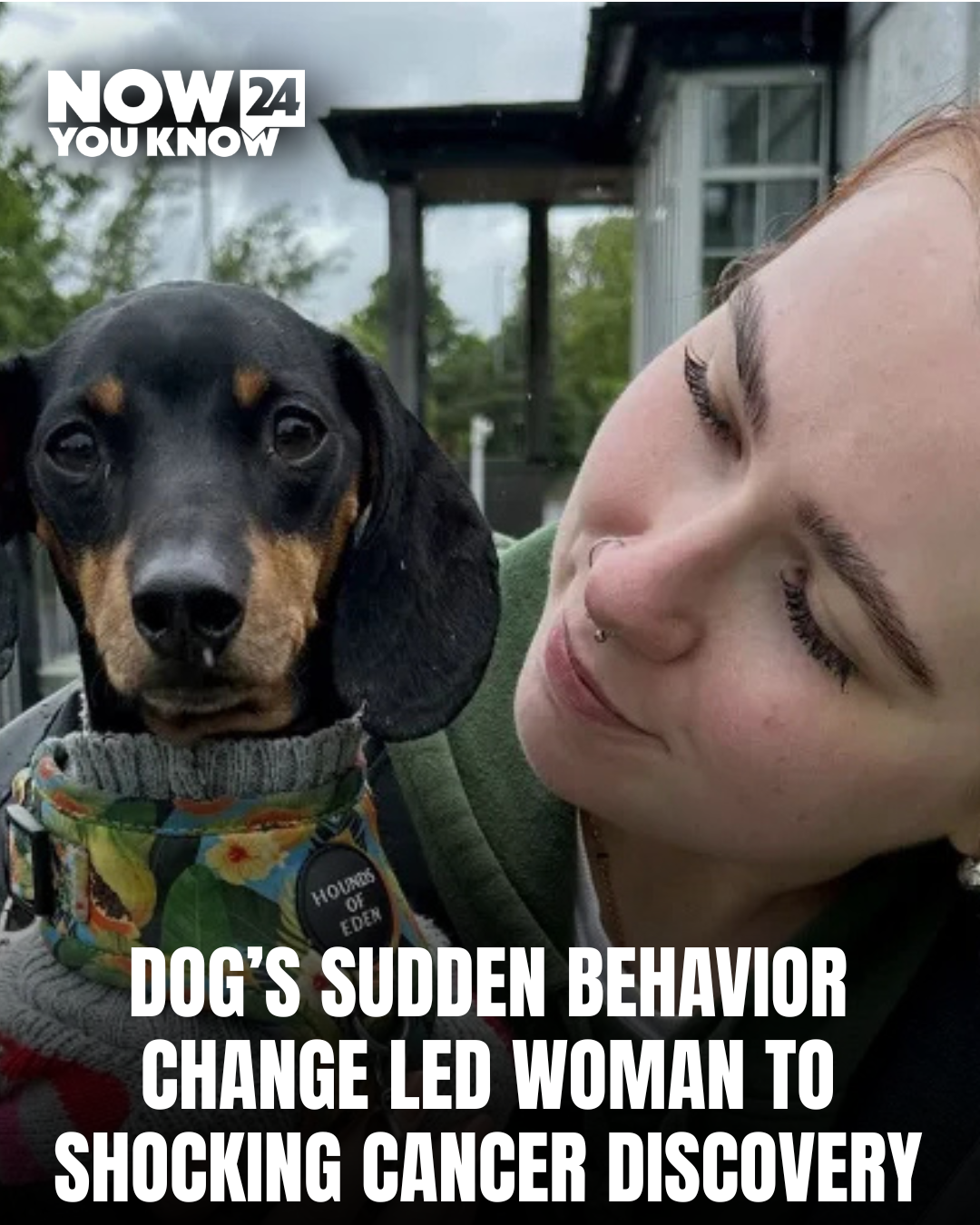

A 26-year-old woman from the U.K. believes her dog sensed something was seriously wrong with her health long before doctors confirmed she had leukemia.
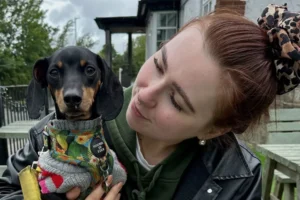
Meg Jones says her miniature dachshund, Samson, suddenly became unusually attached to her during the months leading up to her diagnosis, refusing to leave her side and constantly lying across her stomach.

Symptoms Were First Dismissed
Jones initially began experiencing sharp pain in her left leg and was diagnosed with sciatica.
At first, she tried not to worry, assuming the discomfort was manageable. But over time, the pain worsened and new symptoms started appearing, including night sweats and unexplained rashes.
She later admitted she felt something was “off,” even though early explanations suggested nothing serious.
Dog’s Behavior Suddenly Changed
Around the same time, Samson’s behavior changed dramatically.
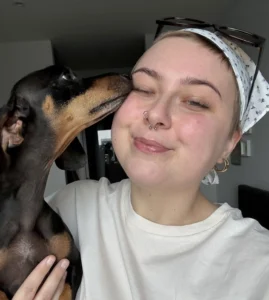
According to Jones, the dachshund had always been somewhat independent, but he suddenly became extremely clingy and protective.
She said he constantly wanted to lie on top of her stomach, sometimes refusing to move unless her partner physically picked him up.
Blood Tests Revealed Acute Leukemia
Concerned by her worsening symptoms, Jones went to Wythenshawe Hospital in Manchester, where doctors performed blood tests.
In June 2024, she was diagnosed with acute leukemia.
She described the moment as shocking and surreal, saying it took time for the reality to sink in after hearing the diagnosis.
Doctors Said Dogs Can Detect Illness
After her diagnosis, Jones mentioned Samson’s unusual behavior to medical staff.
She said doctors explained that animals have been known to detect certain illnesses through scent changes in the body.
Research has shown dogs can sometimes identify chemical changes linked to diseases, including some cancers, through smell.
Samson’s Behavior Shifted During Treatment
Jones underwent chemotherapy and entered remission in October 2024.
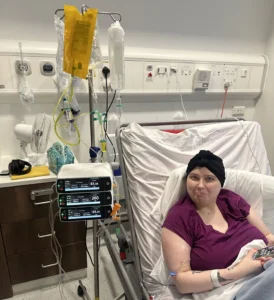
Interestingly, she noticed Samson’s behavior changed again during treatment. Instead of lying directly on her, he would quietly sit beside her.
Her cancer later returned in 2025, leading to CAR T-cell therapy, a specialized treatment that uses modified immune cells to target cancer.
She is now reportedly cancer-free.
Emotional Recovery Still Ongoing
Although her treatment has ended, Jones says the emotional and psychological effects remain difficult.
She explained that she sometimes struggles socially, loses her train of thought, and finds conversations harder than before.
Her experience reflects the lasting mental toll serious illness can have, even after physical recovery.
Her Message to Others
Jones now encourages people not to ignore symptoms that feel unusual or persistent.
She said she spent time dismissing warning signs before eventually seeking further medical help.
Looking back, she believes both her instincts and Samson’s unusual behavior were signals that something deeper was happening.