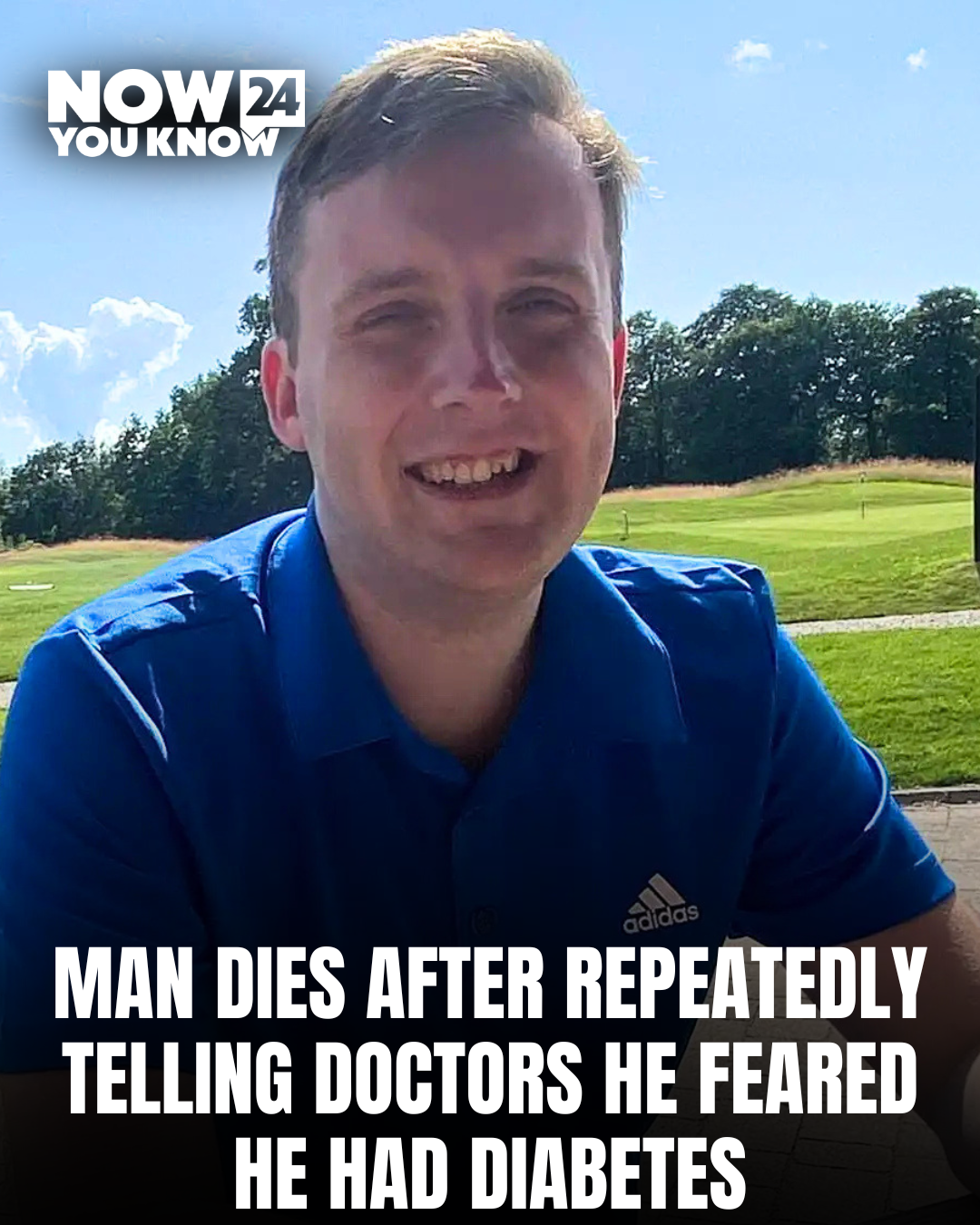

A 30-year-old man from Leeds died just days after repeatedly contacting medical services with symptoms he believed could be diabetes.
Joshua Haines had called a GP three times on March 16, 2025, reporting severe dehydration, vomiting, and slurred speech.
Symptoms Dismissed as Less Serious Illness
Despite his concerns, medical staff initially advised him to contact the non-emergency NHS 111 service rather than attending a face-to-face appointment.
Doctors later said his symptoms were initially thought to be related to a stomach virus rather than a more serious condition.
A Rapid and Fatal Condition
Just three days later, he was found dead at home.
An inquest later confirmed he died from diabetic ketoacidosis, a life-threatening complication of undiagnosed type 1 diabetes that can develop rapidly without treatment.
Missed Opportunities in Care
The coroner noted that there were “missed opportunities” to escalate his care, including not arranging an urgent in-person assessment or emergency response.
However, it was not formally concluded that these missed steps directly caused his death.
Medical Evidence Presented
Paramedics told the inquest that his symptoms would likely have qualified for an urgent emergency response, with an ambulance potentially arriving within 40 minutes.
They also stated that early hospital treatment could have identified and managed the condition.
Doctor’s Reflection on the Case
The GP who assessed him acknowledged in hindsight that different decisions could have been made.
He admitted that key warning signs may have been underestimated and said the case had led to reflection on how similar symptoms are assessed in future.
Family Left Devastated
His family described him as a talented and ambitious young professional with a promising future in his career.
They said his sudden death has left a devastating impact and raised concerns about how his symptoms were handled.
A Wider Issue in Emergency Care
The case has raised broader questions about how early symptoms of serious conditions are assessed in non-emergency healthcare settings.
Experts say conditions like diabetic ketoacidosis can escalate quickly, making early recognition critical.
Coroner’s Conclusion
The coroner ruled that he died between March 16 and 19, 2025, from diabetic ketoacidosis.
While acknowledging missed opportunities in his care, she could not definitively link them as the direct cause of death.