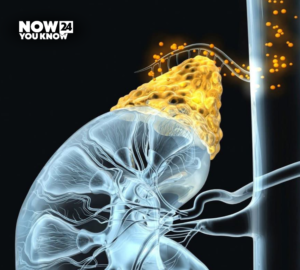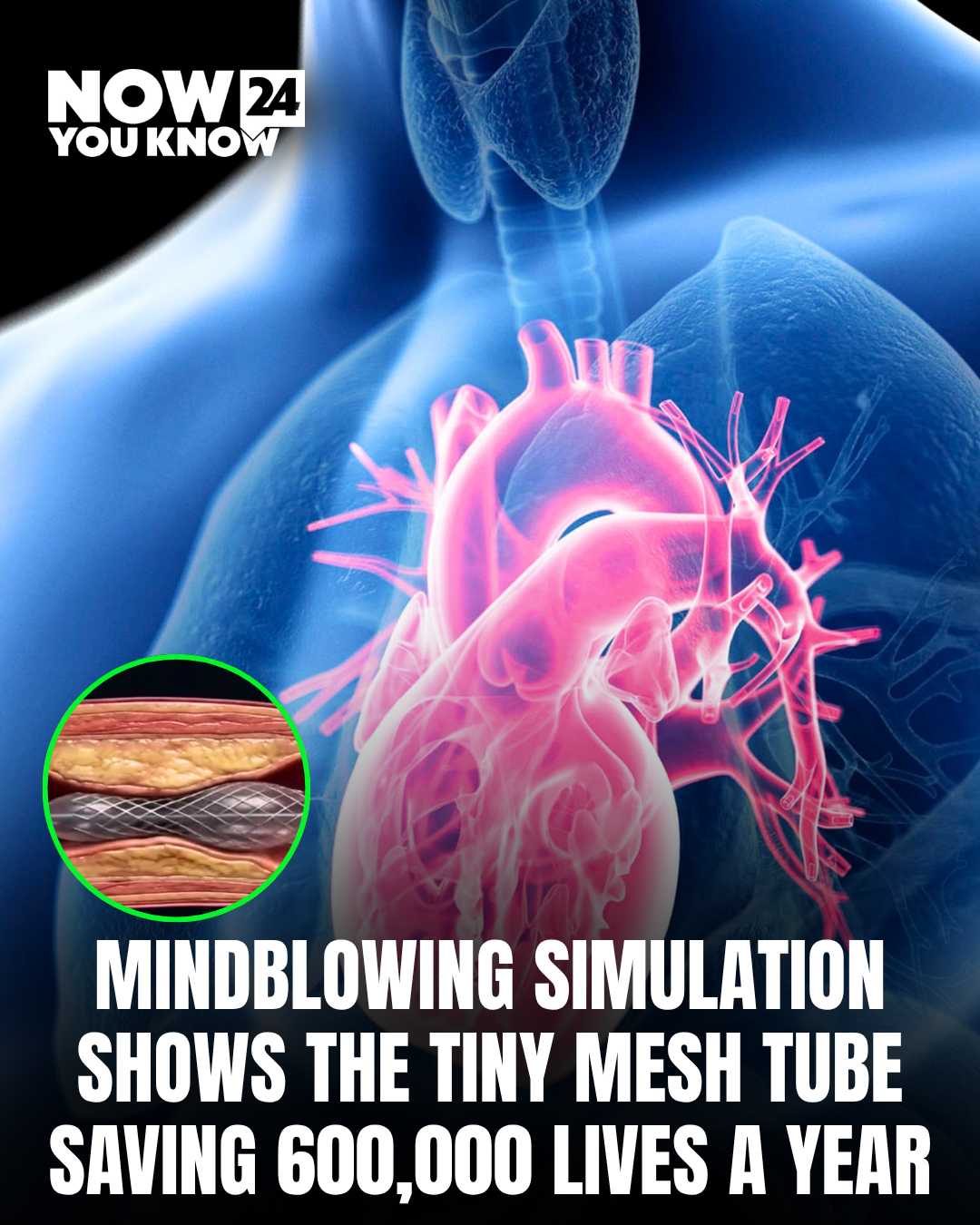

A new medical simulation video showing how a heart stent is inserted has been drawing attention online for its clear visual breakdown of a procedure that is commonly used to treat blocked arteries. The animation helps explain a process that is often discussed in medical settings but not always well understood by the public.
A stent is a small mesh-like tube that doctors place inside narrowed or blocked blood vessels to help restore normal blood flow. The procedure is most commonly used in patients with coronary artery disease, where fatty deposits restrict circulation to the heart.
What Happens Before the Procedure
Before a stent is inserted, patients typically undergo imaging tests such as an angiogram to identify the location and severity of the blockage. This allows doctors to plan the procedure with precision and select the appropriate size and type of stent.
In most cases, the patient is given local anesthesia and mild sedation. The procedure does not usually require open-heart surgery, which is one of the reasons it is widely used in modern cardiology.
Step-by-Step: How the Stent Is Inserted
The simulation video demonstrates a procedure known as percutaneous coronary intervention (PCI). A thin tube called a catheter is inserted through an artery, often in the wrist or groin, and carefully guided toward the heart.
Once the catheter reaches the blocked area, a small balloon is inflated to widen the artery. A stent is then placed at the site to help keep the artery open after the balloon is removed.
This is what saves 600,000 people year during a heart attack
byu/HatAsleep295 inBeAmazed
The stent remains in place permanently, acting as a structural support to prevent the artery from narrowing again.
How the Stent Supports Blood Flow
After placement, the stent becomes embedded in the artery wall. Over time, the body naturally grows tissue around it, which helps secure it in position. This allows blood to flow more freely to the heart muscle, reducing symptoms such as chest pain and shortness of breath.
In many cases, patients experience improved circulation almost immediately after the procedure.
Recovery and Aftercare
Recovery from stent placement is generally faster compared to traditional surgery. Patients are usually monitored for a short period in hospital and then discharged within a day or two, depending on their condition.
Doctors typically prescribe medication such as blood thinners to reduce the risk of clot formation around the stent. Lifestyle changes, including diet and exercise, are also recommended to improve long-term heart health.
Why Simulations Matter in Medical Education
Visual simulations like the one shown in the video are increasingly used in medical education and public awareness. They help simplify complex procedures and make it easier for patients to understand what is happening inside their bodies.
Experts say this kind of visual learning tool can reduce anxiety for patients preparing for procedures like stent placement and improve overall understanding of cardiovascular treatments.
Conclusion
While stent insertion is a routine and widely performed medical procedure, it remains complex in its execution. Simulations provide a valuable window into how modern cardiology works, showing how minimally invasive techniques can restore blood flow and prevent serious complications.
The growing use of visual medical content continues to bridge the gap between clinical practice and public understanding.