




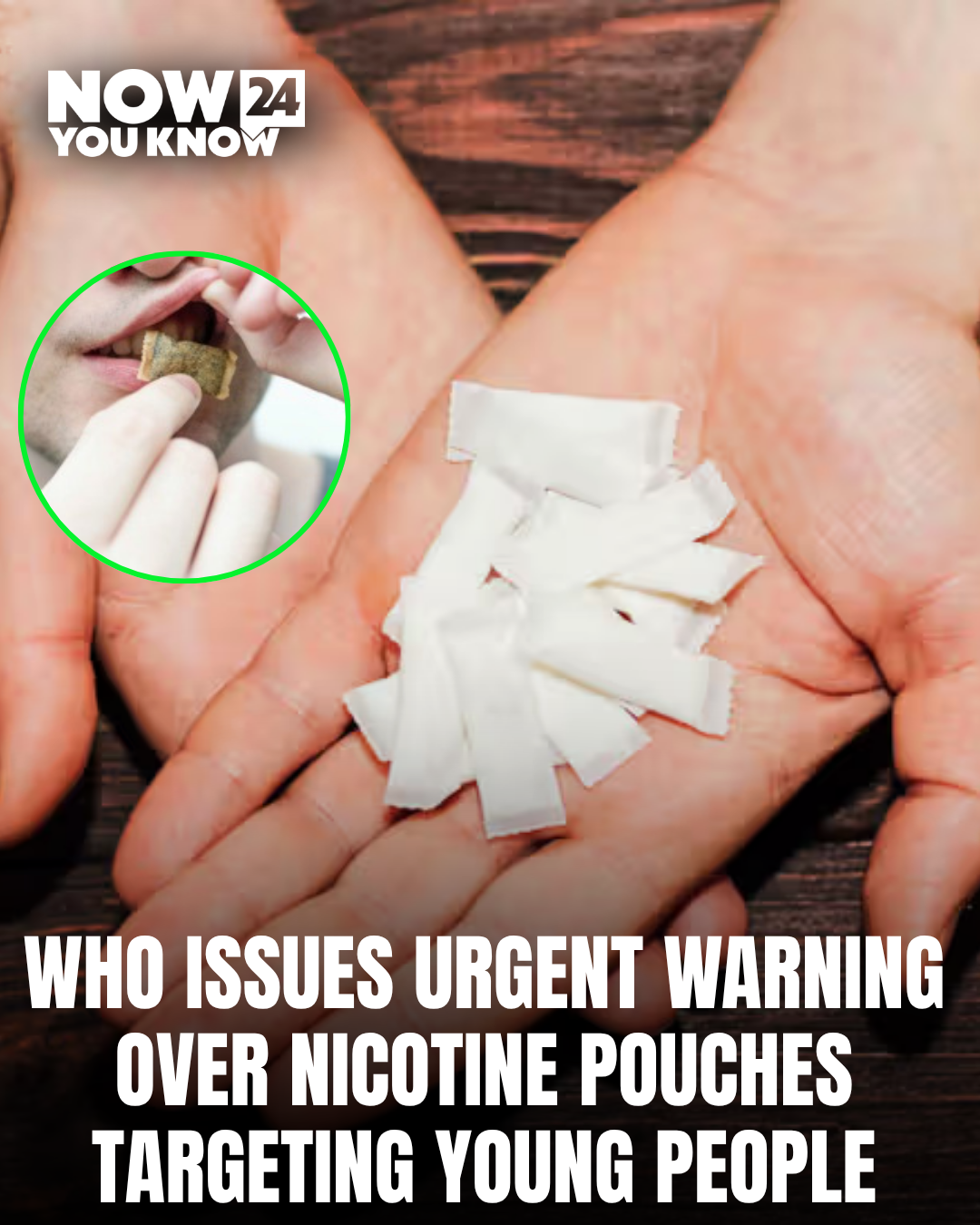

World Health Organization has issued a major warning over the rapid rise of nicotine pouch products, saying companies are increasingly targeting teenagers and young adults through social media, flavors, and influencer marketing.
The warning comes ahead of this year’s World No Tobacco Day campaign, which focuses on nicotine addiction and the methods companies use to attract younger consumers.
What Are Nicotine Pouches?
Nicotine pouches are small sachets placed between the lip and gum that release nicotine into the body without requiring smoking or vaping.
They often contain nicotine, flavorings, sweeteners, and other additives, and are sold in flavors such as bubble gum, mint, gummy bear, and fruit candy.
According to WHO, global sales of nicotine pouches surged dramatically in 2024, with more than 23 billion units reportedly sold worldwide.
Why Health Experts Are Concerned
WHO says nicotine itself is highly addictive, especially for teenagers and young adults whose brains are still developing.
Health experts warn that early nicotine exposure may affect concentration, learning, memory, and long-term brain development.
Researchers also say early nicotine use can increase the likelihood of future addiction to tobacco and other nicotine products.
Marketing Tactics Under Fire
The organization accused some companies of deliberately designing products and advertising campaigns to appeal to younger audiences.
WHO highlighted tactics including:
- Bright, candy-style packaging
- Influencer promotions on social media
- Sponsorships tied to sports and concerts
- Messaging encouraging discreet use in schools
- Lifestyle branding aimed at younger consumers
Some packaging reportedly resembles sweets or candy products, raising additional concerns for children.
Regulatory Gaps Around The World
WHO says regulation of nicotine pouches remains inconsistent globally.
According to the report, many countries still have no specific laws governing the products, while others only partially regulate sales, flavors, or advertising.
Health officials fear these gaps are allowing youth nicotine use to grow faster than governments can respond.
Calls For Tougher Restrictions
WHO is now urging governments to introduce stricter regulations on nicotine pouches and similar products.
Recommended measures include stronger age verification, flavour bans, advertising restrictions, warning labels, and taxes designed to make the products less attractive to younger users.
The organization also called for tighter oversight of social media marketing and influencer promotions.
Experts Warn Products Are “Engineered For Addiction”
Health officials stressed that nicotine pouches should not be viewed as harmless alternatives simply because they do not involve smoking.
WHO warned that some brands now sell extremely high-strength versions marketed toward experienced users, with nicotine levels reaching up to 150mg in certain products.
Experts argue that stronger products may increase the risk of rapid nicotine dependence.