
Actress Says Early Roles Shaped Public Expectations of Her
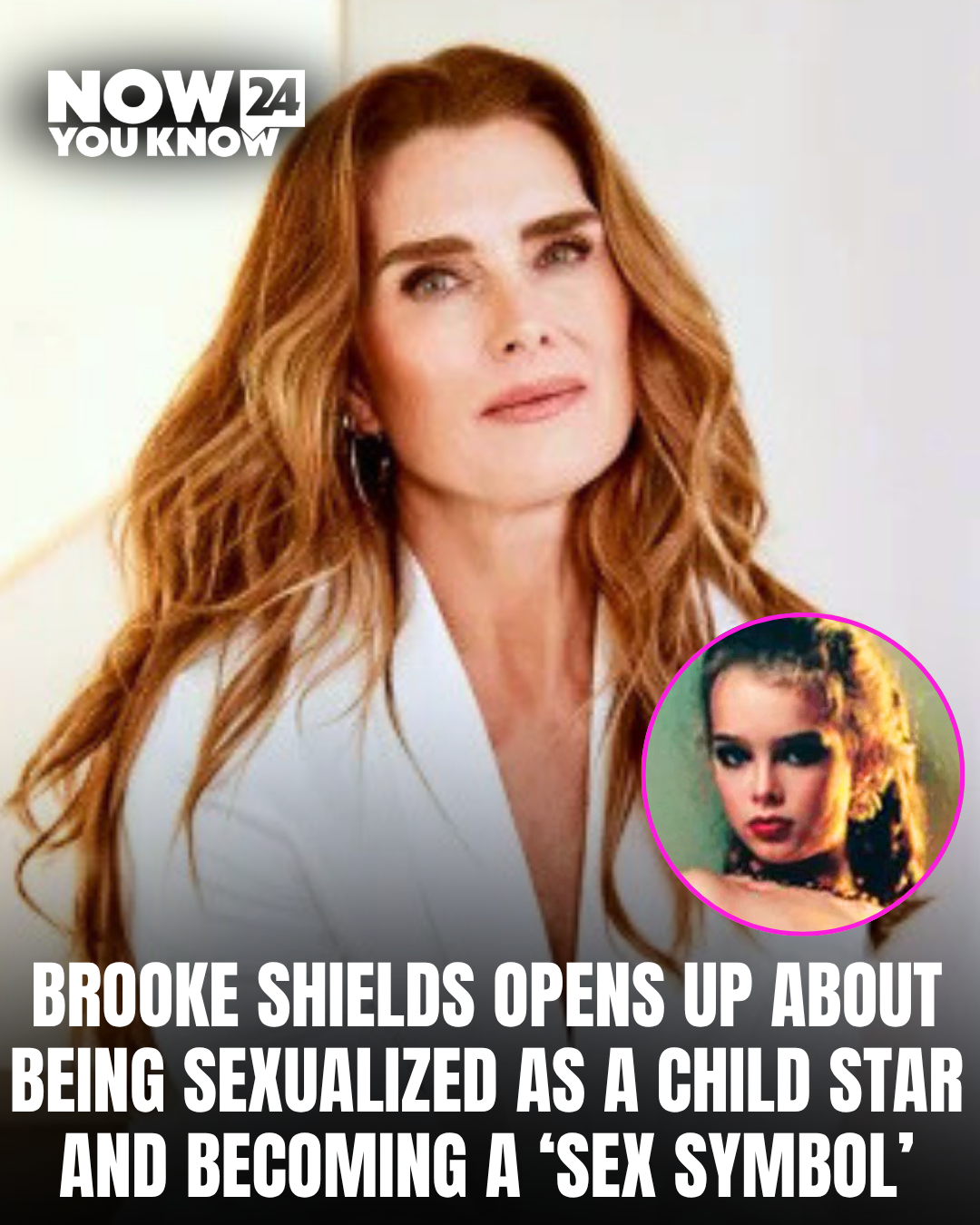
Brooke Shields is opening up about the emotional impact of becoming sexualized at a very young age after starring in controversial film roles during childhood.
Now 60, the actress reflected on how the entertainment industry and public perception shaped her identity for decades following her breakout role in Pretty Baby.
Controversial Role Still Follows Her Decades Later
Shields was only 11 years old when she appeared in Pretty Baby, a film centered around a child living in a New Orleans brothel. The movie included scenes that sparked controversy at the time and continue to draw criticism today because of the way the young actress was portrayed.
The role became a defining moment in her career and contributed to an image that followed her into adulthood.
“People Wanted Me to Be a Sex Symbol”
In a recent interview, Shields admitted she often felt trapped by the expectations placed on her after becoming famous.
She explained that audiences and industry figures frequently viewed her through the lens of being a “sex symbol,” even though she personally found greater joy in comedic performances and lighter roles.
‘Friends’ Appearance Became a Turning Point
Shields said her guest appearance on Friends in the 1990s marked a major shift in how she viewed herself as a performer.
Her comedic role as an obsessive fan of Joey Tribbiani allowed her to move away from the serious and highly sexualized image that had dominated much of her early career.
She later described the experience as freeing and said it reminded her that audiences could appreciate her for more than appearance alone.
Emotional Reflections on Her Childhood Career
In her documentary Pretty Baby: Brooke Shields, Shields became emotional while discussing decisions made during her childhood acting career, particularly by her mother and manager, Teri Shields.
The actress admitted she still struggles to fully understand why certain choices were considered acceptable at the time, especially when reflecting on them as a mother herself.
Industry Pressures on Young Stars Continue to Be Debated
Shields’ comments arrive amid ongoing conversations about how child stars were treated in past decades and the long-term effects of fame at a young age.
Entertainment historians and mental health experts have increasingly revisited older films and industry practices through a modern lens, questioning the protections that existed for young performers at the time.
Finding Her Own Voice Later in Life
Despite the challenges she faced, Shields said it took years to fully recognize the importance of her own voice and identity outside the expectations imposed on her.
She now hopes younger generations entering entertainment are given more control, protection, and support than many child stars experienced in earlier eras.