
Period cramps affect millions of women every month, and while they’re common, they don’t have to take over your life. Menstrual cramps happen when the uterus contracts to shed its lining, causing pain that may spread to your lower back, hips, or thighs. The good news is that there are several simple ways to ease the discomfort and feel better.
One of the easiest things you can do is stay hydrated. Drinking plenty of water can help reduce bloating, which often makes cramps feel worse. Warm drinks, including herbal teas like chamomile, ginger, peppermint, or raspberry leaf tea, may also help relax muscles and soothe cramping.
Your diet can make a difference too. Eating anti-inflammatory foods such as berries, leafy greens, salmon, nuts, tomatoes, turmeric, and ginger may help reduce inflammation and ease pain. At the same time, limiting sugary snacks, highly processed foods, and excess salt may help prevent additional bloating and discomfort. If you’re sensitive to caffeine, switching to decaf coffee or herbal tea during your period may also provide relief.
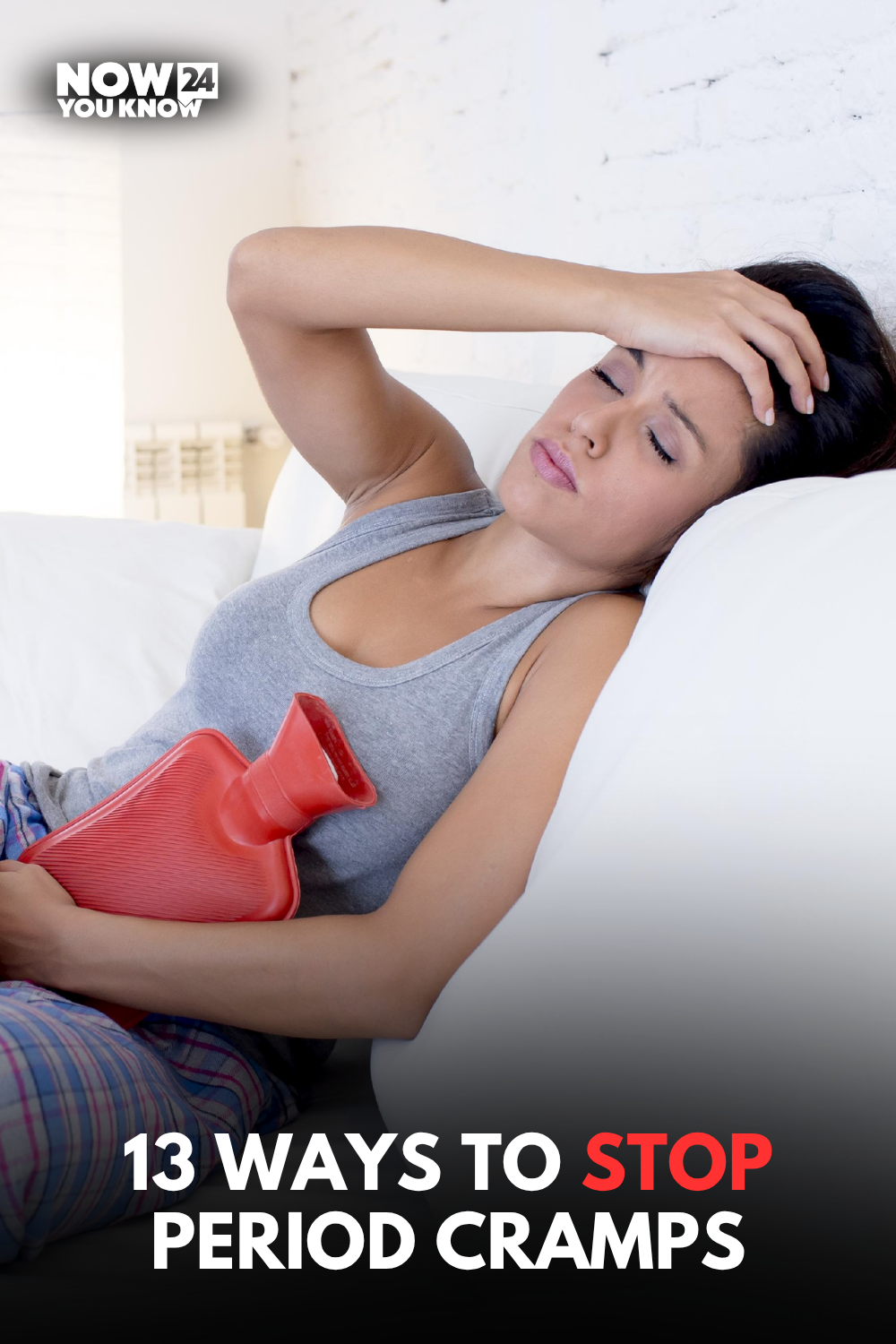
Applying heat to your lower abdomen is one of the most effective home remedies for cramps. A heating pad, warm bath, or hot shower can help relax the uterine muscles and improve blood flow. Gentle movement, such as walking, yoga, or stretching, can also release endorphins, your body’s natural pain relievers, while helping your muscles relax.
Managing stress is another important step. Deep breathing, meditation, and other relaxation techniques may help reduce both emotional stress and physical symptoms. Some women also find relief with massage therapy, acupuncture, or acupressure, although results can vary from person to person.
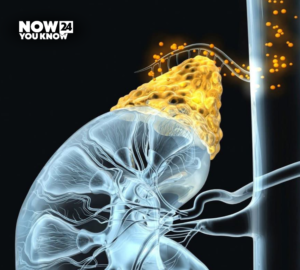
If home remedies aren’t enough, over-the-counter anti-inflammatory medications, such as ibuprofen, can help reduce the production of prostaglandins, the hormones responsible for uterine contractions. For women with ongoing or severe menstrual pain, hormonal birth control may reduce cramps by thinning the uterine lining and regulating menstrual cycles. Discussing the best option with your healthcare provider is recommended.
While mild to moderate cramping is normal, severe or worsening pain isn’t something you should ignore. Conditions such as endometriosis, uterine fibroids, adenomyosis, ovarian cysts, pelvic inflammatory disease (PID), polycystic ovary syndrome (PCOS), and premenstrual dysphoric disorder (PMDD) can all contribute to painful periods and may require medical treatment.
Bottom line: Lifestyle changes like staying hydrated, eating a healthy diet, exercising regularly, applying heat, and managing stress can make a real difference for many women. But if your period pain is severe, lasts longer than usual, or interferes with your daily activities, it’s important to speak with a healthcare professional to identify the underlying cause and find the most effective treatment.