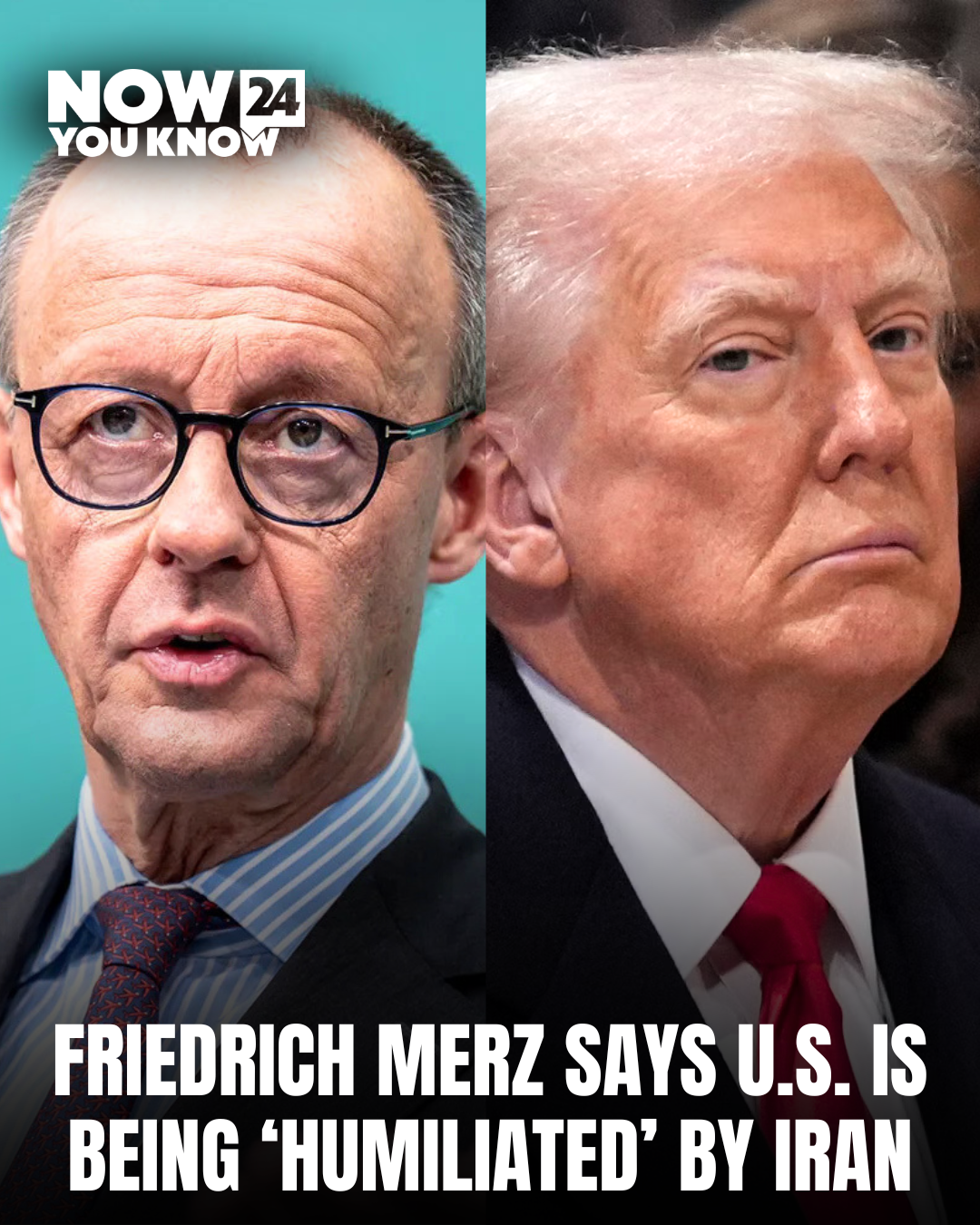

German Chancellor Friedrich Merz has claimed that the United States is being “humiliated” by Iran’s leadership, suggesting that Washington is being outmaneuvered during ongoing negotiations with Tehran.
His comments come amid stalled diplomatic efforts between the Trump administration and Iran, with recent rounds of indirect talks failing to produce any breakthrough.
According to Merz, Iran has shown strong strategic control in the negotiations, repeatedly delaying or redirecting discussions while US officials travel for meetings that end without progress.
“The Iranians are obviously very skilled at not negotiating,” Merz told students in Marsberg, adding that the situation reflects poorly on Washington’s diplomatic position.
Rising Tensions in Talks
The diplomatic process has been strained by repeated breakdowns in dialogue. A planned US delegation trip for talks in Islamabad was recently cancelled, following a previous meeting that also ended without agreement.
Former Vice President JD Vance had reportedly led earlier discussions, which likewise failed to produce concrete results.
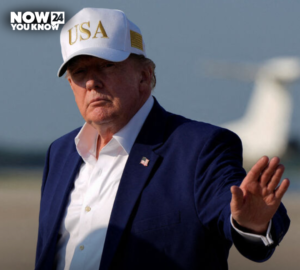
Despite setbacks, US President Donald Trump has maintained that the United States holds leverage in the negotiations.
“We have all the cards,” Trump said, suggesting that Iran would need to initiate further contact if it wanted progress.
Iran’s Counterproposal
Iranian officials have proposed a phased approach to negotiations, focusing first on the strategic Strait of Hormuz before addressing broader issues such as nuclear restrictions, missile programs, and sanctions relief.
The proposal includes introducing shipping-related charges through the strait — a move that has drawn immediate international scrutiny.
The International Maritime Organization has rejected the idea of imposing such fees, stating there is no legal basis for taxation on international shipping routes.
Economic Pressure and Strategic Moves
Iran’s economy is reportedly under significant strain, with analysts citing inflation, sanctions pressure, and disruptions to maritime trade routes as key factors.
At the same time, Tehran has continued diplomatic outreach to allies, including Russia, as it seeks to offset economic isolation and maintain trade channels.
However, analysts remain skeptical that Iran’s “Hormuz-first” strategy will lead to a breakthrough, arguing that it does not address Washington’s core demands regarding nuclear activity.
Broader Geopolitical Stakes
Experts warn that both sides are under pressure — Iran from economic hardship and internal political forces, and the US from domestic economic concerns and geopolitical risks.
Some analysts suggest that any potential deal would likely involve trade-offs, including partial concessions and temporary stabilization measures rather than a comprehensive agreement.
Meanwhile, regional tensions continue to rise, with Israel and Iran-linked groups remaining on alert amid broader instability across the Middle East.