




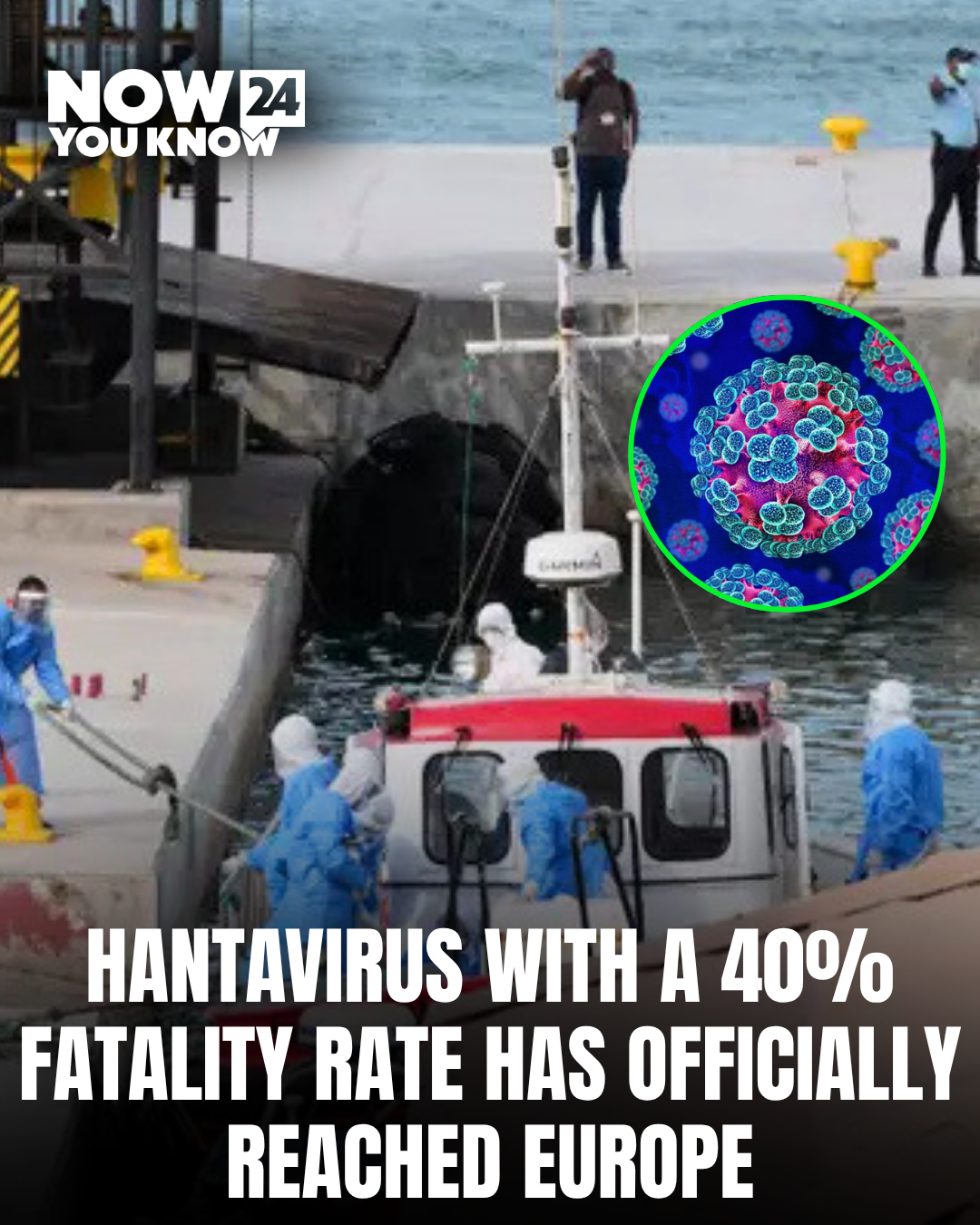

Health officials are raising concerns after a deadly outbreak of Hantavirus linked to a cruise ship has now reached Europe.
An eighth confirmed case has been reported in Switzerland, following a series of infections connected to the expedition vessel MV Hondius.
New Case Confirmed in Europe
A former passenger, who had recently returned from South America, checked himself into University Hospital Zurich after developing symptoms.
He is currently in quarantine and receiving treatment, while his wife—who traveled with him—is self-isolating despite showing no symptoms.
Swiss health authorities say the overall risk to the public remains low, but contact tracing efforts are now underway.
Outbreak Linked to Multiple Deaths
The outbreak has already been linked to three deaths and several additional infections among passengers and crew.
The World Health Organization is now working to track down more than 80 passengers and crew members who may have been exposed—some of whom shared a flight with an infected traveler.
Meanwhile, around 150 people remain stranded aboard the ship after multiple ports refused it permission to dock.
Why Experts Are Concerned
What makes this situation particularly alarming is the suspected involvement of the Andes strain of hantavirus—a rare variant capable of spreading between humans.
Unlike most forms of the virus, which are typically transmitted through contact with rodent droppings or urine, this strain can spread through close human contact in rare cases.
Health experts estimate a fatality rate of 20% to 40%, with some cases reaching as high as 50%.
Can It Spread Further?
Despite the worrying headlines, experts say widespread transmission is unlikely.
Professor Andrew Pollard of the Oxford Vaccine Group explained that human-to-human spread is rare and usually requires close contact with someone already showing symptoms.
This makes it far easier to contain compared to viruses like COVID-19.
Symptoms to Watch For
Hantavirus infections can take up to eight weeks to show symptoms, making early detection challenging.
Early symptoms include:
- Fatigue
- Fever
- Muscle aches
- Headaches
- Nausea and vomiting
- Dizziness and chills
Severe symptoms may include:
- Coughing and shortness of breath
- Chest tightness
- Internal bleeding
- Kidney failure
What Happens Next
Health authorities across multiple countries are now coordinating efforts to monitor passengers, trace contacts, and prevent further spread.
For now, officials stress that the overall public risk remains low—but the situation is being closely watched.