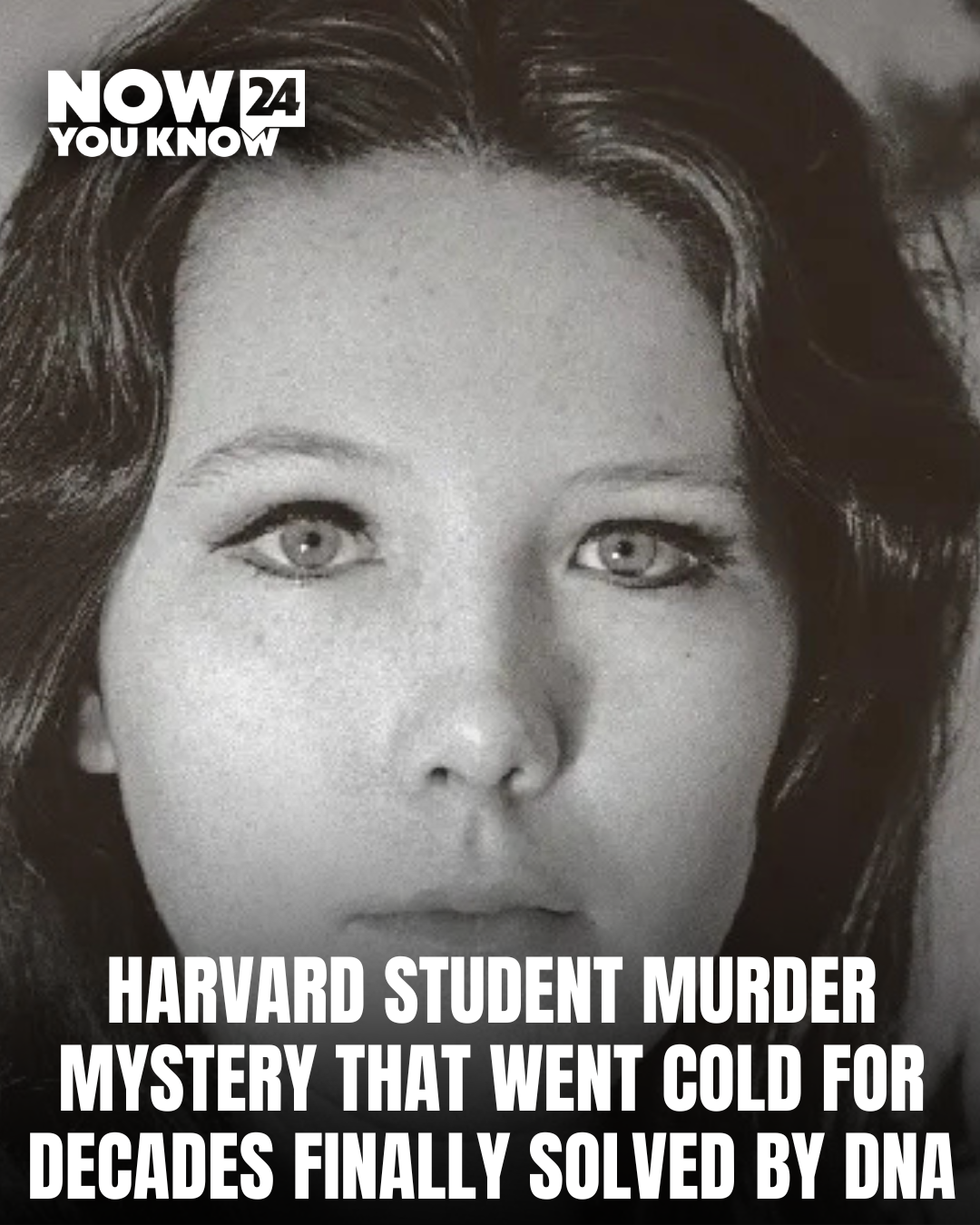

The 1969 murder of a Harvard graduate student baffled investigators for nearly half a century — a case marked by unanswered questions, no clear suspect, and evidence that seemed to defy explanation.
Jane Britton, a 23-year-old anthropology graduate student, was found dead in her Cambridge, Massachusetts apartment on January 7, 1969, after failing to show up for an exam earlier that day.
What initially appeared to be an isolated and unexplained killing would become one of the university’s most enduring cold cases — until modern DNA technology finally brought answers decades later.
A Promising Student, a Sudden Disappearance
Britton was described as a bright and dedicated student working within Harvard’s anthropology department. When she missed an important exam, concern quickly grew among peers and faculty.
Later that day, she was discovered inside her apartment — dead under circumstances that immediately raised alarm.
Investigators noted there were no signs of forced entry, and nothing appeared to have been stolen, ruling out a typical burglary scenario.
A Bizarre Crime Scene
One of the most unusual details in the case was that Britton’s body had been dusted with red ochre, a pigment often associated with ancient burial rituals studied in archaeology.
Given her academic focus in anthropology, this detail deepened the mystery rather than clarifying it.
Despite extensive investigation at the time, authorities were unable to identify a suspect or determine a clear motive. The case eventually went cold, leaving decades of speculation in its wake.
Decades Later, DNA Technology Changes Everything
For nearly 50 years, the murder remained unsolved — until advances in forensic DNA analysis allowed investigators to re-examine evidence collected from the original crime scene.
Modern testing eventually identified a suspect, bringing long-awaited resolution to a case that had haunted investigators and colleagues for decades.
The breakthrough highlighted how scientific advancements can reopen even the most seemingly unsolvable cold cases.
A Mystery That Endured for Half a Century
At the time of her death, Britton’s murder made little sense:
- No forced entry
- No stolen items
- No clear motive
- A symbolic substance placed on the victim
For decades, the case remained a chilling example of how limited forensic tools once were — and how easily critical evidence could remain unreadable until technology caught up.
Legacy of the Case
Britton’s murder is now often referenced in discussions about cold case investigations and the evolution of DNA forensic science.
What once seemed like a permanent mystery ultimately became a landmark example of how science can reshape justice — even decades later.