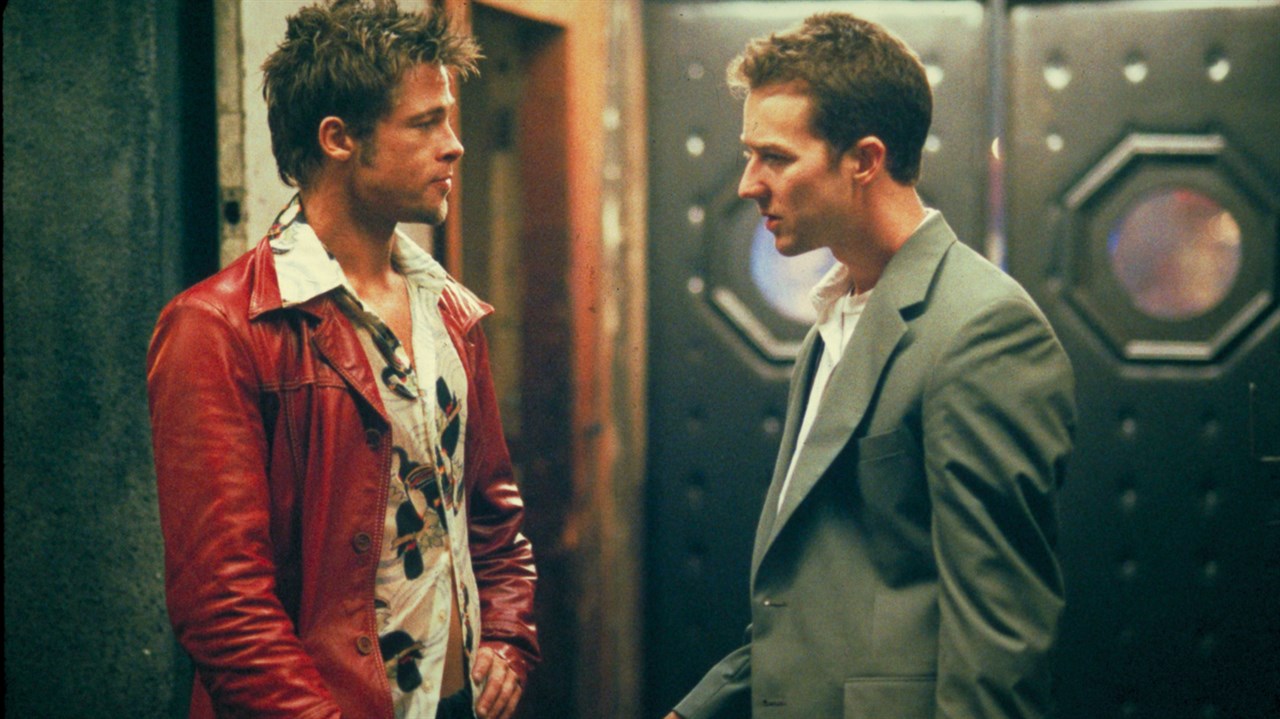

The explosive finale of David Fincher’s 1999 cult classic ‘Fight Club’ contains a hidden detail that served as a studio executive’s farewell gesture to media mogul Rupert Murdoch. Bill Mechanic, who headed 20th Century Fox when the film was produced, recently disclosed that he specifically requested director David Fincher include Fox Plaza Tower among the buildings destroyed in the movie’s climactic scene.
This revelation sheds new light on the turbulent production history of what would become one of cinema’s most influential films of the late 1990s. The movie, starring Brad Pitt and Edward Norton, follows an unnamed narrator who creates an imaginary alter ego named Tyler Durden. Together, they establish an underground fighting club that evolves into a anti-consumerist terrorist organization called Project Mayhem.
The film’s journey from production to release was fraught with controversy. Its themes of violence, social disorder, and sharp criticism of consumer culture made it a challenging project for a major studio. The timing proved particularly problematic when the Columbine High School shooting occurred months before the film’s October 1999 release, forcing the marketing team to navigate an increasingly sensitive cultural landscape.
Mechanic, who championed the project despite internal resistance, found himself at odds with Murdoch over the film’s content and approach. According to Mechanic, Murdoch preferred entertainment that aligned with the sensibilities of tabloid journalism, particularly the gossip columns of his own New York Post. The executive characterized his boss as someone who didn’t believe movies should challenge audiences.
The confrontation between the two men reached its peak during a meeting just weeks before the film’s premiere. Mechanic recalls Murdoch launching into a fierce critique, reportedly asking what kind of person would create such a film. Mechanic’s defiant response—that both he and Fincher stood behind their work—marked a turning point in his relationship with the media magnate.
Sensing his tenure at Fox was coming to an end, Mechanic made an unusual request during discussions about the film’s ending sequence. In the finale, after the narrator shoots himself to eliminate his Tyler Durden persona, viewers witness the destruction of multiple skyscrapers housing credit card companies—Project Mayhem’s ultimate act to erase debt records and reset society.
Mechanic asked Fincher to ensure Fox Plaza Tower, the studio’s iconic Los Angeles headquarters, would be visible among the exploding buildings. While many observers at the time assumed this was Fincher’s artistic choice—a filmmaker’s rebellion against studio interference—Mechanic now confirms it was his own idea, describing it as his personal tribute to Murdoch.
The film’s initial theatrical performance fell short of expectations, earning approximately $37 million domestically against a $63 million budget. Combined with other commercial disappointments, this led to Mechanic’s departure from Fox in 2000, roughly a year after Fight Club’s release.
Despite its initial reception, Fight Club has since achieved remarkable cultural significance. The film gained a massive following through home video releases and has become recognized as a prescient commentary on masculinity, consumer culture, and social alienation. Its influence extends far beyond cinema, inspiring countless discussions about its themes and memorable quotes that have entered popular culture.
Mechanic’s post-Fox career has included notable successes. He produced the acclaimed 2009 stop-motion animated film ‘Coraline’ and earned an Academy Award nomination for Best Picture as a producer on Mel Gibson’s 2016 war drama ‘Hacksaw Ridge.’
Reflecting on his Fox tenure, Mechanic maintains he helped bring unconventional projects to life that might never have been made otherwise, though he acknowledges there was a professional price for these creative choices. Of all his projects, Fight Club remains the film he’s asked about most frequently, which he describes as one of his best professional experiences despite the controversy it generated.
The timing of this revelation coincides with Fight Club’s 25th anniversary celebration, including a one-night theatrical re-release in 4K format and new home video editions. The film’s enduring legacy and continued relevance to contemporary discussions about society, masculinity, and corporate power demonstrate that sometimes the most challenging films become the most important ones.