

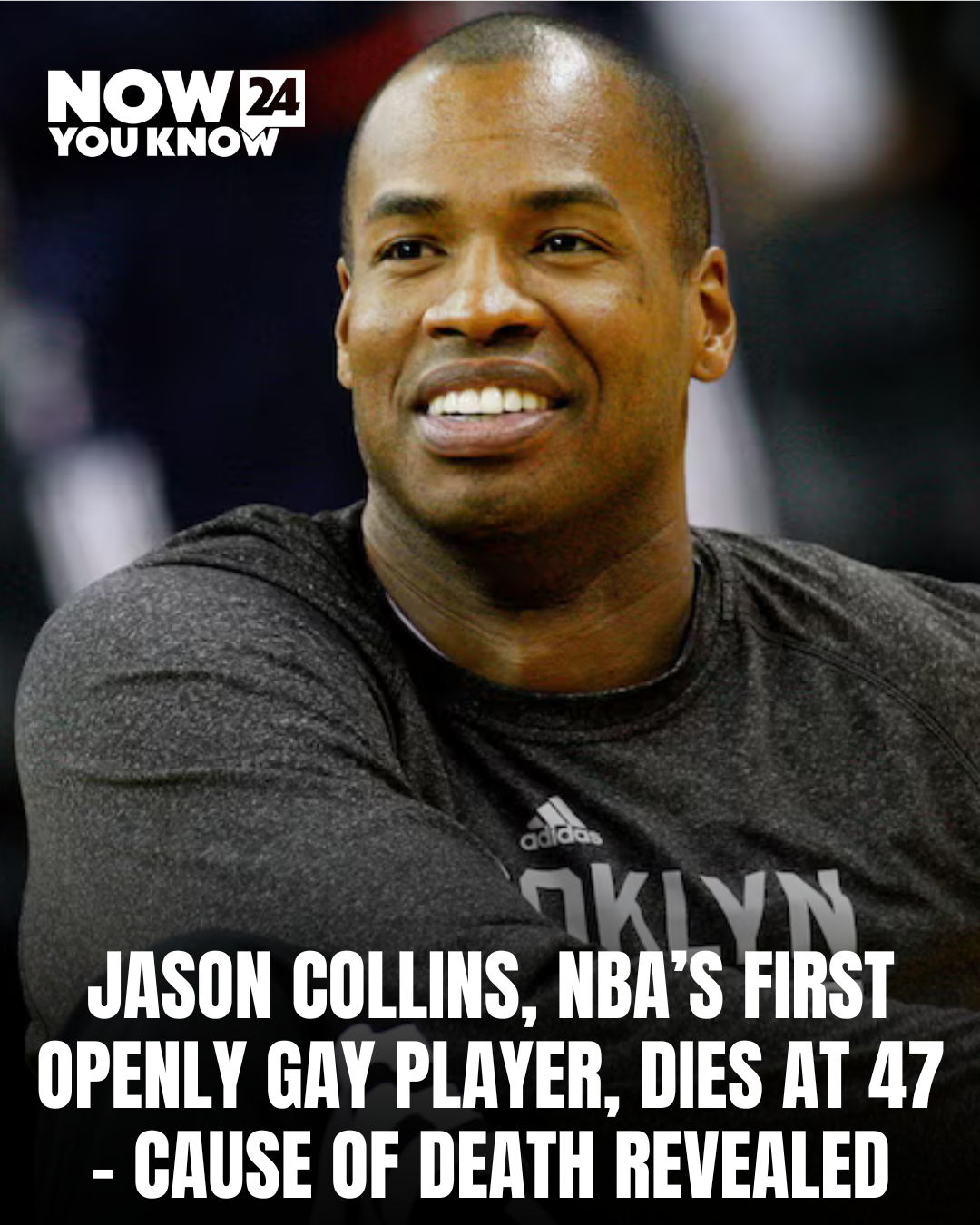

Former NBA center Jason Collins has died at the age of 47 following a battle with glioblastoma, an aggressive form of brain cancer, his family confirmed through the NBA. ()
Collins made history in 2013 when he became the first openly gay active player across the four major American professional sports leagues, a moment widely seen as groundbreaking for both basketball and LGBTQ+ representation in sports.
NBA and Former Teammates Pay Tribute
NBA Commissioner Adam Silver described Collins as someone whose impact “extended far beyond basketball,” praising his courage, kindness, and role in helping make sports more inclusive. ()
Tributes also poured in from former teammates and organizations across the league, including the Brooklyn Nets, where Collins spent some of the most important years of his career.
Former teammate and current Dallas Mavericks coach Jason Kidd called Collins “a pioneer” and praised the courage he showed throughout his life and career.
“This one hurts,” Kidd wrote in an emotional social media tribute.
Collins Opened Up About His Diagnosis Last Year
Collins publicly revealed in late 2025 that he had been diagnosed with glioblastoma after experiencing problems with concentration and focus. ()
He described the tumor as spreading across his brain “the width of a baseball” and said doctors warned him the condition was extremely serious.
Despite the diagnosis, Collins continued speaking publicly about authenticity, resilience, and living openly, comparing the experience to the moment he came out publicly more than a decade earlier.
A Career That Changed More Than Basketball
The California native played 13 seasons in the NBA for teams including the Nets, Celtics, Hawks, Wizards, Grizzlies, and Timberwolves.
Although known primarily as a defensive role player, Collins’ legacy ultimately grew far beyond his on-court statistics.
His 2013 Sports Illustrated essay announcing he was gay became one of the most significant moments in modern sports history and inspired athletes across multiple leagues to speak openly about their identities.
President Barack Obama, NBA stars, and major sports organizations publicly supported Collins at the time, helping shift conversations around inclusion in professional sports. ()
Family Shares Emotional Statement
In a statement released Tuesday, Collins’ family said he “changed lives in unexpected ways” and thanked supporters for the love shown during his illness. ()
The basketball world has continued mourning the loss of a player remembered not only for breaking barriers, but also for his compassion, leadership, and authenticity away from the court.