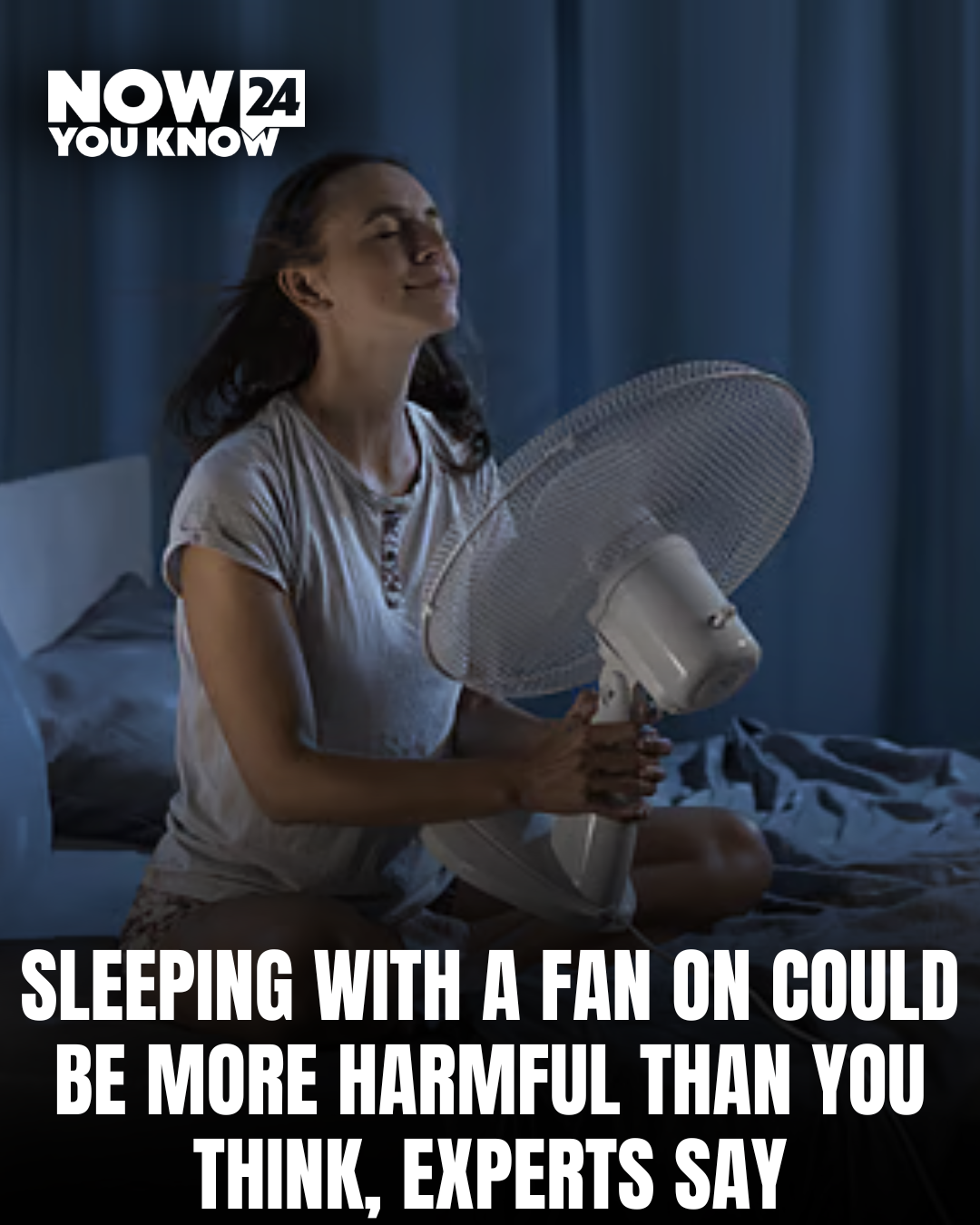

A Common Summer Habit Under Scrutiny
As temperatures rise, many people rely on fans to stay cool at night. While fans are a common household solution for heat, sleep experts say there may be some downsides to using them while sleeping.
Comfort vs Air Quality
Fans are widely used because they circulate air and create a cooling effect. However, experts note that this same circulation can also move dust, pollen, and other particles around the room.
For individuals with allergies, asthma, or hay fever, this may worsen symptoms during the night.
Dry Air and Irritation Concerns
According to sleep specialists, constant airflow directed at the body can dry out the skin, eyes, and even the mouth. This may lead to discomfort, especially during long periods of sleep.
Some people also report waking up with irritation in the nose or throat after sleeping with a fan on.
Possible Muscle Stiffness
Experts also warn that continuous exposure to direct airflow may contribute to muscle stiffness. This can result in waking up feeling sore or tense, particularly in the neck and shoulders.

While not dangerous for everyone, it may affect sleep quality in some individuals.
The Role of Room Temperature
Despite these concerns, fans remain a popular choice because sleeping in hot, humid conditions can also negatively affect rest. A lack of airflow can make it difficult for the body to regulate temperature during sleep.
This leaves many people balancing comfort against potential side effects.
Safer Cooling Alternatives
Sleep experts suggest simple alternatives for those looking to reduce heat without direct airflow. One commonly shared method involves placing frozen water bottles in front of a fan to create a cooler breeze without constant direct exposure.
Other suggestions include improving room ventilation or using timed fan settings rather than running them continuously.
Not a One-Size-Fits-All Issue
Experts emphasize that the effects of sleeping with a fan vary from person to person. For many, it remains a practical and affordable way to stay cool during warmer months.
The key consideration is how the body responds to prolonged airflow and whether it affects sleep quality or comfort.
Finding the Right Balance
While fans are unlikely to pose serious risks for most people, experts recommend being mindful of how they are used. Adjusting placement, speed, and duration may help reduce any potential discomfort while still providing cooling relief.