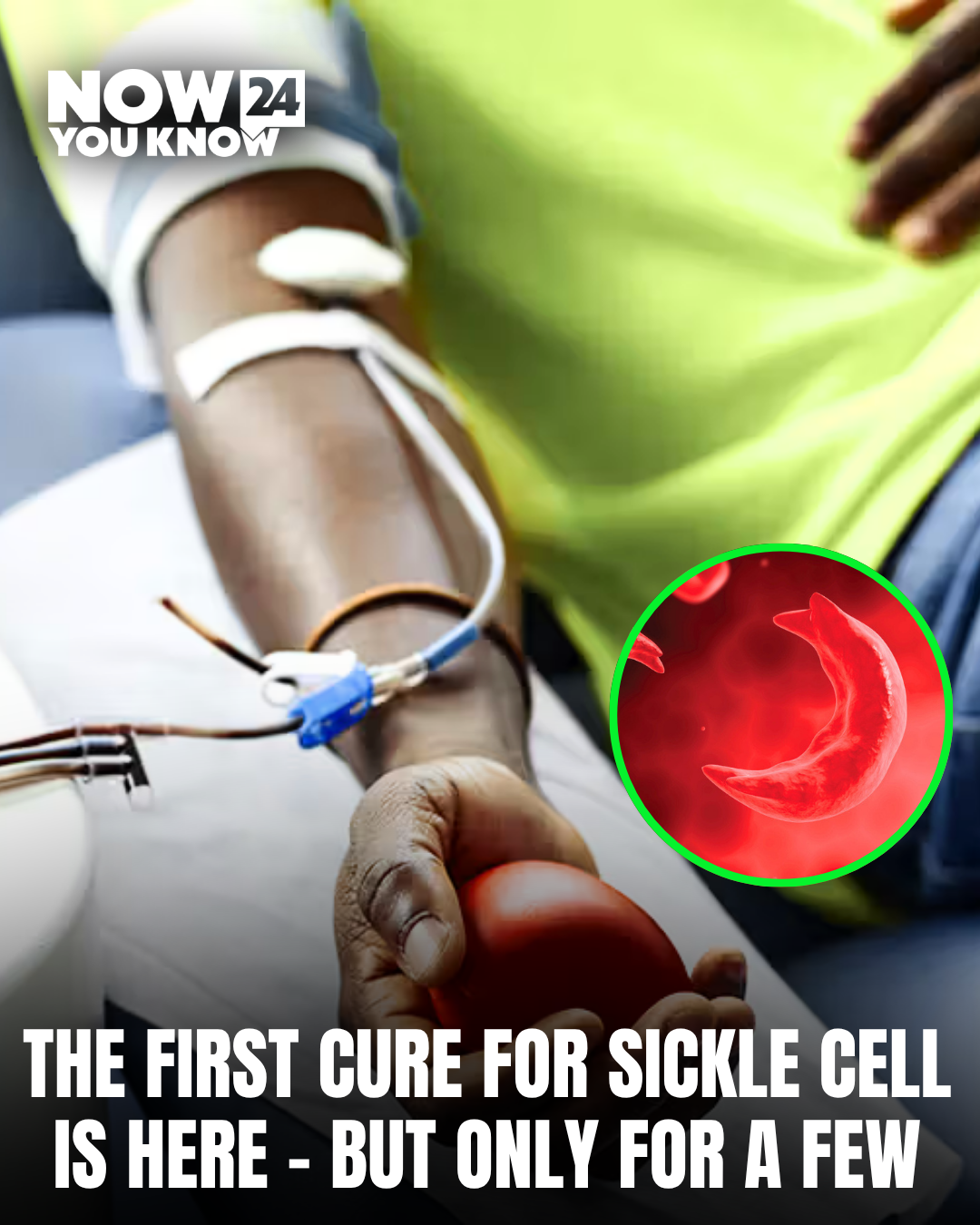

A quiet shift in medicine is underway, offering new hope to people living with Sickle cell disease — but also exposing deep global inequalities.
Two New Gene Therapies Approved
Scientists have developed two groundbreaking treatments that target the disease at its genetic root.
Lyfgenia works by inserting a corrected version of the gene responsible for the condition. Meanwhile, Casgevy uses CRISPR to modify a patient’s own DNA, switching on the body’s ability to produce healthier blood cells.
Different approaches, but both aim for the same outcome: long-term relief or even a cure.
A Medical Milestone
The approval of these therapies marks a major step forward. Casgevy, in particular, is the first treatment of its kind using CRISPR technology to be approved, signaling a new era in genetic medicine.
For patients who have endured lifelong pain, hospitalizations, and complications, the promise is life-changing.
The Cost Barrier
However, access remains a major challenge. Each treatment is priced at around $3.1 million.
This creates a stark contrast, as the majority of people affected by sickle cell disease live in regions such as Sub-Saharan Africa, the Caribbean, and parts of South Asia — areas where such costs are far beyond reach.
A Global Inequality
The situation highlights a broader issue in healthcare: the communities most affected by certain diseases are often the least able to access cutting-edge treatments.
While the science is advancing rapidly, distribution and affordability remain unresolved.
Efforts to Expand Access
Researchers are now working on new methods to simplify treatment. One promising direction involves delivering gene therapy directly inside the body, eliminating the need for complex procedures like chemotherapy or cell extraction.
Organizations like the Bill & Melinda Gates Foundation have invested millions into making these solutions more scalable and accessible.
Looking Ahead
If these efforts succeed, gene therapy could become more practical and available worldwide — potentially transforming how sickle cell disease is treated on a global scale.
A Human Story Behind the Science
Behind every medical breakthrough are real lives shaped by the disease. For some patients, these advancements come too late.
But for many others, they represent something that once seemed impossible: a future without pain.