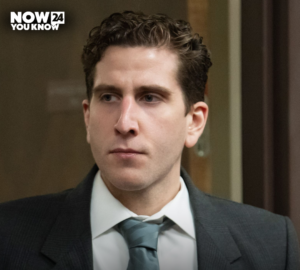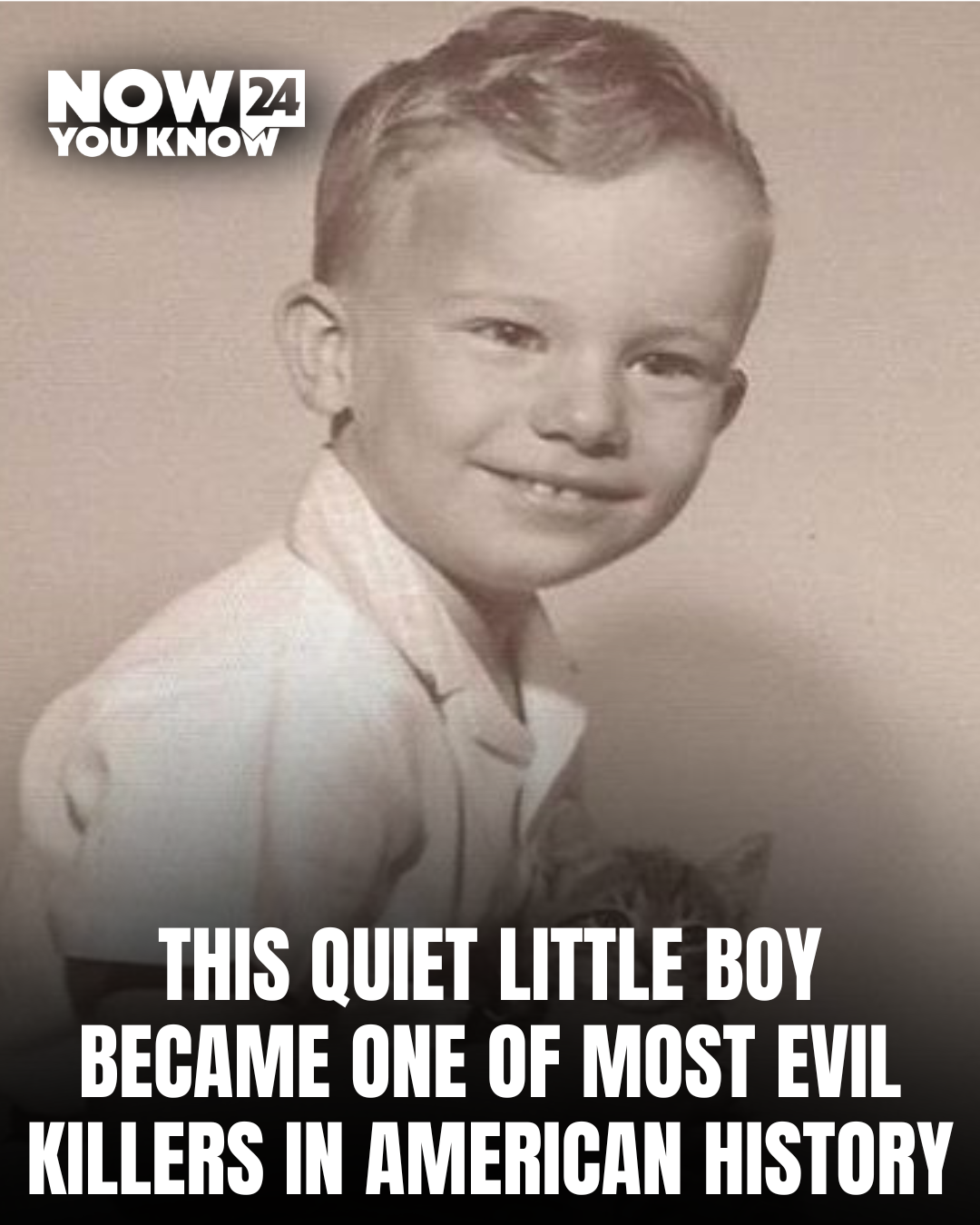

The origins of one of the world’s most terrifying figures began in Milwaukee, Wisconsin, in 1960. Born to a chemistry student and a teletype instructor, the boy was initially described as an energetic and happy child. However, a significant shift occurred following a double hernia surgery at age four, after which he became notably withdrawn and subdued.
This childhood change coincided with a deeply unstable home environment. His mother struggled with severe depression, while his father was often absent due to academic demands. Teachers at the time noted his quiet demeanor and signs of emotional abandonment, suggesting that the foundations of his later isolation were being laid during these formative elementary school years.
A Concerning Obsession with Remains
By the time the family relocated to Ohio, the boy’s interests took a macabre turn. What his father initially mistook for scientific curiosity was actually a growing obsession with animal carcasses and skeletal remains. He began collecting roadkill and preserving insects in formaldehyde, spending hours in a woodland hut focused on the anatomy of the dead.
His father actually encouraged these interests by teaching him how to bleach and preserve bones. This technical knowledge provided the young boy with the tools he needed to refine his grisly hobby. By age 15, his behavior escalated from simple collection to the mutilation of a dog, marking a clear departure from standard childhood curiosity.
The Breakdown of the Family Unit
The tension between his parents eventually led to a bitter divorce that left the teenager largely unsupervised. During high school, he turned to heavy alcohol consumption to cope with his inner turmoil, frequently drinking during class. By the time he graduated in 1978, his mother had moved away with his brother, leaving the eighteen year old alone in the family home.
It was in this state of total isolation, just weeks after graduation, that he committed his first murder. This act initiated a thirteen year period of unimaginable crimes. His transition from a troubled teenager to a predator remains a dark study in how environmental factors and psychological shifts can converge to create a monster.
The Night the Secrets Were Revealed
The reign of terror ended on July 22, 1991, due to the bravery of Tracy Edwards. After being lured to an apartment, Edwards managed to escape a pair of handcuffs and flagged down two police officers. When the authorities entered the residence, they discovered a scene of absolute horror, including photographs of victims and human remains stored in the kitchen.
Upon his arrest, the suspect confessed to the murder of 17 young men and boys. His criminal record detailed a gruesome pattern of necrophilia and cannibalism that spanned over a decade. In 1992, he was sentenced to 15 consecutive life terms, totaling 941 years in prison, ensuring he would never see freedom again.
His Legacy
The world finally learned the name of the quiet boy from Milwaukee: Jeffrey Dahmer. Known thereafter as the “Milwaukee Cannibal,” his case remains one of the most studied in criminal history. Despite his life sentence, his time behind bars was short. In 1994, he was beaten to death by a fellow inmate at the Columbia Correctional Institution.
This case serves as a haunting reminder of the importance of early psychological intervention. Understanding the specific “pivot points” in a child’s life, such as the personality shift after surgery or the escalation of animal mutilation, is vital for modern behavioral science. His story continues to be a focal point for true crime documentaries and psychological research.